Disaster response

Respond quickly. Rebuild safely. Prepare for what comes next.

CuteFela’s Disaster Response initiative connects immediate relief with reconstruction, rehabilitation and long-term community resilience in Sri Lanka.

Aiding Human Life and Protection Initiative

One response, built across three connected stages.

Urgent help, careful recovery and practical preparedness answer different needs. Together they create a clearer path from crisis toward safer daily life.

01

Emergency relief

Essential supplies, safe access and coordinated first response help stabilise immediate needs.

02

Recovery

Reconstruction and rehabilitation restore services, livelihoods and safer routines.

03

Resilience

Risk awareness, planning and early action reduce vulnerability before the next emergency.

01 Emergency relief aid

Reach people safely. Understand what is changing.

Effective relief begins with access, local information and coordination. Floods, fire and damaged infrastructure can change the safest route and the most urgent need from one hour to the next.
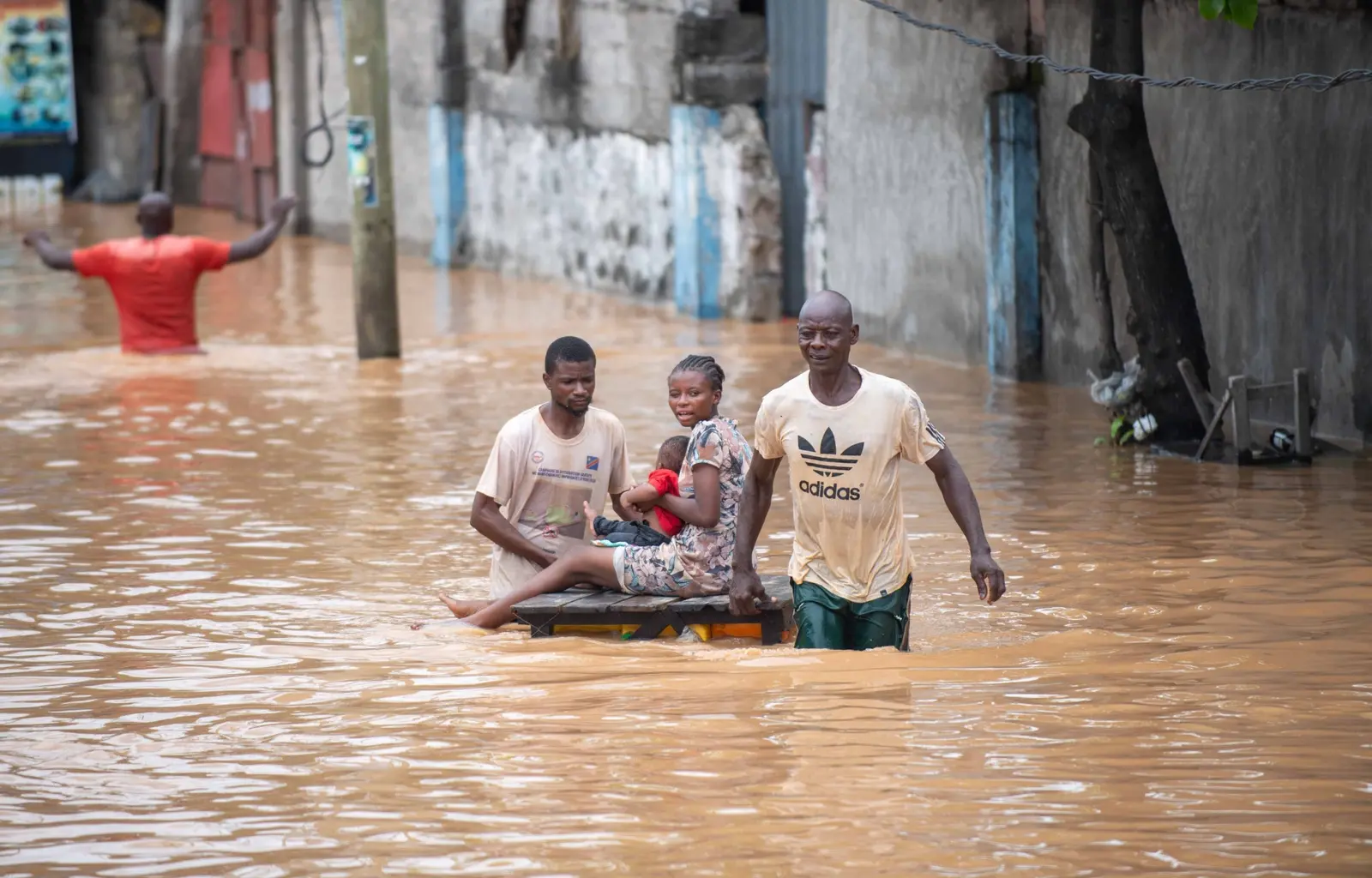
People carrying a child through deep floodwater
Life safety Moving people away from immediate danger comes first.
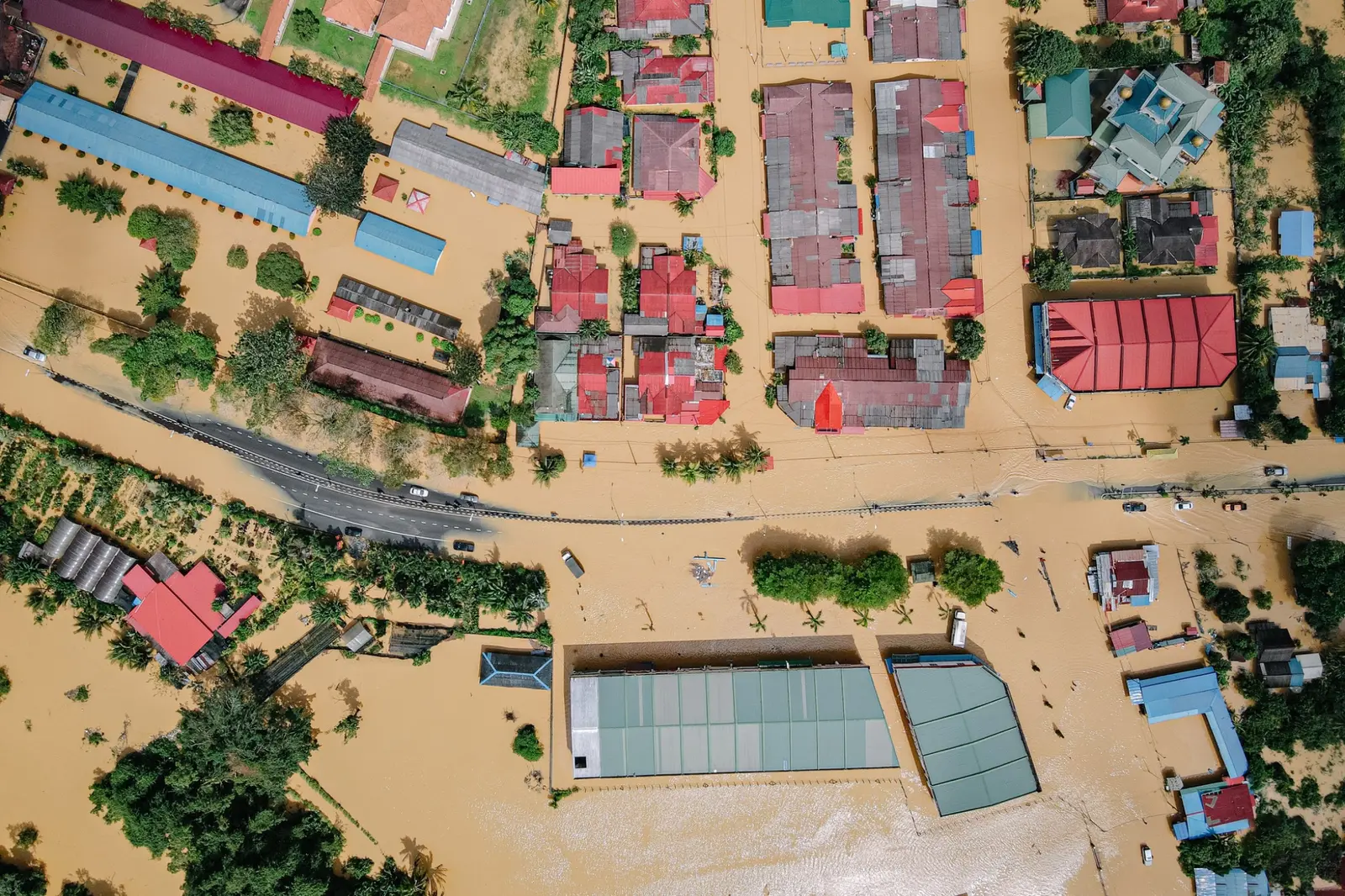
Floodwater covering streets in a dense neighbourhood
Access Aerial context can reveal isolated routes and affected homes.
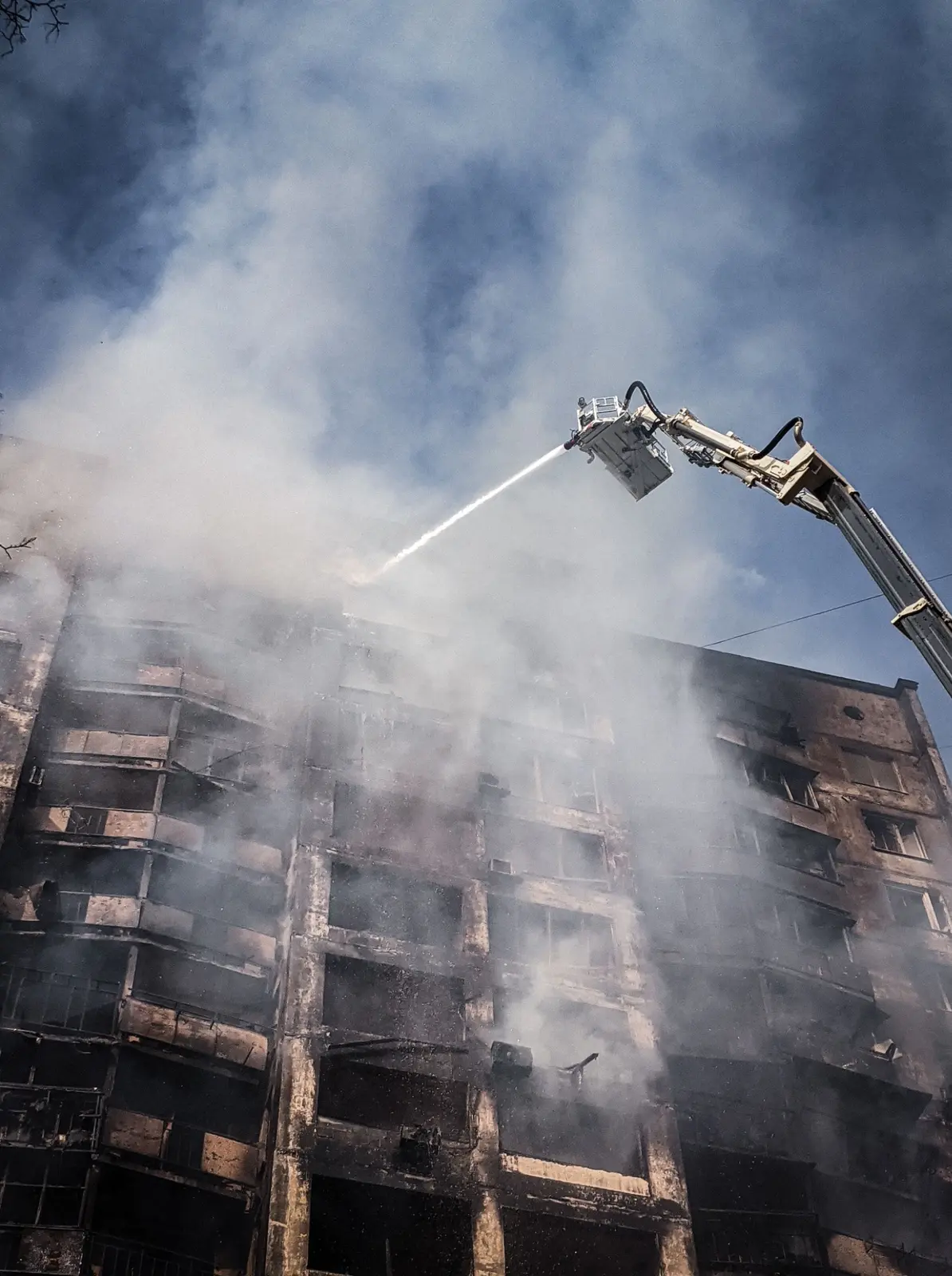
Firefighter directing water toward a smoke-filled building
Coordination Specialist teams need clear roles, access and reliable support.
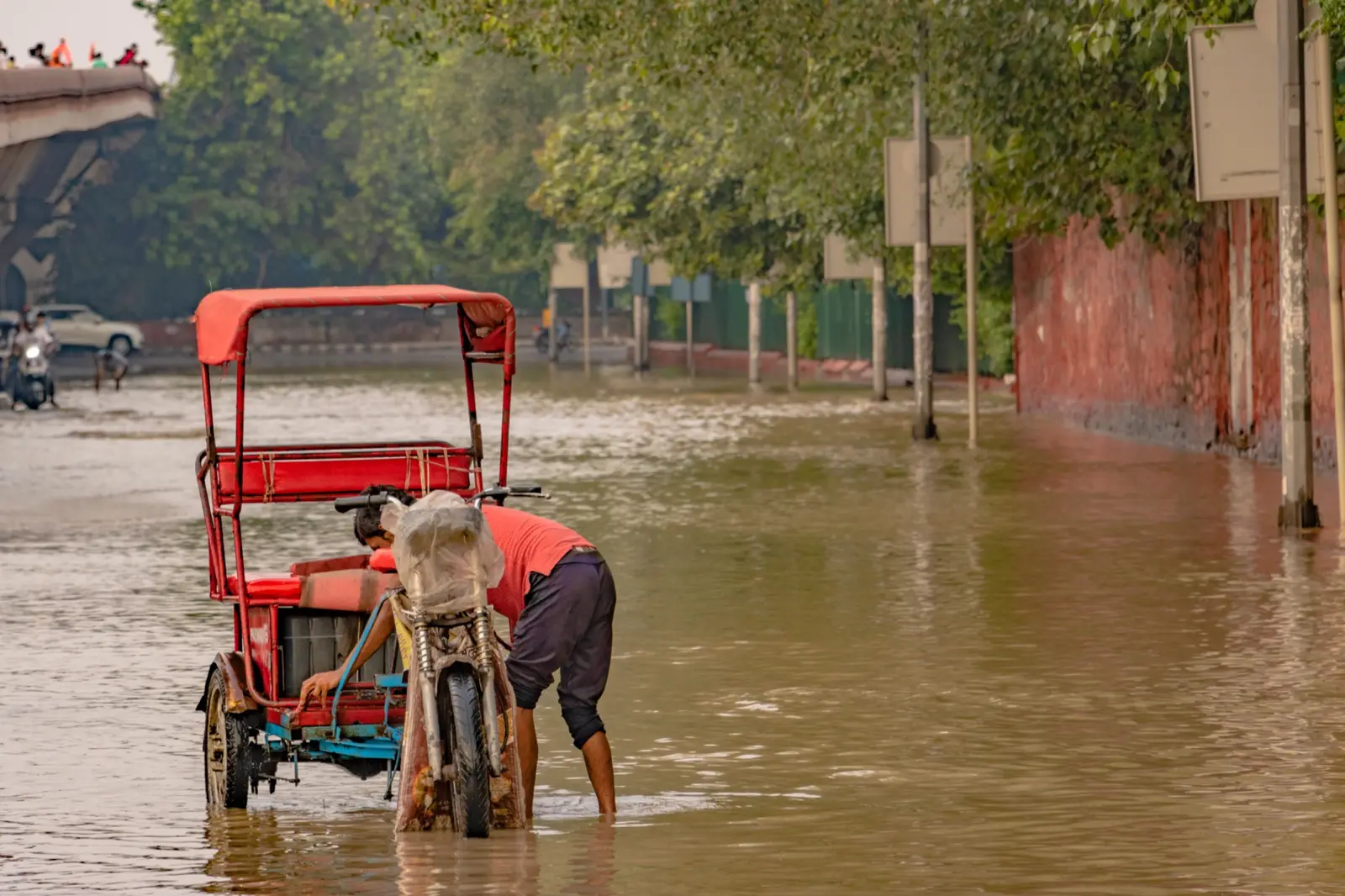
A three-wheeler travelling through a flooded street
Local conditions Water depth and road safety shape every movement decision.
02 Reconstruction and rehabilitation

Recovery is more than replacing what was lost.

Safe recovery restores essential services while helping people regain stable routines and livelihoods. It should also identify where rebuilding differently can reduce the next impact.

The work can include debris clearance, temporary facilities, repairs, land restoration and practical livelihood support.
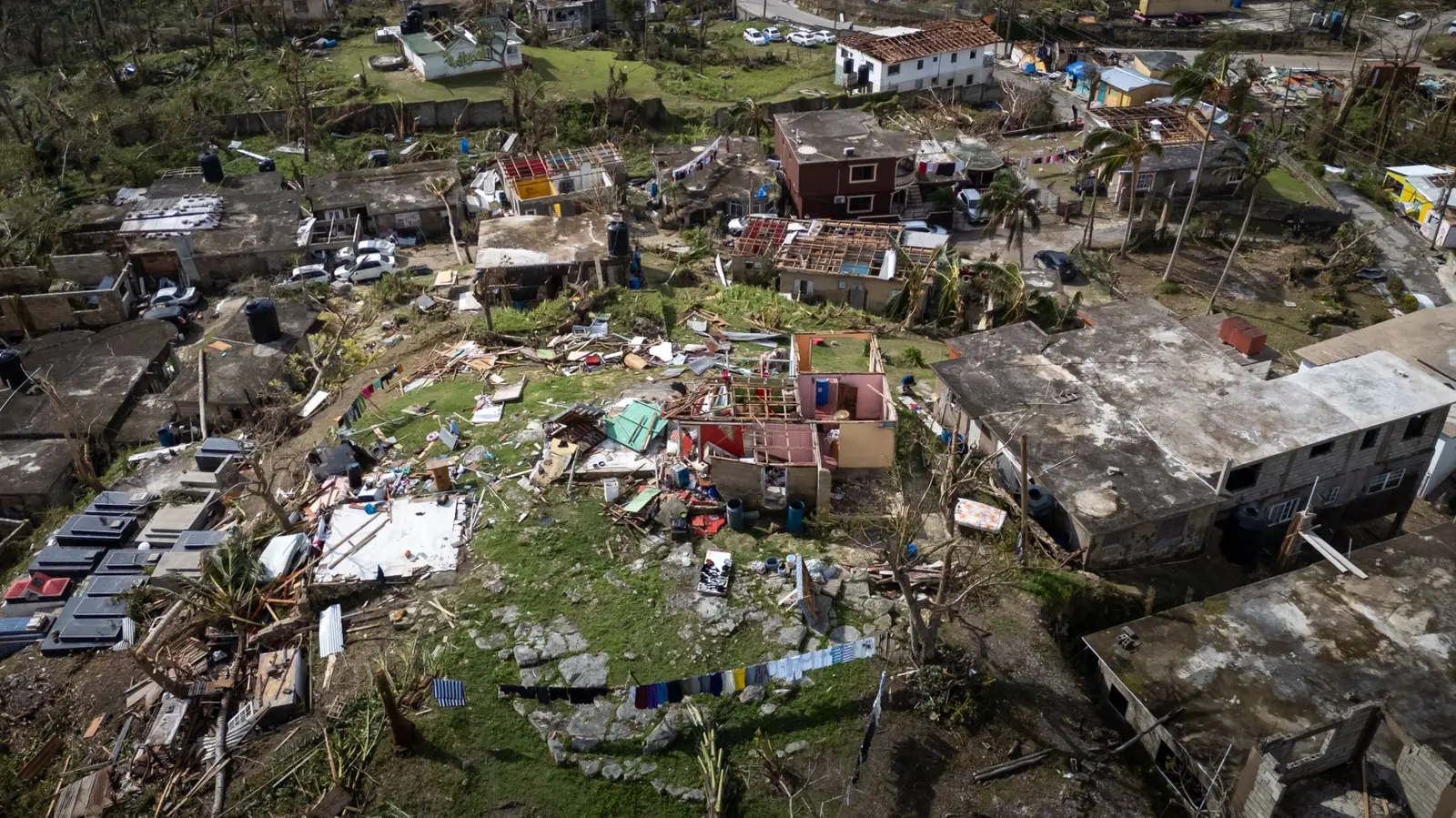
Homes and trees damaged after a severe windstorm
Assess before rebuilding Damage patterns help identify immediate hazards and recovery priorities.
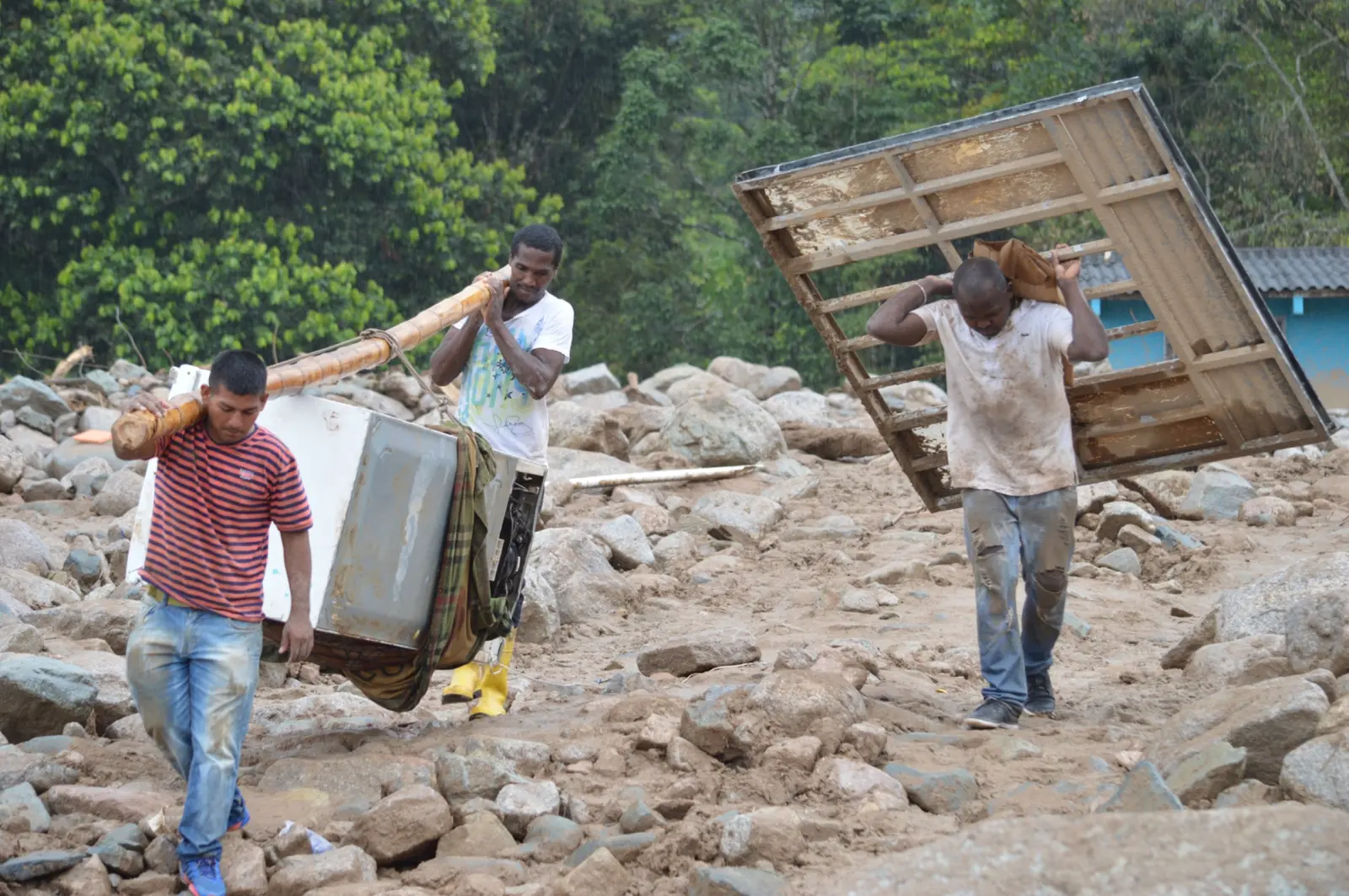
People carrying recovered materials through a damaged area
Restore daily life Recovery depends on safe, sustained work after attention moves elsewhere.
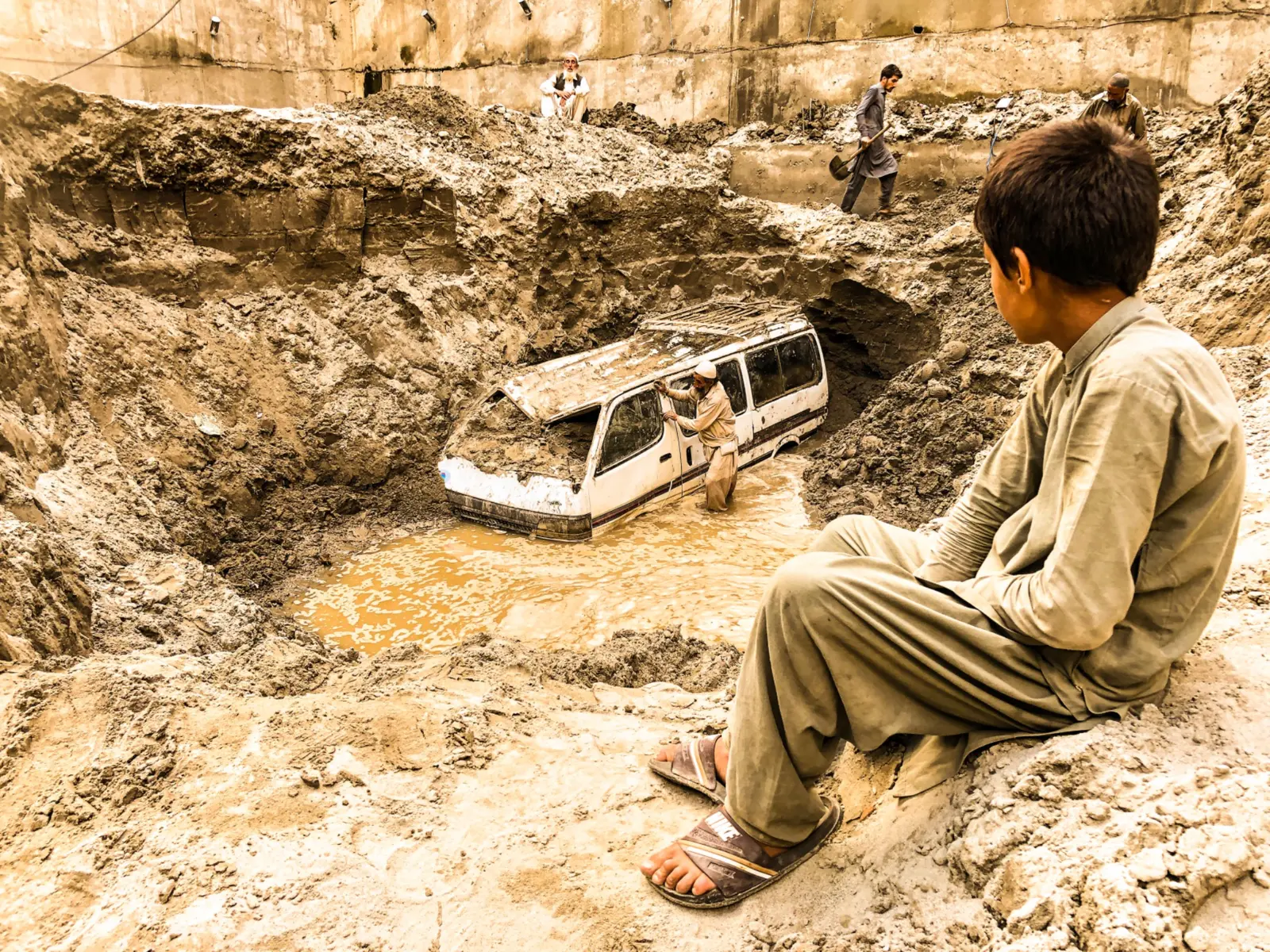
Vehicle stranded beside a landslide-damaged road
Restore safe access Landslide debris can trap vehicles and block local routes. Clearance and ground assessment must come before travel resumes.
03 Community resilience

See risk earlier. Make the next decision stronger.

Preparedness connects environmental conditions with actions that people can take. Monitoring, trusted warnings and locally useful plans give communities more time to respond.
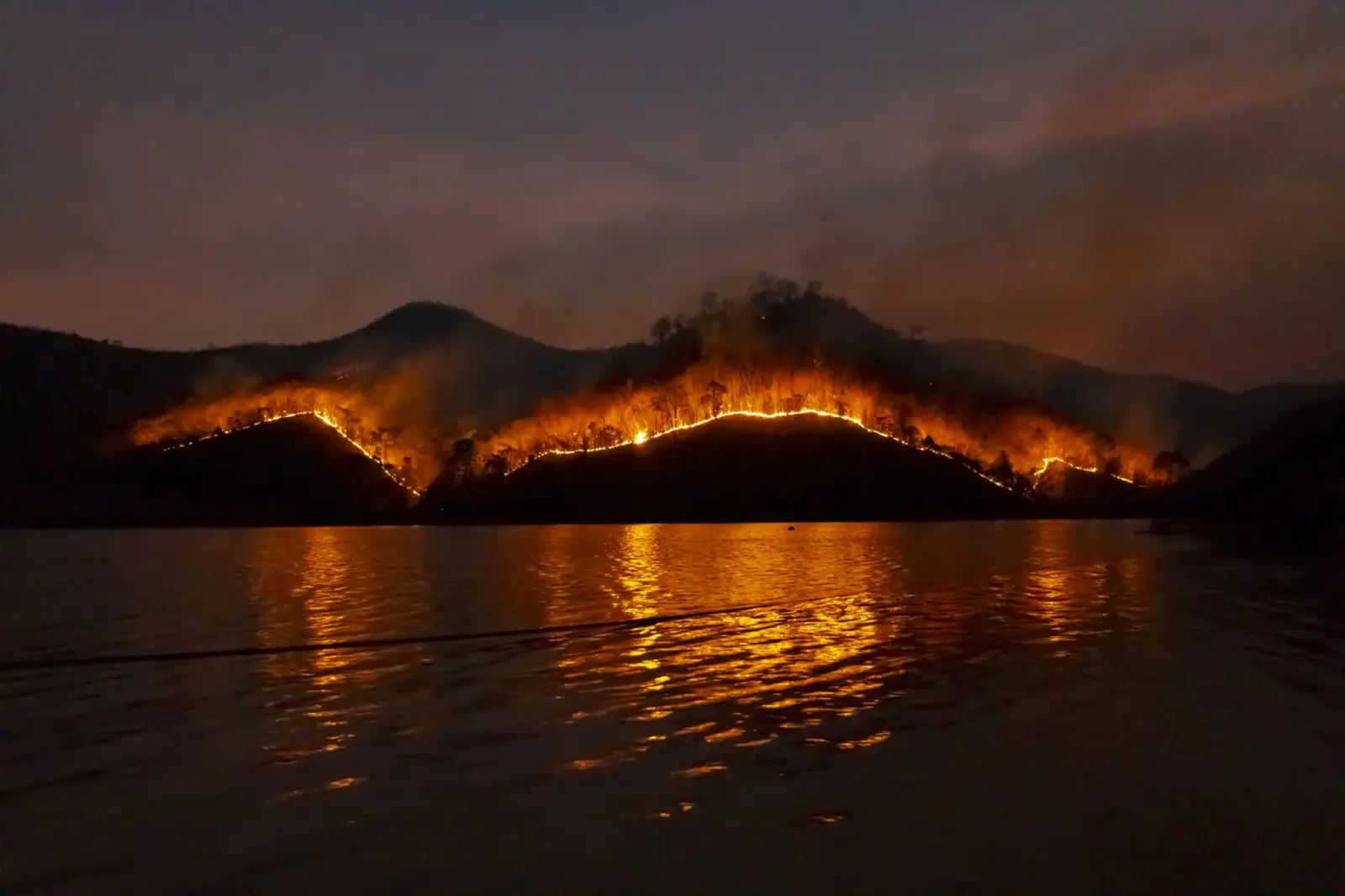
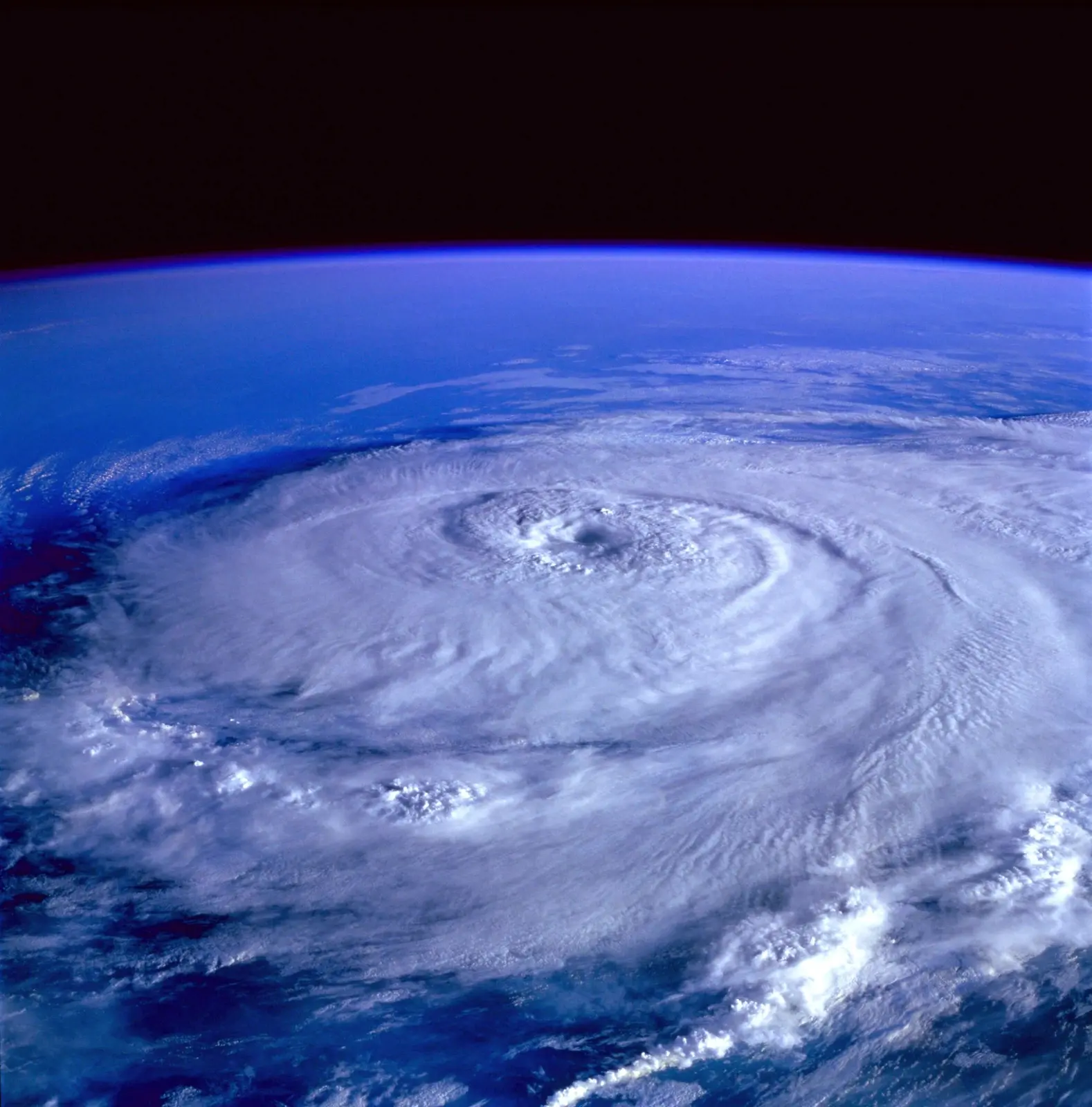
Understand multiple hazards Planning has to account for fast-changing and cascading risks.
Wildfire burning through a forest at night
Early warning Timely information can protect lives before conditions escalate.
Large tropical storm viewed from orbit
Track changing systems Regional observation supports better local readiness.
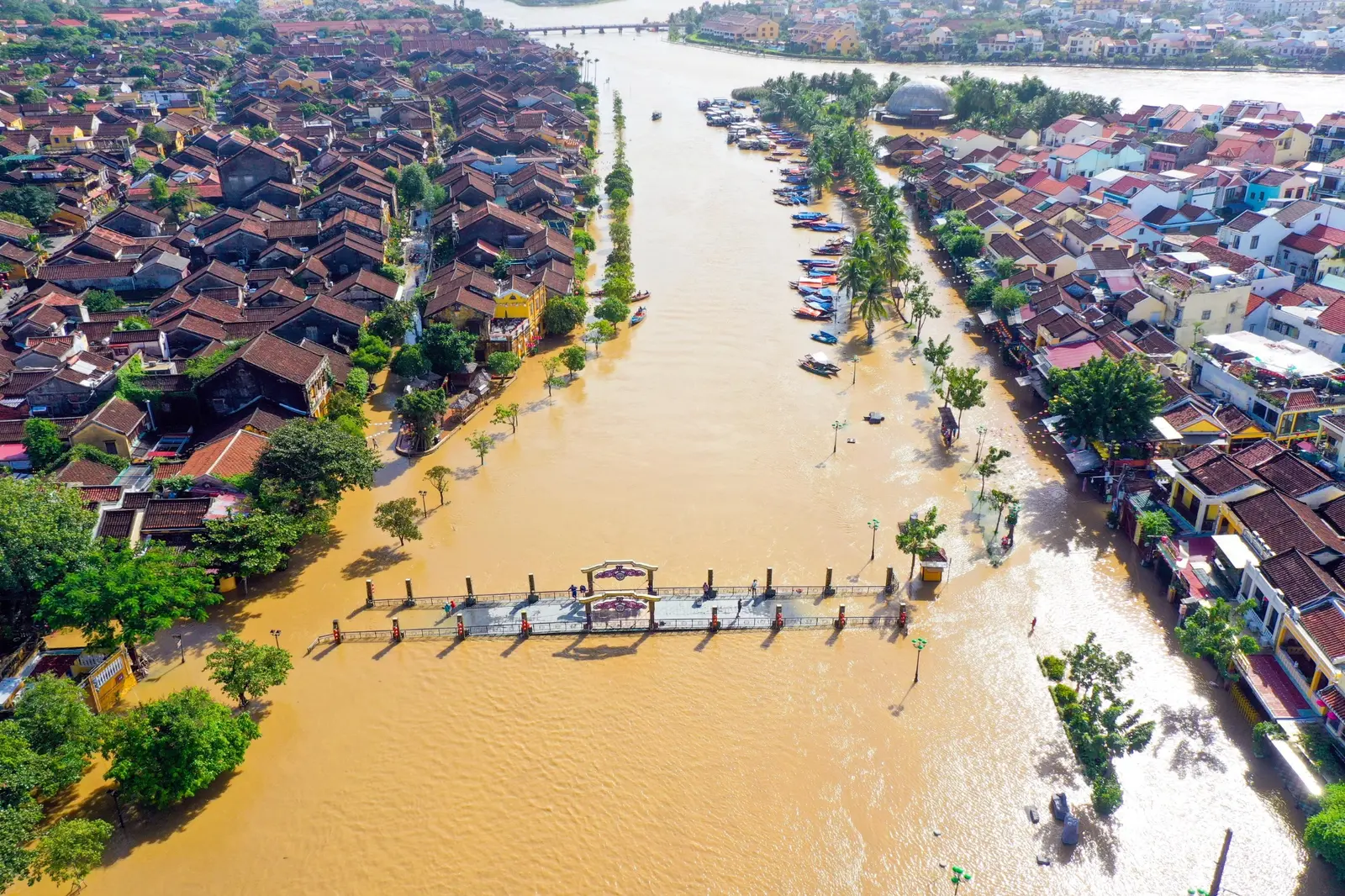
Aerial view of a town surrounded by floodwater
Plan with place in mind Preparedness must reflect how water, roads and settlements interact.
Why environmental conditions matter

Relief, recovery and preparedness work best as one continuous commitment.

Floods, landslides, cyclones and fire can affect homes, water, transport, livelihoods and ecosystems at the same time. Meeting urgent needs while reducing future exposure creates a safer path forward.