
Outpatient and triage capacity
A quiet, controlled intake area reduces stress and gives staff a place to assess new arrivals before they enter the main rehabilitation environment.
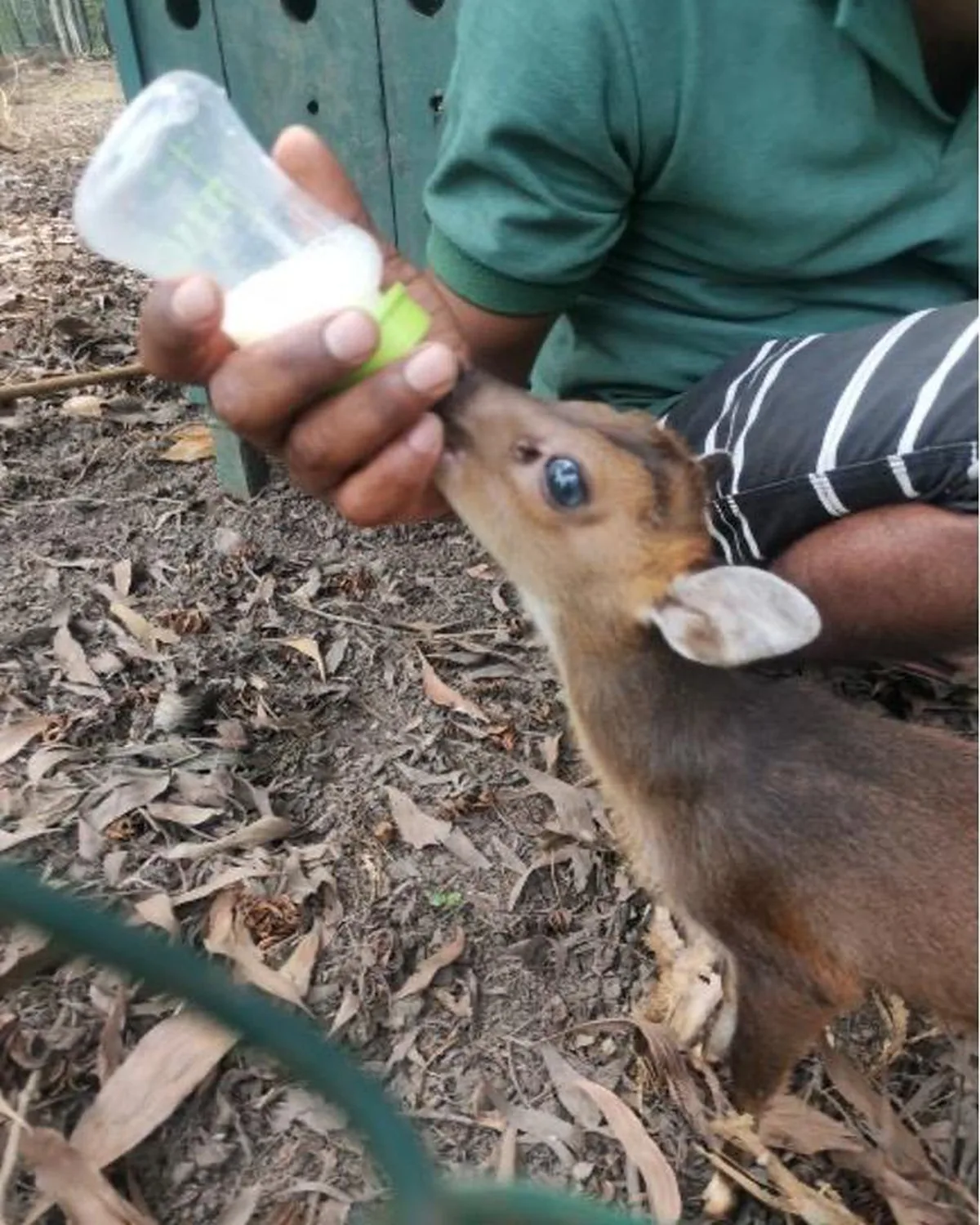
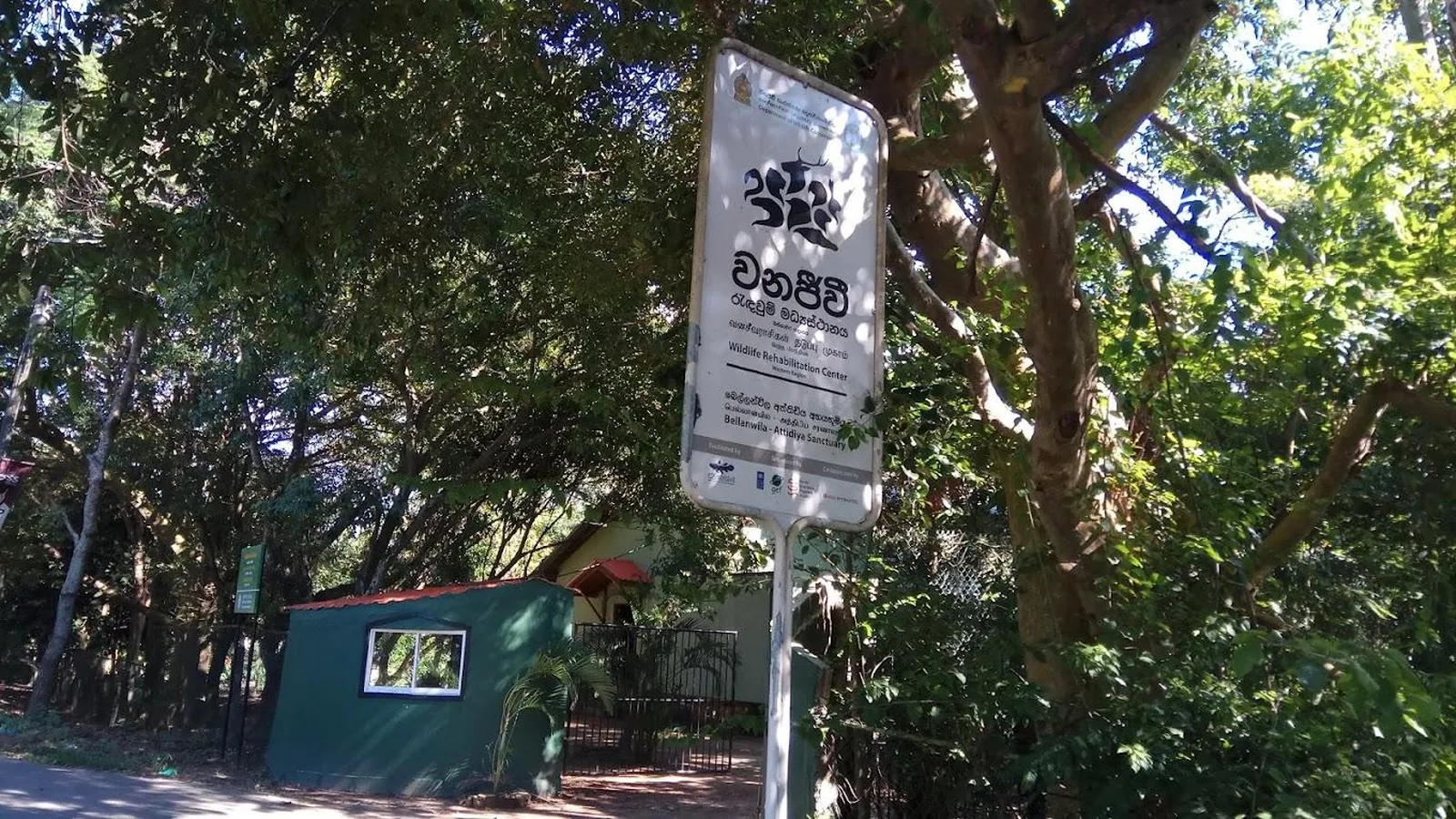
Wildlife rehabilitation follows a chain from intake and assessment through diagnosis, treatment, suitable housing, recovery, translocation and release. The project focuses on strengthening the facilities and systems behind every stage.
The project identifies rescue of injured wildlife, hospitalisation, rehabilitation, release, management of disabled animals, capture and translocation as core activities. Together they form a clear operational path from arrival to release.
Receive the animal safely and record the circumstances of rescue.
Stabilise urgent cases and prioritise immediate care.
Use appropriate clinical assessment and diagnostic capacity.
Provide surgery, medication, nutrition and supportive care as required.
Move animals into suitable spaces that support natural behaviour.
Prepare, transport and return releasable wildlife to suitable habitat.
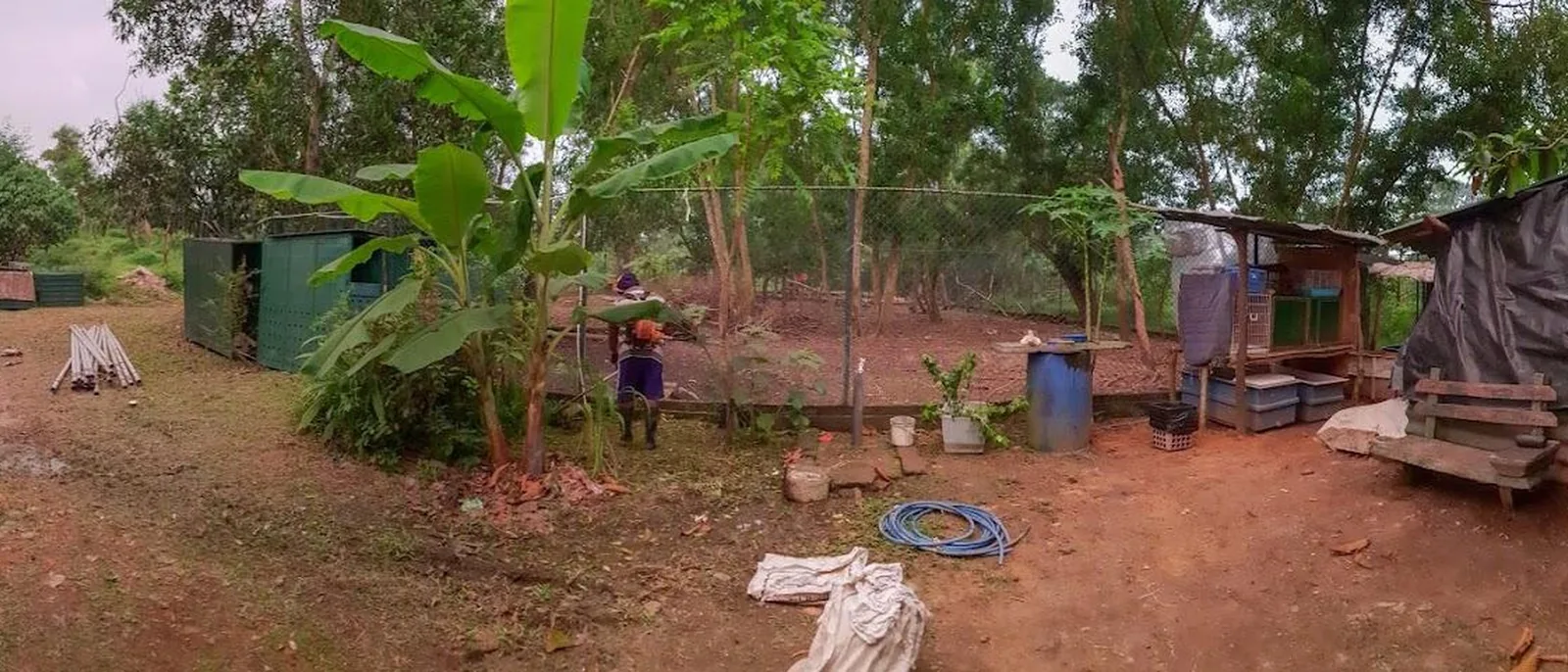
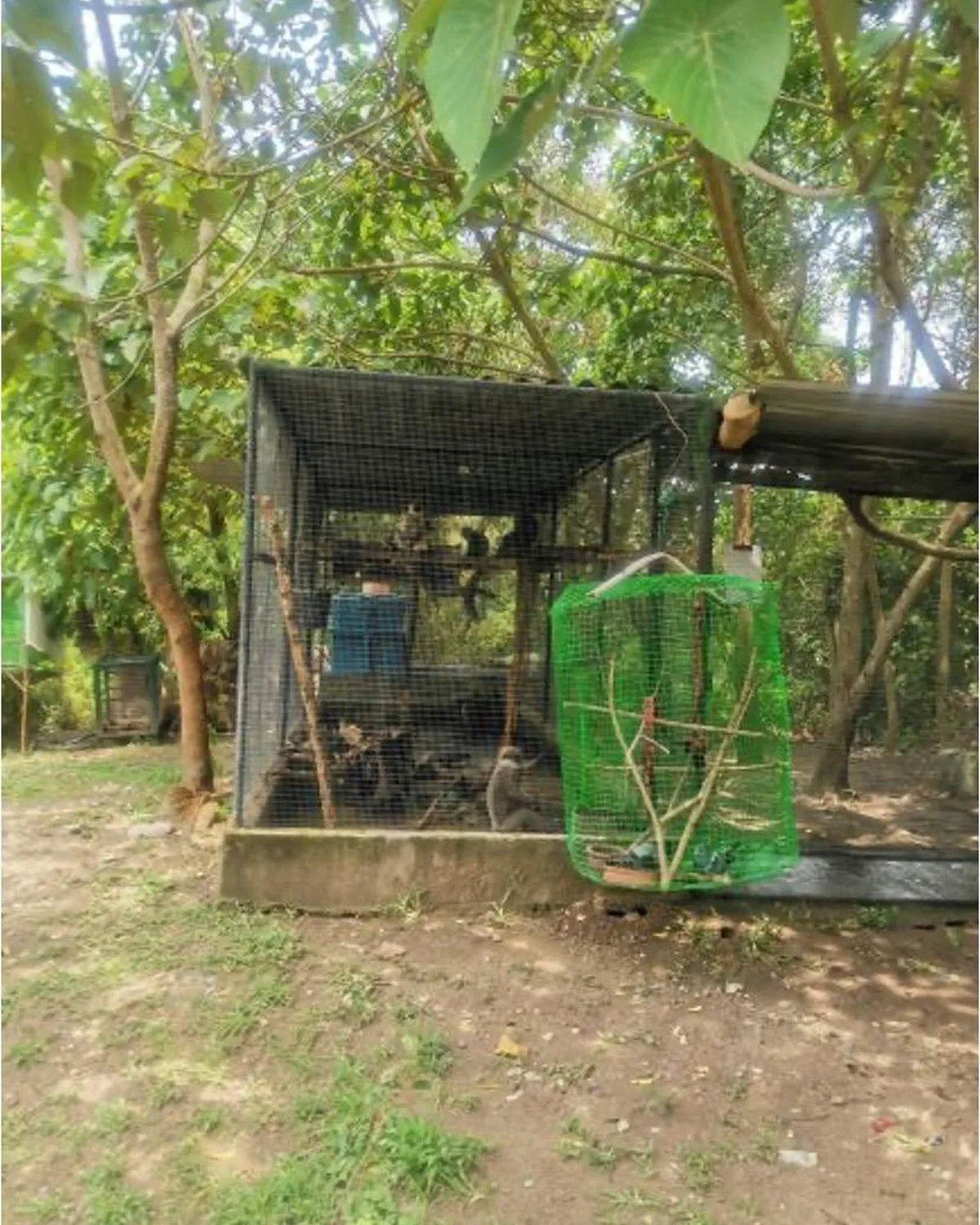
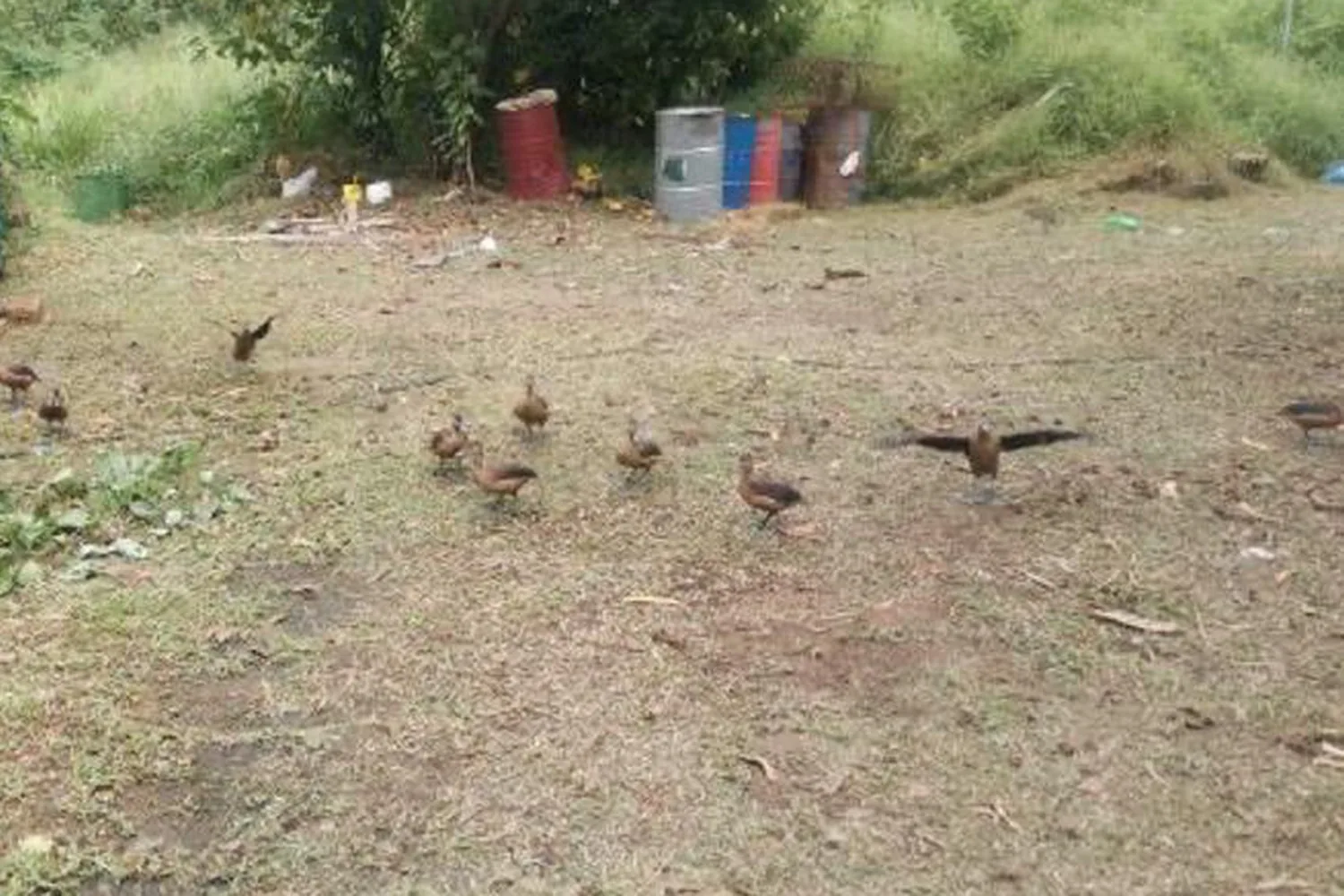
The project identifies constraints around capacity, treatment equipment, suitable shelter, diagnostics and release planning. Improving these areas can strengthen care from intake through recovery.
A quiet, controlled intake area reduces stress and gives staff a place to assess new arrivals before they enter the main rehabilitation environment.
Clinical decisions are stronger when veterinary teams have suitable operating space, equipment, laboratory support and diagnostic tools.
Birds, reptiles, primates, deer, small cats and other patients need different enclosure sizes, substrates, climbing or perching structures, temperature conditions and levels of isolation.
Orphaned or very young animals require controlled temperature, nutrition and monitoring, while recovering adults need space to heal without unnecessary disturbance.
Safe transport equipment, containment, release site assessment and planning after release are essential parts of rehabilitation.
Facilities work only when trained people can coordinate records, rescue calls, treatment protocols, overnight care and collaboration with other centres.
Release requires medical fitness, natural behaviour and suitable habitat. Some animals may instead need longer term care when a safe return to the wild is not possible.
The project also identifies collaboration with other rehabilitation centres, awareness to reduce harmful human interference, and protocols for treatment, management and release as part of improving outcomes.
Partnerships can focus on a defined rehabilitation bottleneck rather than trying to solve the entire system at once.