
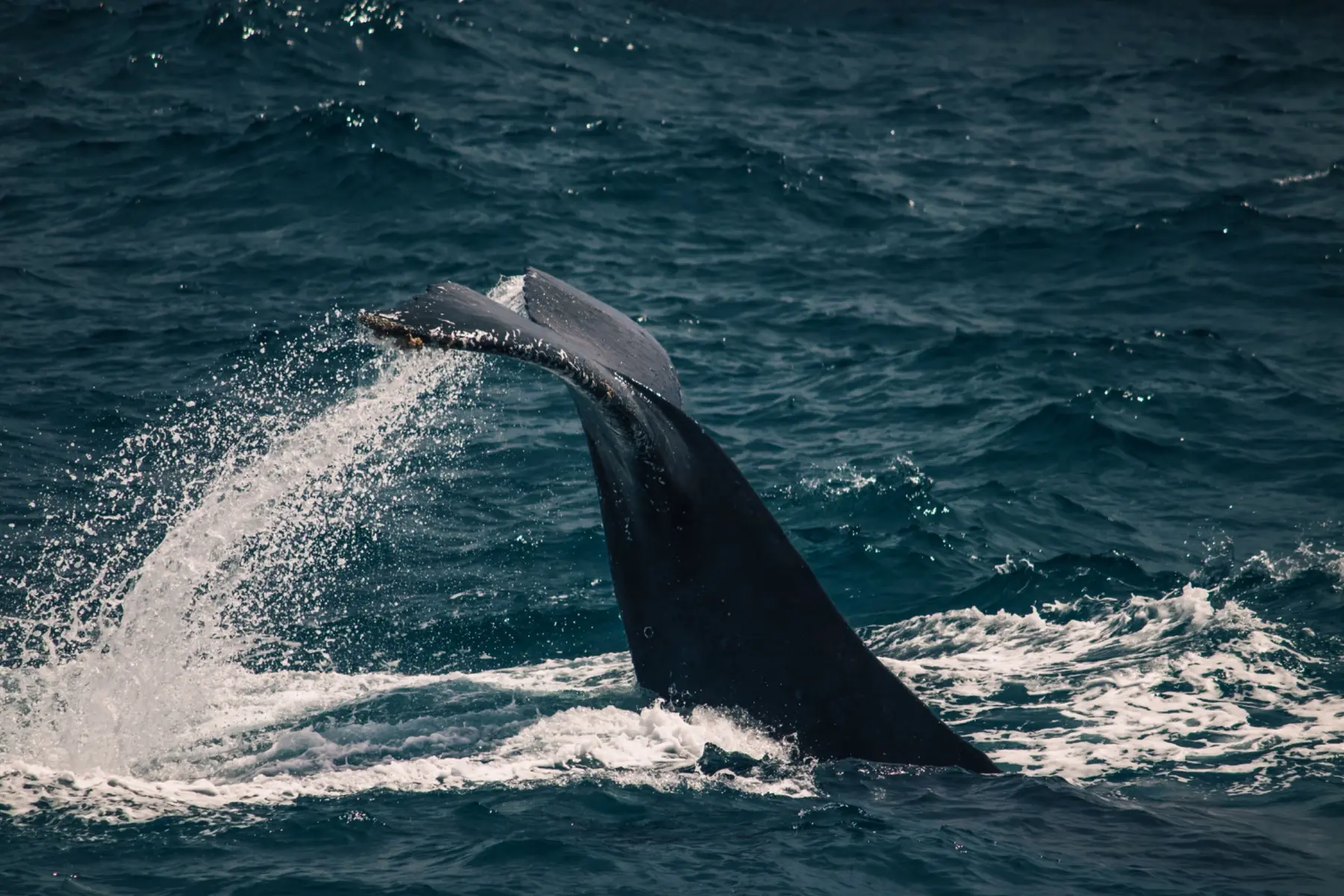
Built for a particular place and way of living.
Blue whales are the largest animals known to have lived, yet their survival depends on tiny prey and the productivity of entire ocean systems. Their movements link feeding areas, breeding areas and shipping routes across enormous distances.
Range. Most major oceans, with distinct populations and movement patterns.
Habitat. Open ocean and productive shelf or upwelling waters where dense krill can support feeding.
Natural history
Food and feeding. Almost entirely krill, filtered from seawater through baleen plates during lunge feeding.
Reproduction and life history. Calves are born after a long gestation and remain dependent on their mothers for months. Slow reproduction means recovery from historical whaling takes generations.
Conservation priorities depend on the species’ biology, habitat, range and rate of reproduction. These factors shape how quickly a population can recover and which pressures require the most attention.
What role does it play?
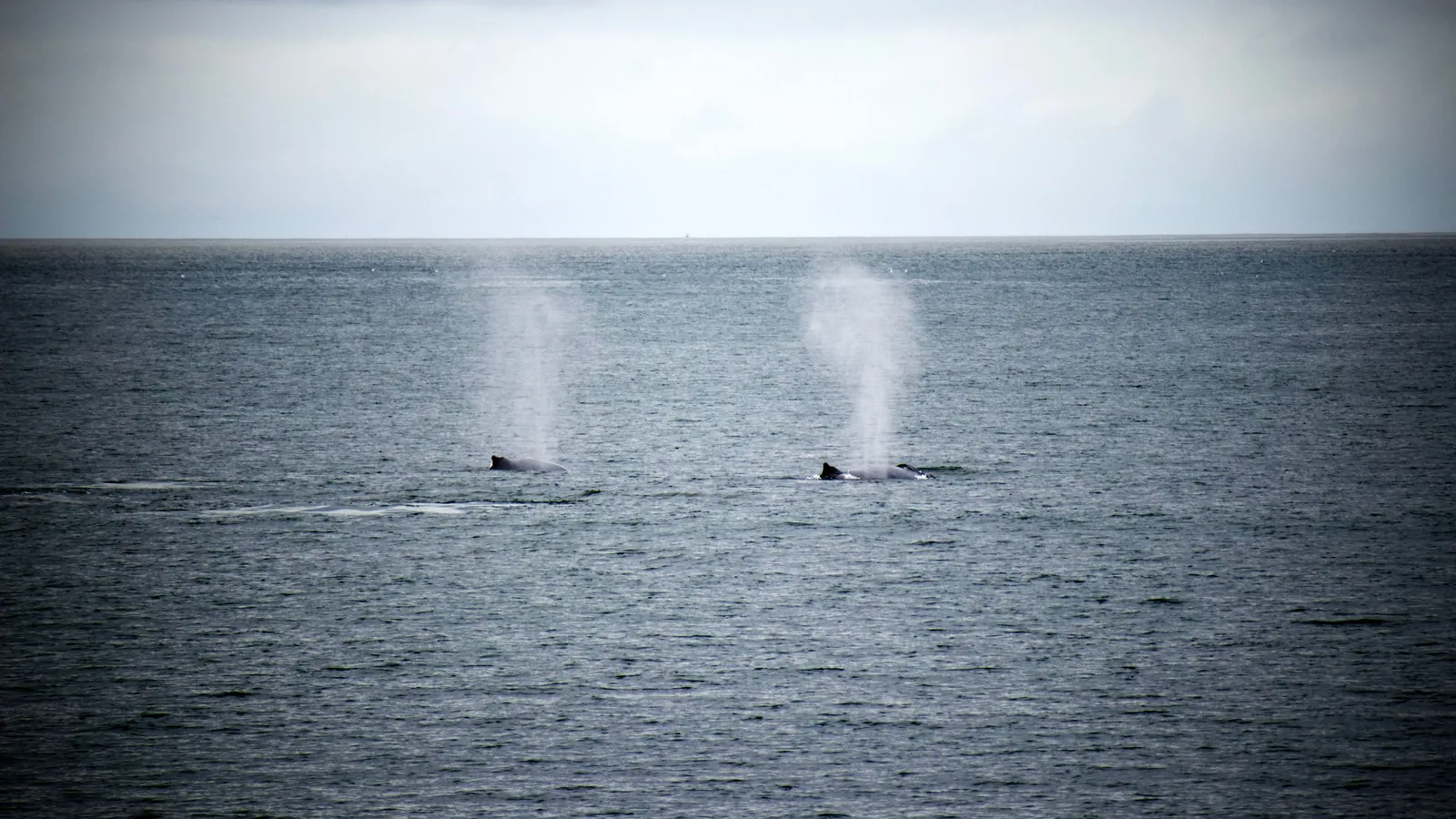
Whales transport nutrients through the ocean and their bodies store substantial carbon over long lifespans; their presence also reflects productive marine ecosystems.
Ecological roles are rarely isolated. Predators depend on prey, grazers depend on productive vegetation, marine species depend on currents and nursery habitats, and forest species may depend on canopy connections that extend beyond protected area boundaries. Protecting a species often becomes a question about the wider system that keeps its life cycle possible.
Pressure and practical action
Threats vary between populations and places, so the list below is a guide to the major pressures associated with this species or group rather than a claim that every population faces every threat equally.
Key pressures
- Ship strikes in busy routes
- Entanglement in fishing gear
- Underwater noise that can interfere with communication and behaviour
- Climate driven changes to prey distribution and ocean productivity
What helps
- Route ships and manage speed where collision risk is high
- Reduce entanglement risk through fishing gear innovation and management
- Control harmful underwater noise
- Maintain long term acoustic, visual and population monitoring
Sri Lanka context
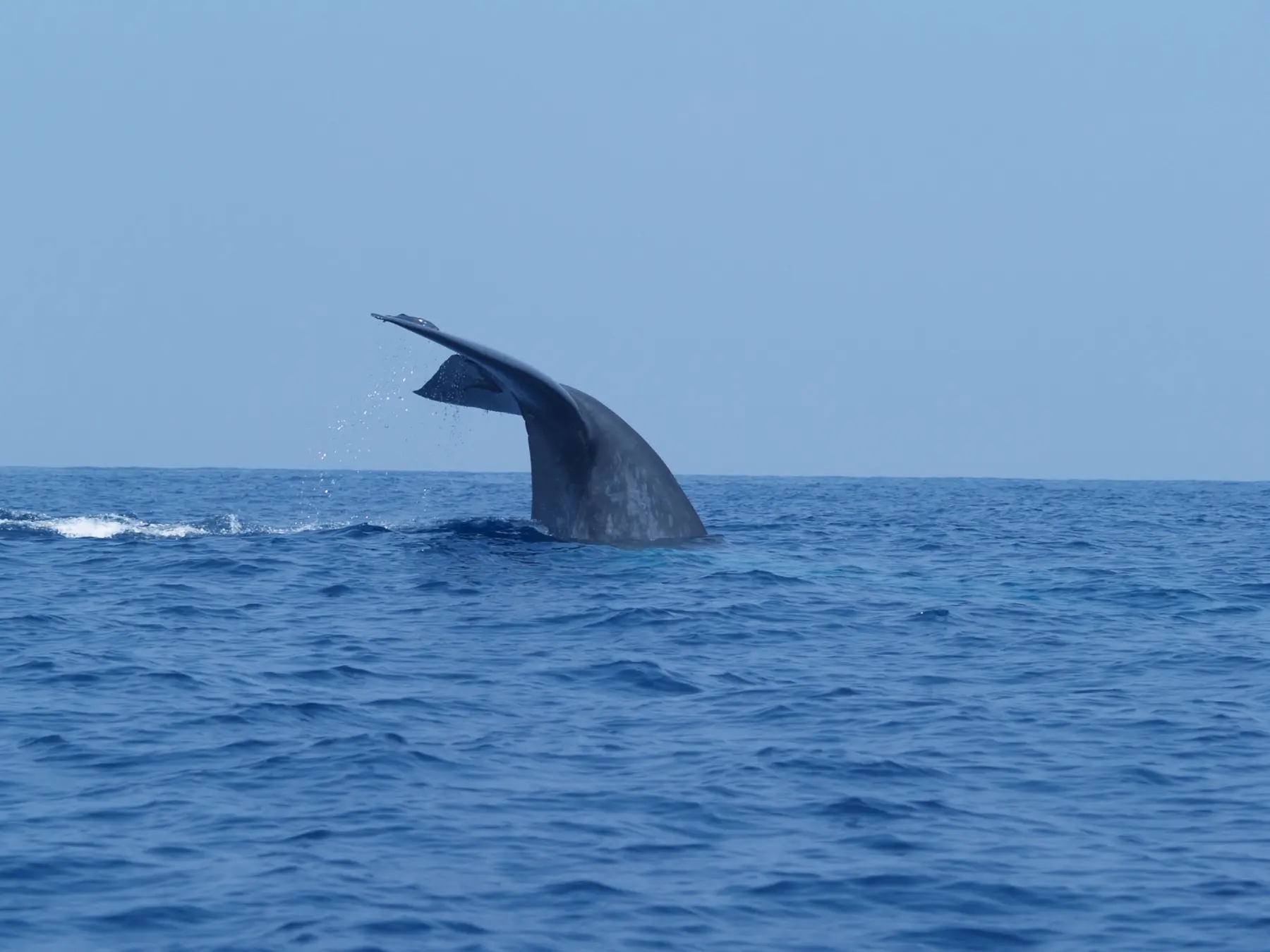
Blue whales occur in waters around Sri Lanka, including areas used by international shipping. This creates a particularly important conservation question around how busy maritime routes overlap with whale habitat.
Where CuteFela discusses a species in Sri Lanka, the local context stays specific by considering the habitat involved, whether the species is native, how people and wildlife share space, and which conservation tools are relevant. For species that do not occur on the island, the guide says so directly.
Start with specialist sources.
Conservation assessments are periodically updated. Use the linked specialist and institutional sources for the latest status, range and management information.
NOAA Fisheries Blue whale ↗International Whaling Commission ↗