
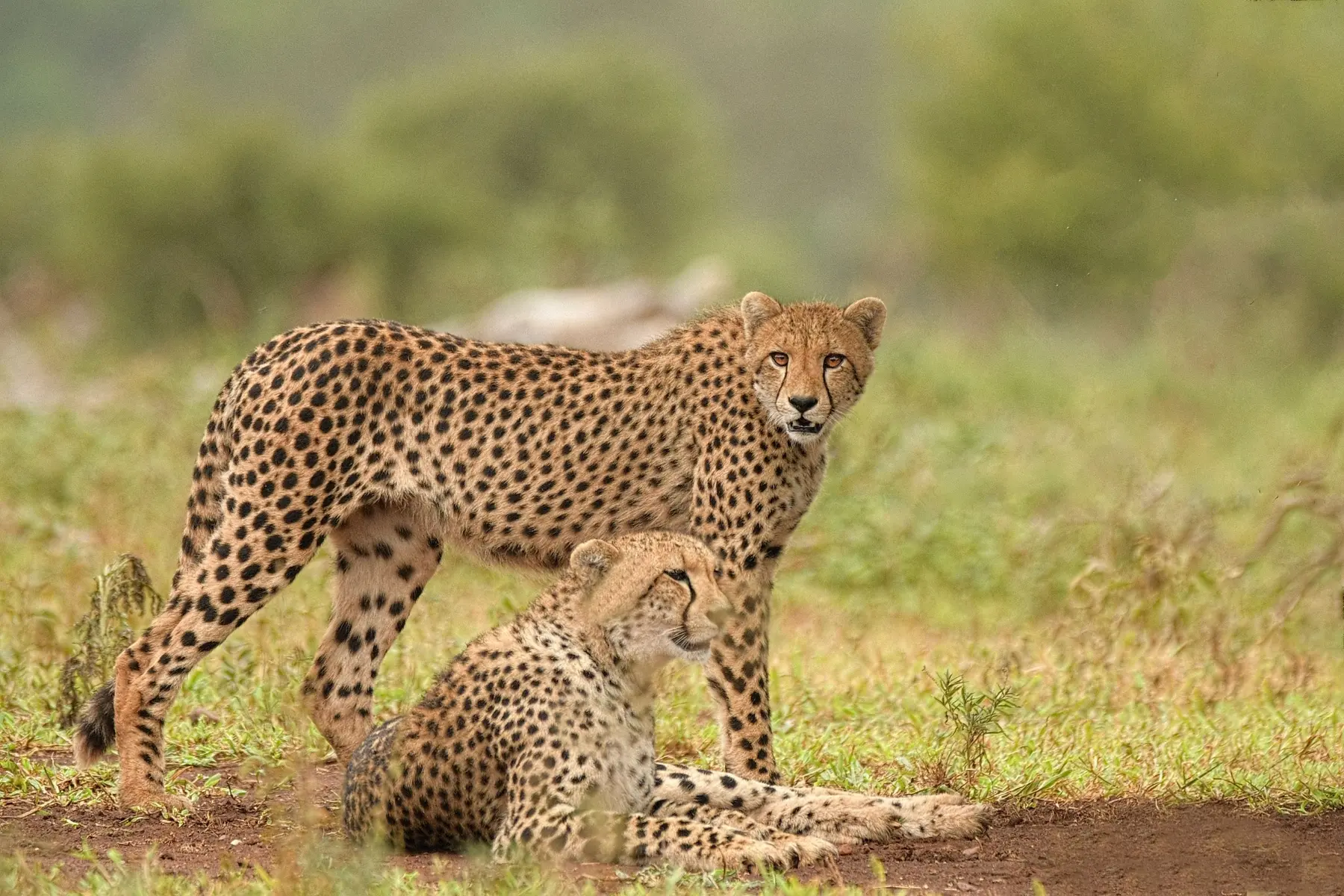
Built for a particular place and way of living.
Cheetahs are specialised for acceleration and high speed pursuit, but their conservation challenge is about space more than speed. They often range far beyond protected area boundaries, which brings them into landscapes shared with people and livestock.
Range. Primarily eastern and southern Africa, with a very small surviving Asiatic population in Iran.
Habitat. Open grasslands, savannah, shrublands and other landscapes with adequate prey and room to move.
Natural history
Food and feeding. Mostly small to medium sized ungulates captured through short, high speed chases.
Reproduction and life history. Females may raise several cubs, but juvenile survival can be low. Wide ranging adults require connected landscapes rather than isolated pockets.
Conservation priorities depend on the species’ biology, habitat, range and rate of reproduction. These factors shape how quickly a population can recover and which pressures require the most attention.
What role does it play?
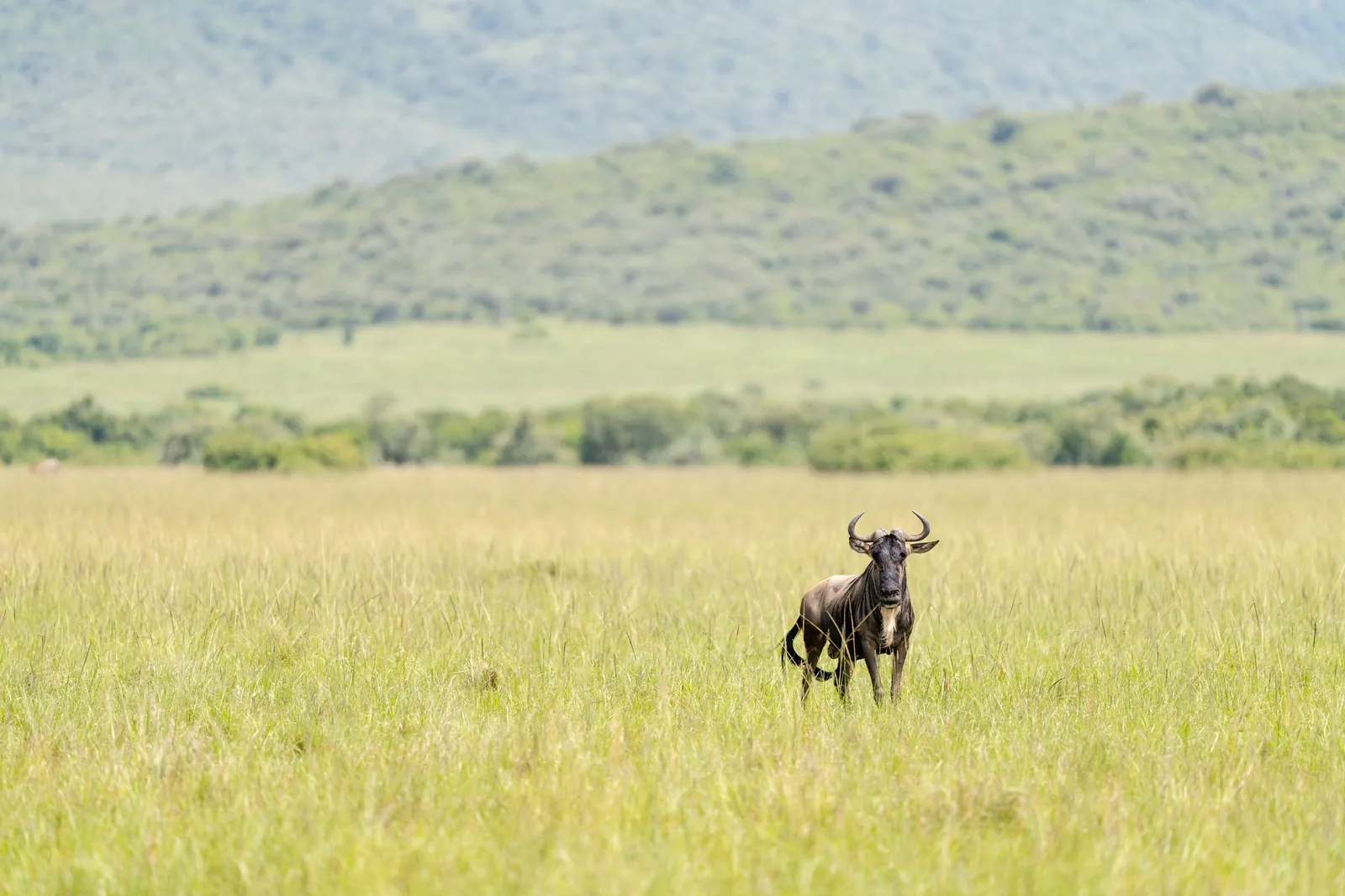
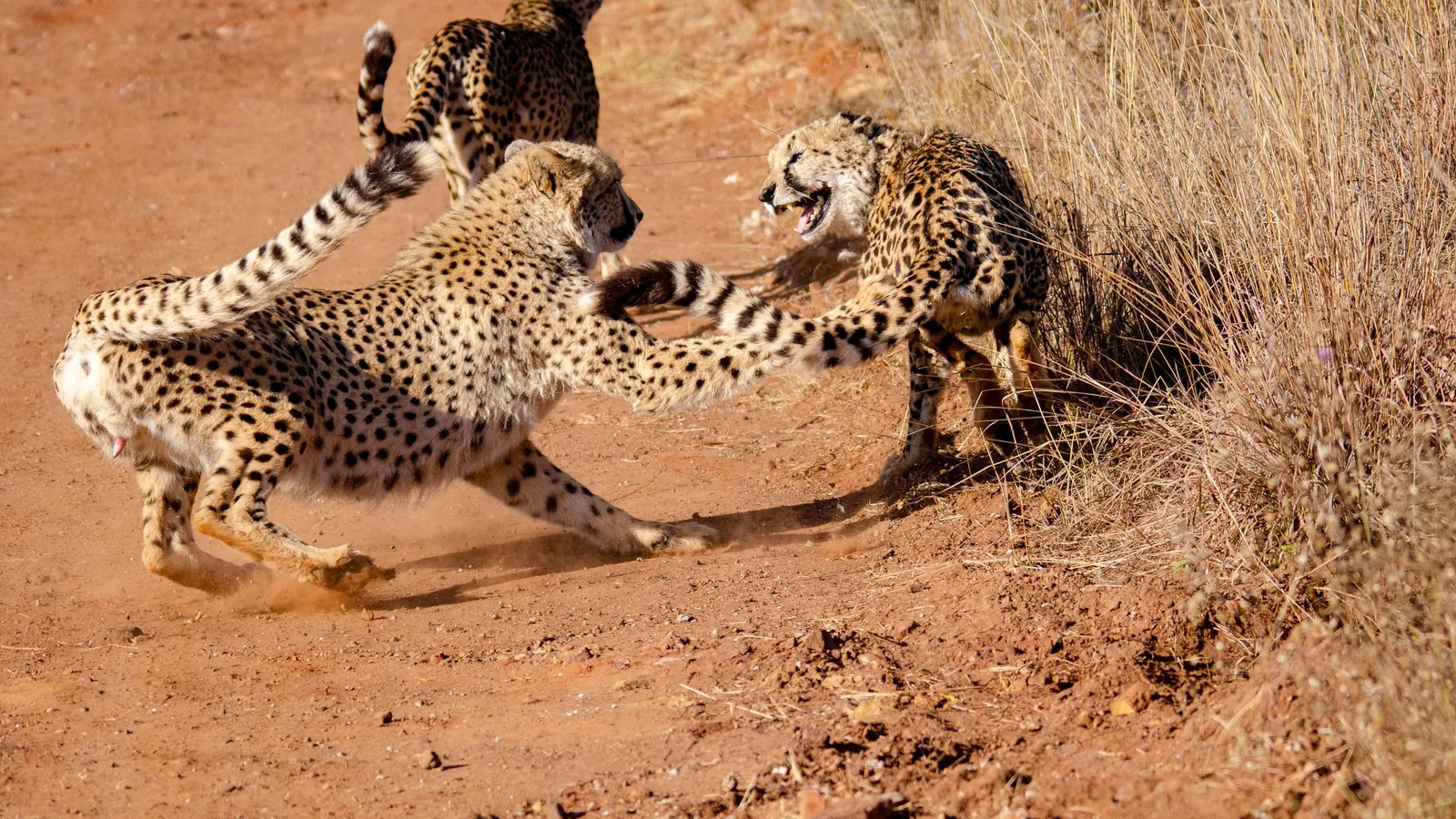
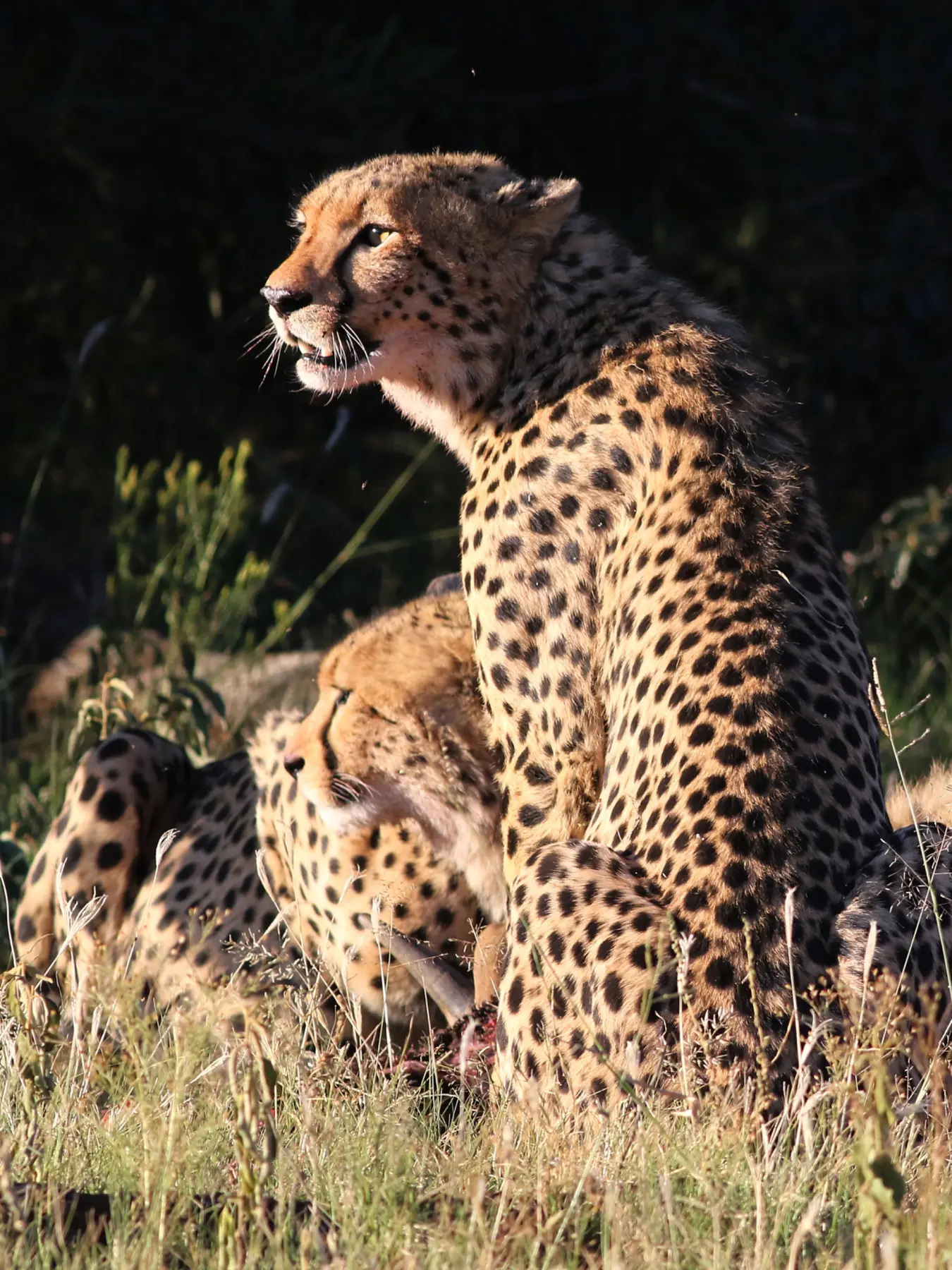
Cheetahs are predators of medium sized herbivores and part of a wider carnivore community in open landscapes.
Ecological roles are rarely isolated. Predators depend on prey, grazers depend on productive vegetation, marine species depend on currents and nursery habitats, and forest species may depend on canopy connections that extend beyond protected area boundaries. Protecting a species often becomes a question about the wider system that keeps its life cycle possible.
Pressure and practical action
Threats vary between populations and places, so the list below is a guide to the major pressures associated with this species or group rather than a claim that every population faces every threat equally.
Key pressures
- Habitat loss and fragmentation
- Declining wild prey
- Conflict with livestock owners
- Illegal trade in live cubs in some regions
What helps
- Keep large landscapes connected
- Support livestock protection and coexistence measures
- Protect prey populations
- Disrupt illegal wildlife trade
Sri Lanka context
Cheetahs are not native to Sri Lanka. The island’s own large cat conservation is centred on the Sri Lankan leopard, whose ecology and conflict context are very different.
Where CuteFela discusses a species in Sri Lanka, the local context stays specific by considering the habitat involved, whether the species is native, how people and wildlife share space, and which conservation tools are relevant. For species that do not occur on the island, the guide says so directly.
Start with specialist sources.
Conservation assessments are periodically updated. Use the linked specialist and institutional sources for the latest status, range and management information.
Cheetah Conservation Fund ↗IUCN Red List ↗