
Built for a particular place and way of living.
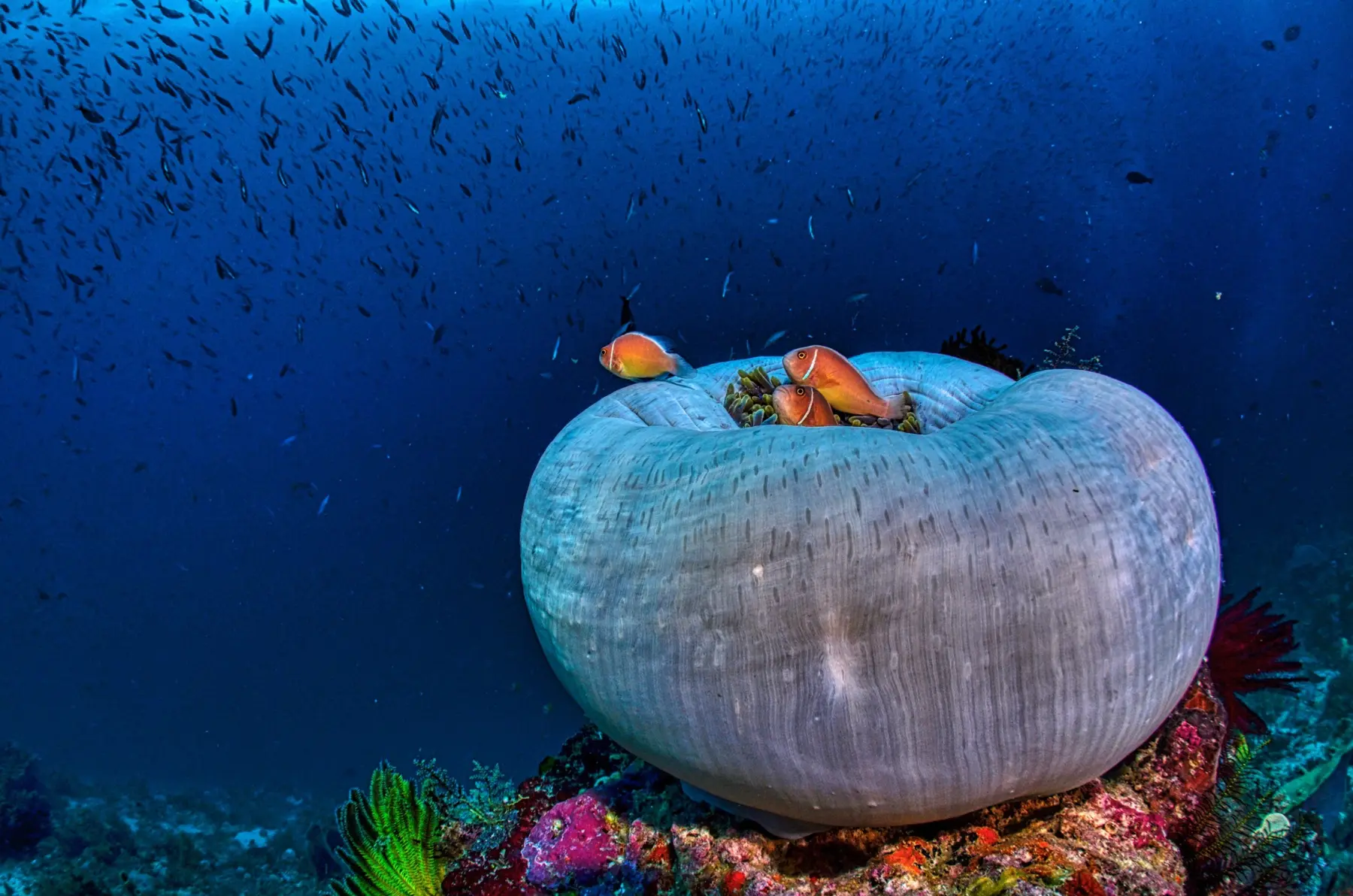
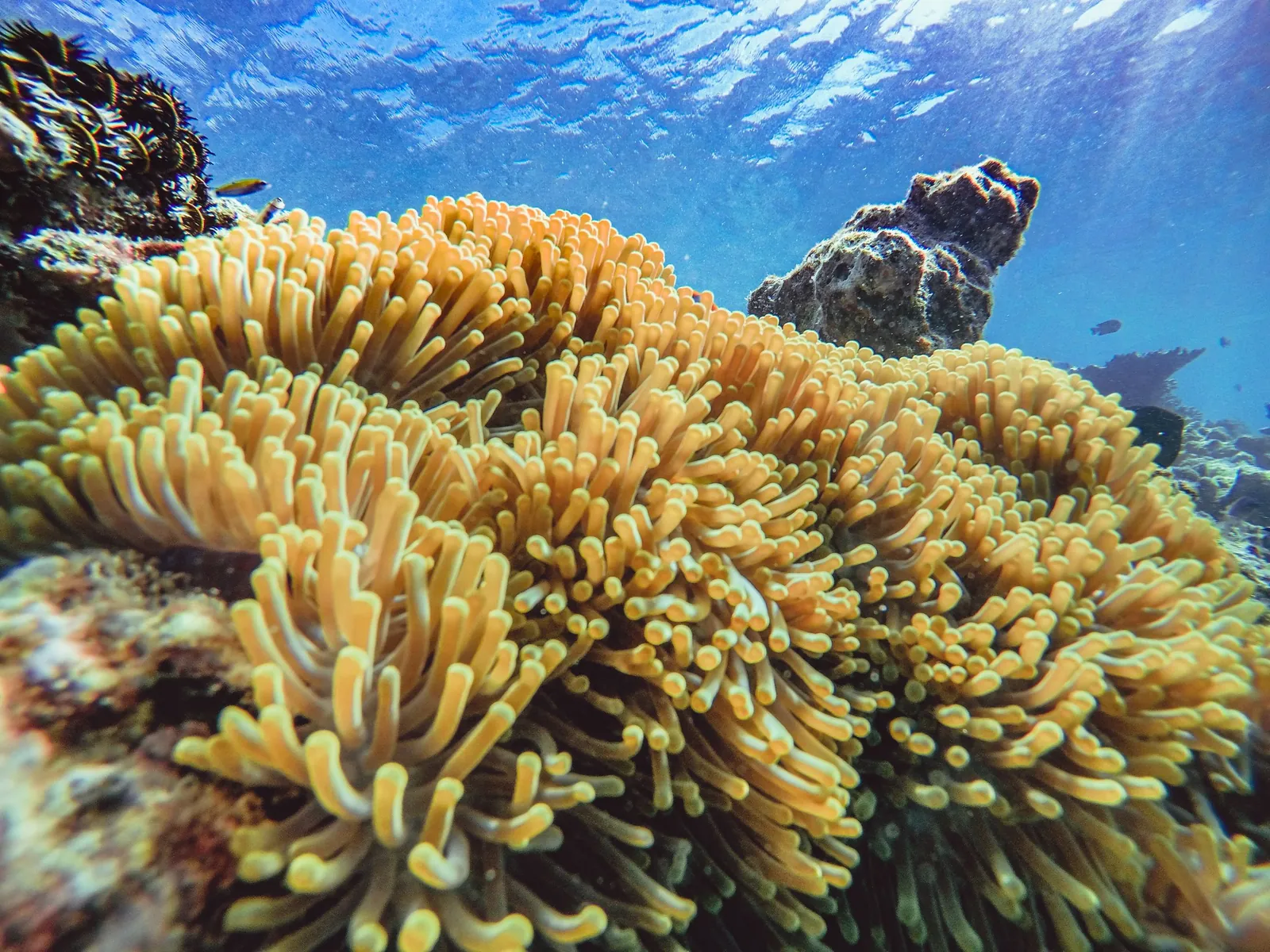
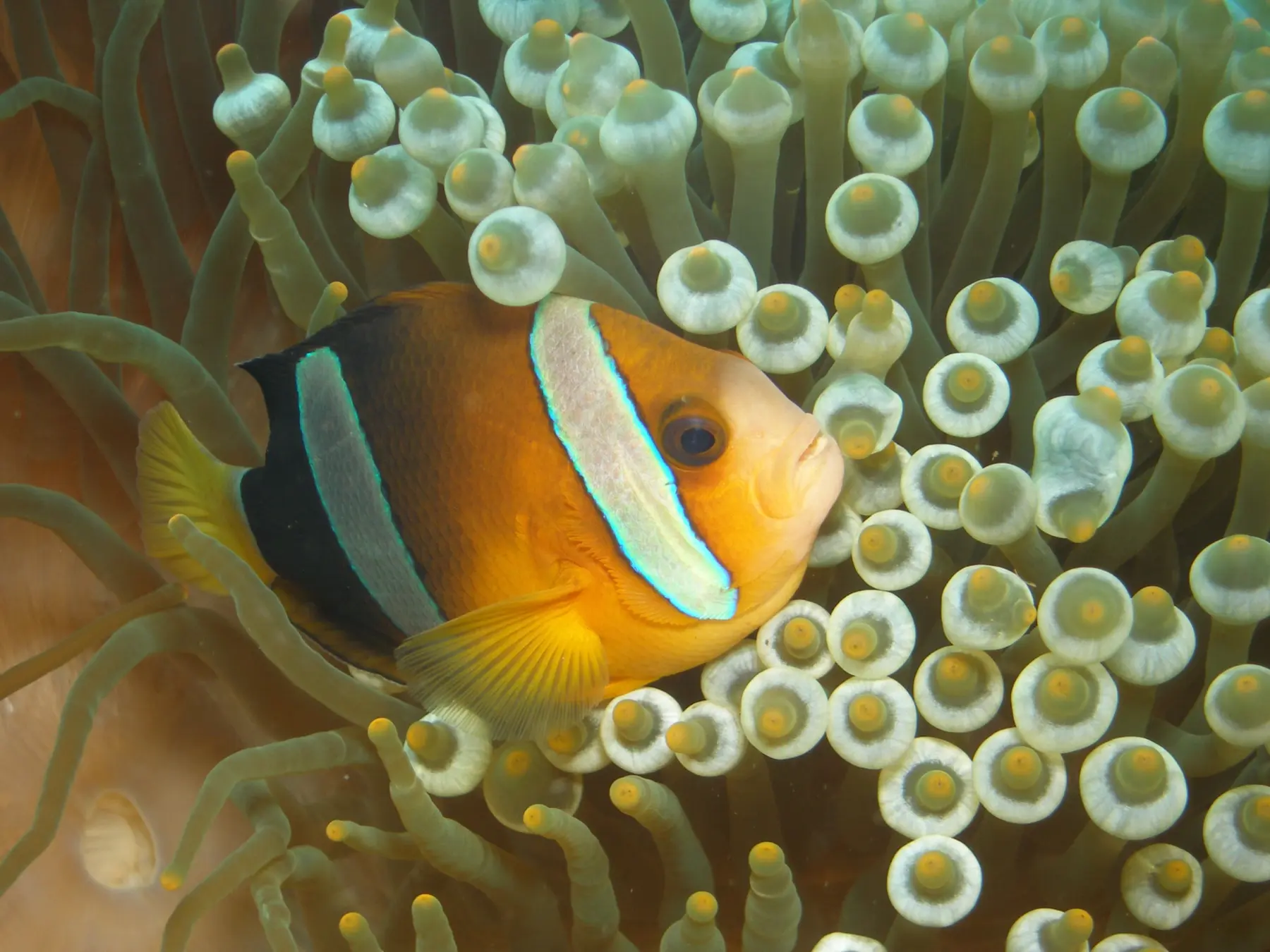
Clownfish live in a famous partnership with sea anemones. A mucus layer helps protect the fish from the anemone’s stinging tentacles, while the fish can provide nutrients, water movement and defence around its host.
Range. Warm Indo Pacific waters from the Red Sea and Indian Ocean to the western Pacific.
Habitat. Shallow coral reef and lagoon environments where suitable host anemones occur.
Natural history
Food and feeding. Small zooplankton, algae and organic material around the host anemone.
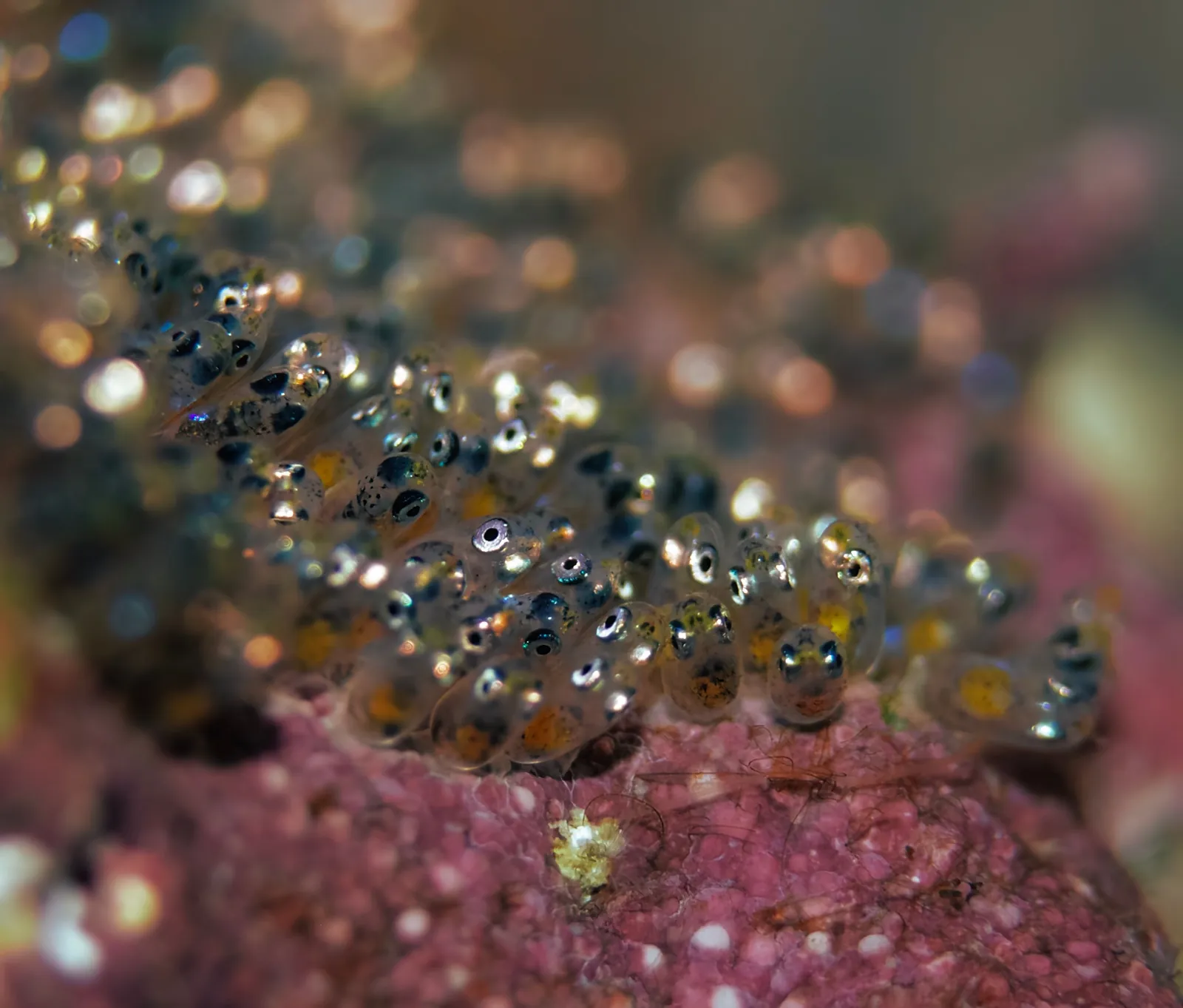
Reproduction and life history. Groups have a dominance hierarchy. The largest individual is female; if she dies, the dominant male can change sex and become the breeding female.
Conservation priorities depend on the species’ biology, habitat, range and rate of reproduction. These factors shape how quickly a population can recover and which pressures require the most attention.
What role does it play?
Clownfish are part of tightly connected reef communities and show how the loss of one habitat forming partner can affect dependent species.
Ecological roles are rarely isolated. Predators depend on prey, grazers depend on productive vegetation, marine species depend on currents and nursery habitats, and forest species may depend on canopy connections that extend beyond protected area boundaries. Protecting a species often becomes a question about the wider system that keeps its life cycle possible.
Pressure and practical action
Threats vary between populations and places, so the list below is a guide to the major pressures associated with this species or group rather than a claim that every population faces every threat equally.
Key pressures
- Coral reef degradation and marine heatwaves
- Loss or bleaching of host anemones
- Poorly managed aquarium collection in some locations
- Pollution and destructive coastal development
What helps
- Protect coral reefs and water quality
- Reduce climate pressures driving mass bleaching
- Use responsible aquarium supply chains
- Safeguard diverse reef habitat rather than single charismatic species
Sri Lanka context
Sri Lanka lies within the broader Indian Ocean reef region. Reef conservation around the island supports anemones, reef fish and many other species that depend on complex living habitat.
Where CuteFela discusses a species in Sri Lanka, the local context stays specific by considering the habitat involved, whether the species is native, how people and wildlife share space, and which conservation tools are relevant. For species that do not occur on the island, the guide says so directly.
Start with specialist sources.
Conservation assessments are periodically updated. Use the linked specialist and institutional sources for the latest status, range and management information.
Smithsonian Ocean Clownfish ↗IUCN Red List ↗