
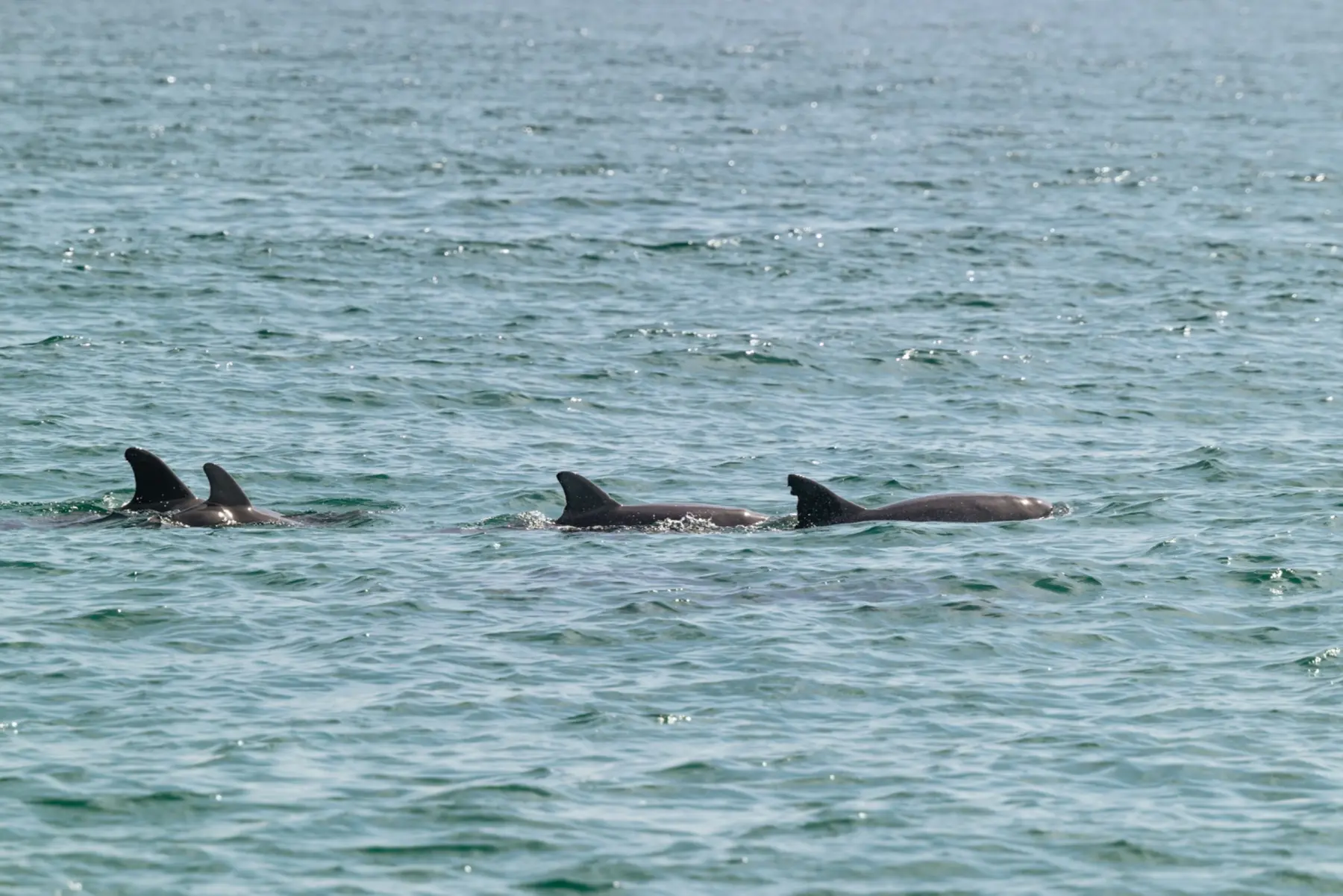
Built for a particular place and way of living.
Dolphins are highly social toothed whales with sophisticated acoustic communication and echolocation. The familiar coastal species are only part of a much wider group that includes offshore and river specialists.
Range. Marine waters worldwide, plus several river systems for freshwater species.
Habitat. Coastal shelves, pelagic ocean, estuaries and rivers depending on species.
Natural history
Food and feeding. Fish, squid and crustaceans, often captured cooperatively.
Reproduction and life history. Dolphins have long pregnancies, prolonged parental care and relatively slow reproduction compared with many fish they feed on.
Conservation priorities depend on the species’ biology, habitat, range and rate of reproduction. These factors shape how quickly a population can recover and which pressures require the most attention.
What role does it play?
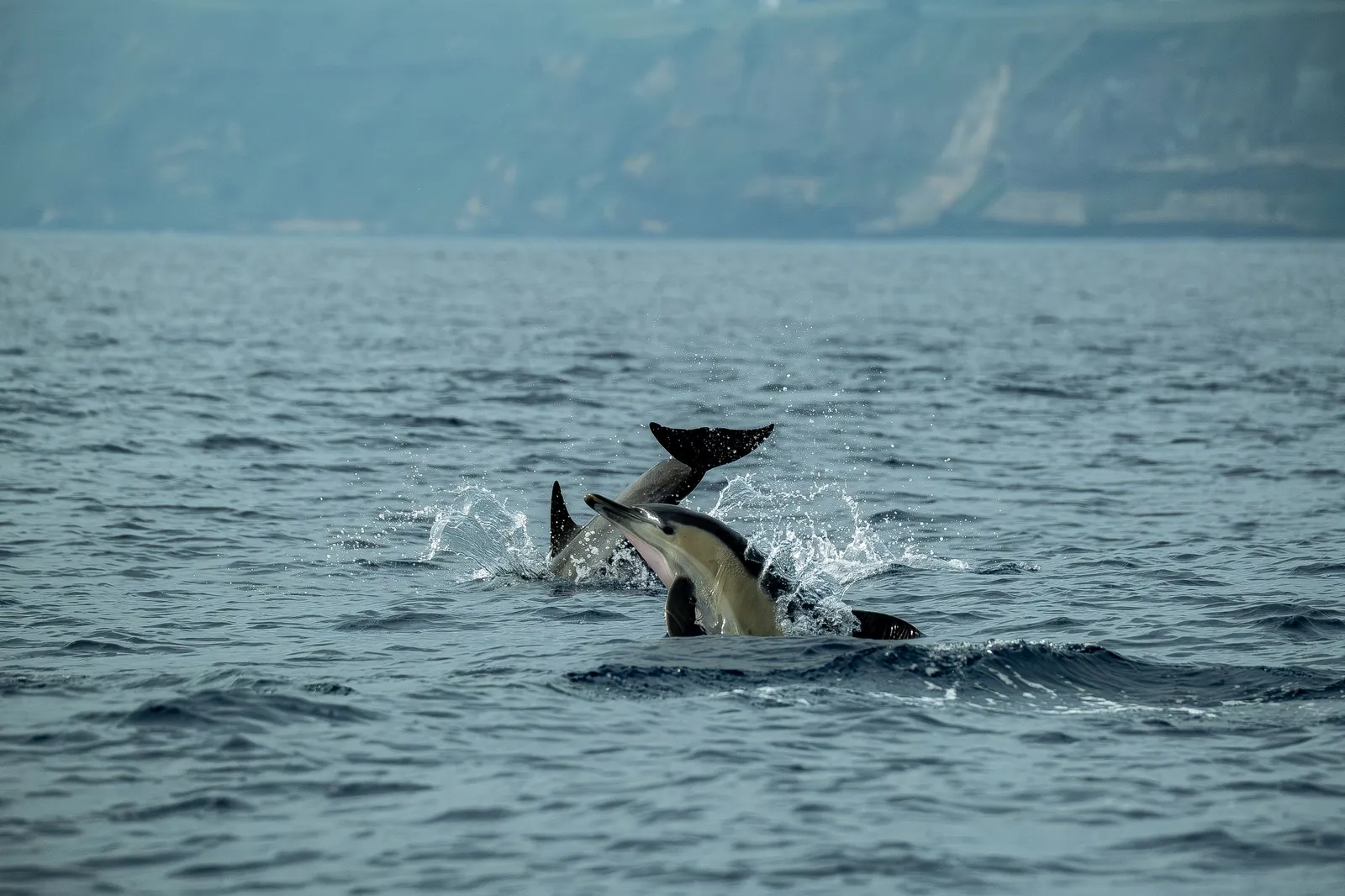
As mid level to high level predators, dolphins integrate changes in prey, water quality, fisheries pressure and underwater sound.
Ecological roles are rarely isolated. Predators depend on prey, grazers depend on productive vegetation, marine species depend on currents and nursery habitats, and forest species may depend on canopy connections that extend beyond protected area boundaries. Protecting a species often becomes a question about the wider system that keeps its life cycle possible.
Pressure and practical action
Threats vary between populations and places, so the list below is a guide to the major pressures associated with this species or group rather than a claim that every population faces every threat equally.
Key pressures
- Bycatch in fishing gear
- Entanglement and marine debris
- Underwater noise and vessel disturbance
- Prey depletion, contaminants and habitat change
What helps
- Reduce bycatch and improve fishing practices
- Manage vessel approaches and underwater noise
- Protect key feeding and breeding habitat
- Use strandings, acoustics and surveys to track population health
Sri Lanka context
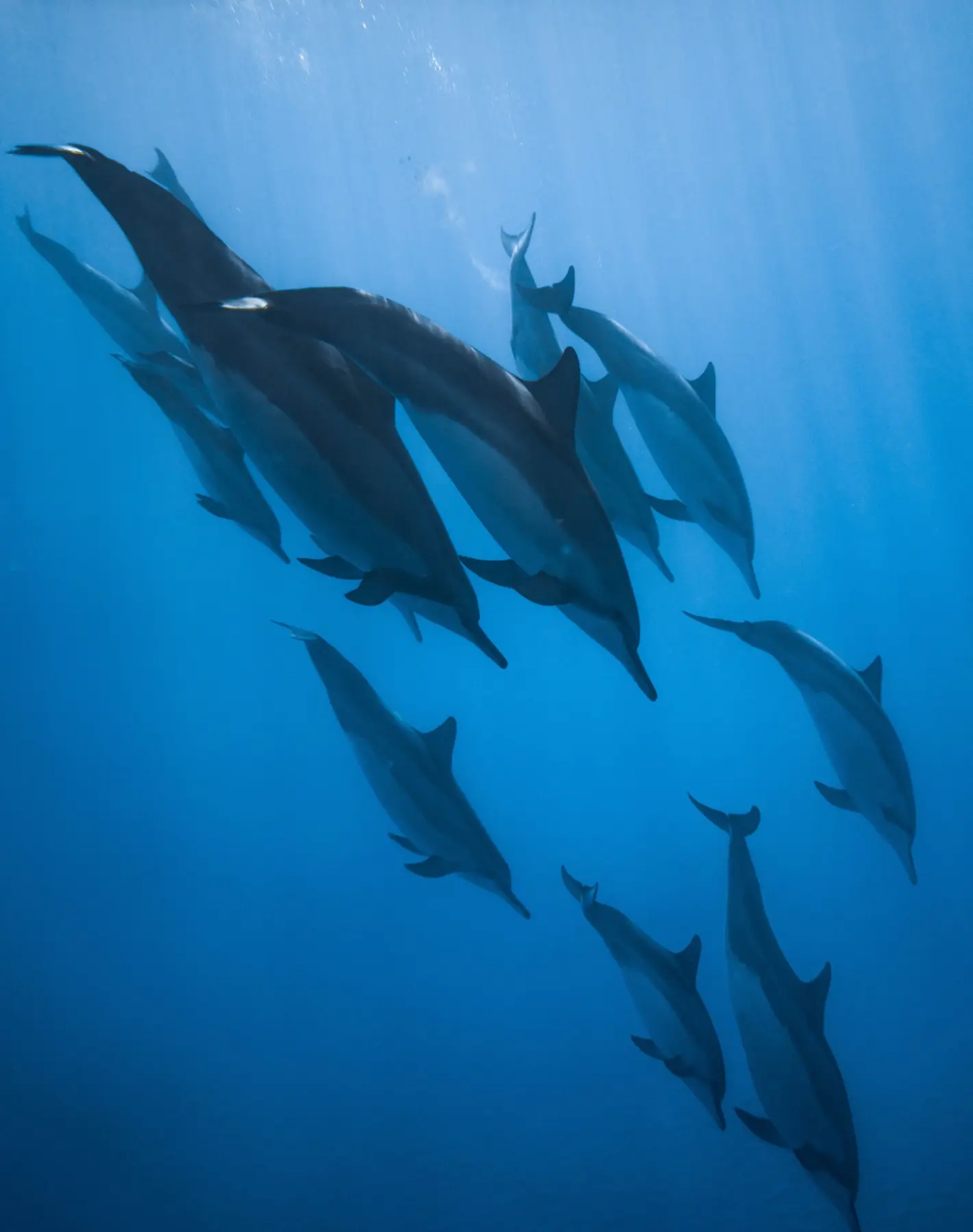
Sri Lankan waters support several dolphin species, including spinner and bottlenose dolphins. Responsible wildlife watching and bycatch reduction are especially relevant where tourism and fisheries overlap.
Where CuteFela discusses a species in Sri Lanka, the local context stays specific by considering the habitat involved, whether the species is native, how people and wildlife share space, and which conservation tools are relevant. For species that do not occur on the island, the guide says so directly.
Start with specialist sources.
Conservation assessments are periodically updated. Use the linked specialist and institutional sources for the latest status, range and management information.
NOAA Fisheries Dolphins & porpoises ↗International Whaling Commission ↗