
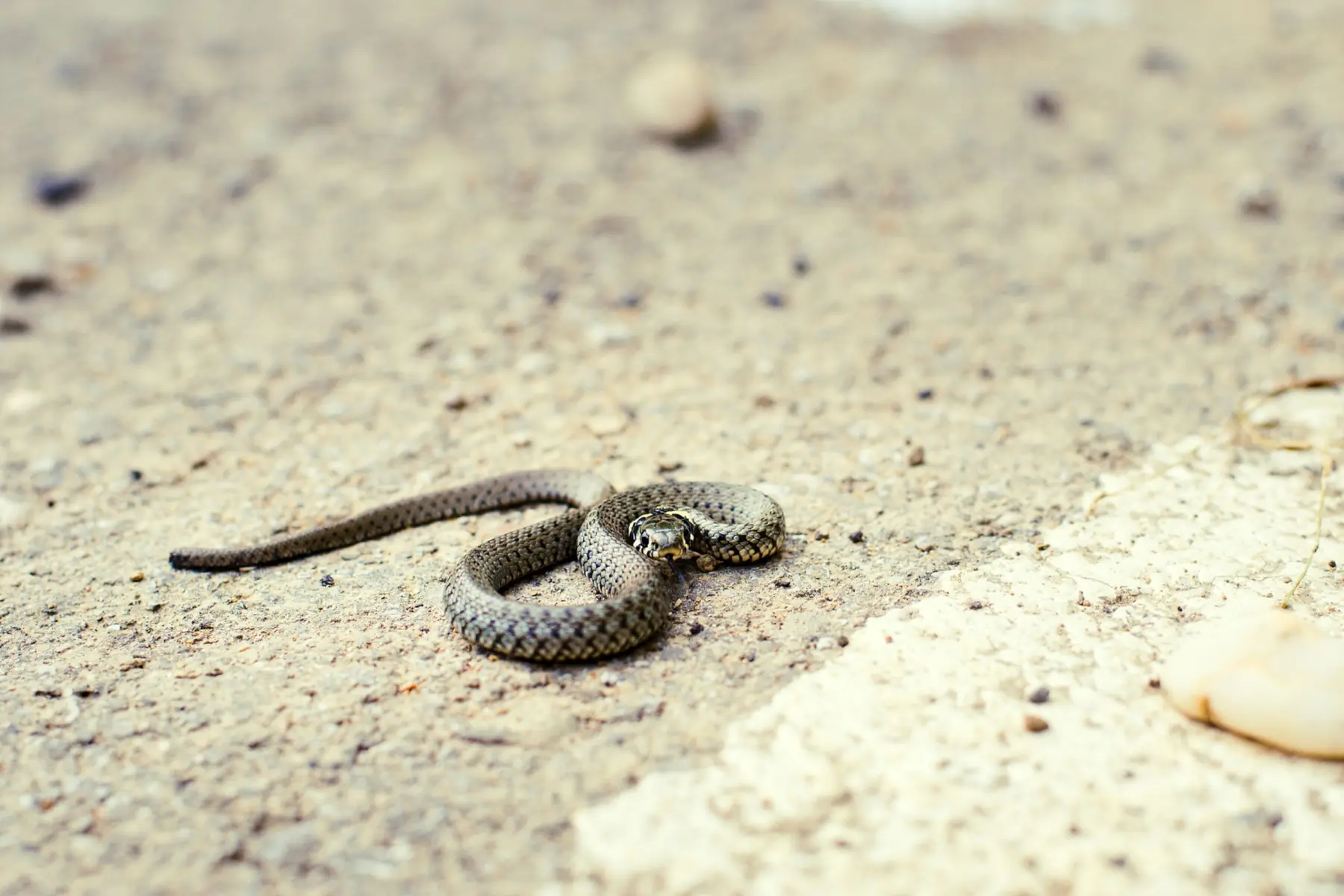
Built for a particular place and way of living.
Snakes include thousands of species, from tiny leaf litter specialists to large constrictors and highly venomous predators. Treating them as one conservation category hides enormous differences in ecology, risk and status.
Range. Most terrestrial regions except Antarctica, with marine snakes extending across tropical seas.
Habitat. Forests, grasslands, wetlands, farms, deserts, freshwater and ocean environments.
Natural history
Food and feeding. All snakes are predators, taking prey such as rodents, frogs, lizards, birds, eggs, fish and other snakes depending on species.
Reproduction and life history. Some lay eggs while others give birth to live young. Reproductive rate and parental behaviour vary widely.
Conservation priorities depend on the species’ biology, habitat, range and rate of reproduction. These factors shape how quickly a population can recover and which pressures require the most attention.
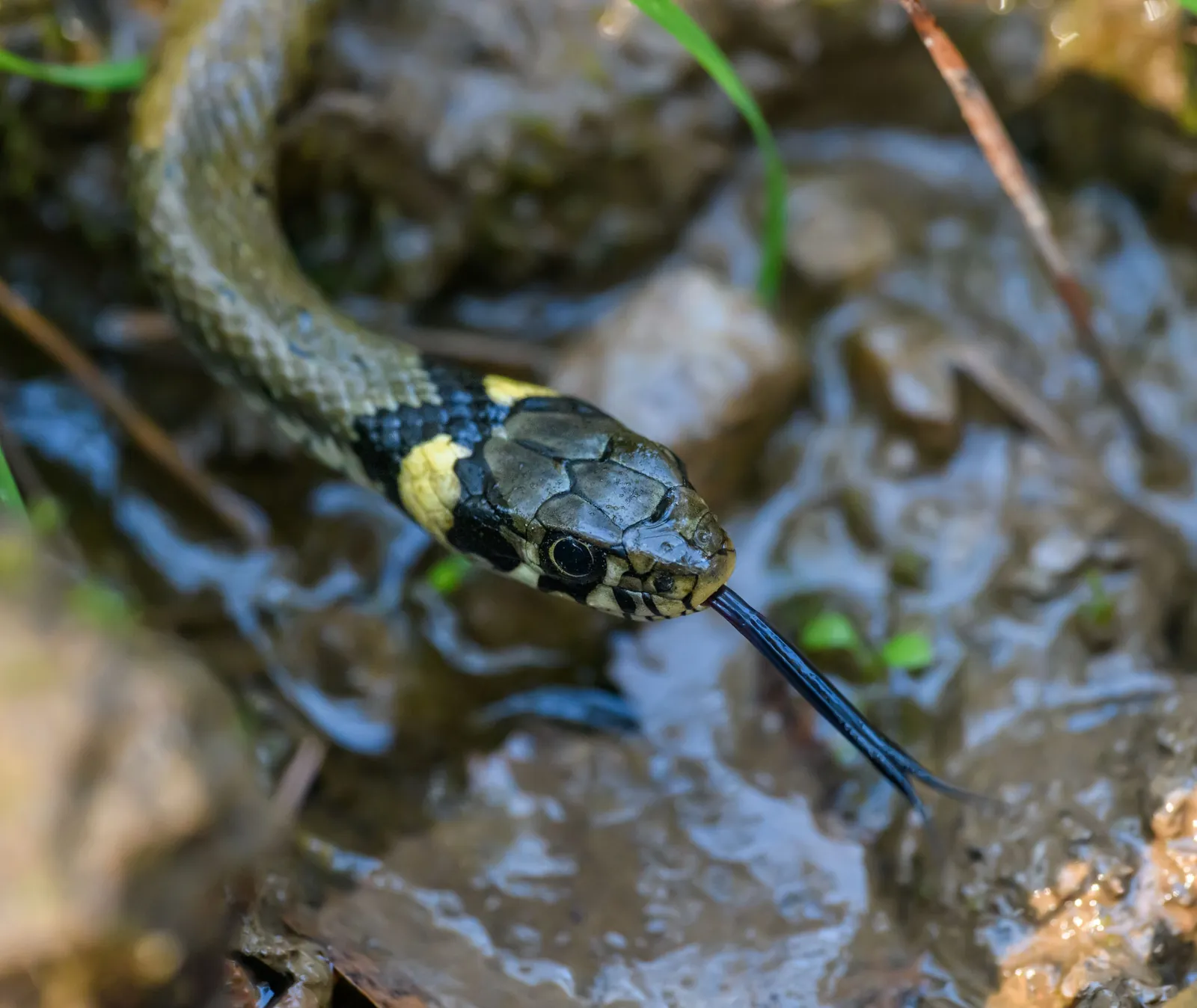
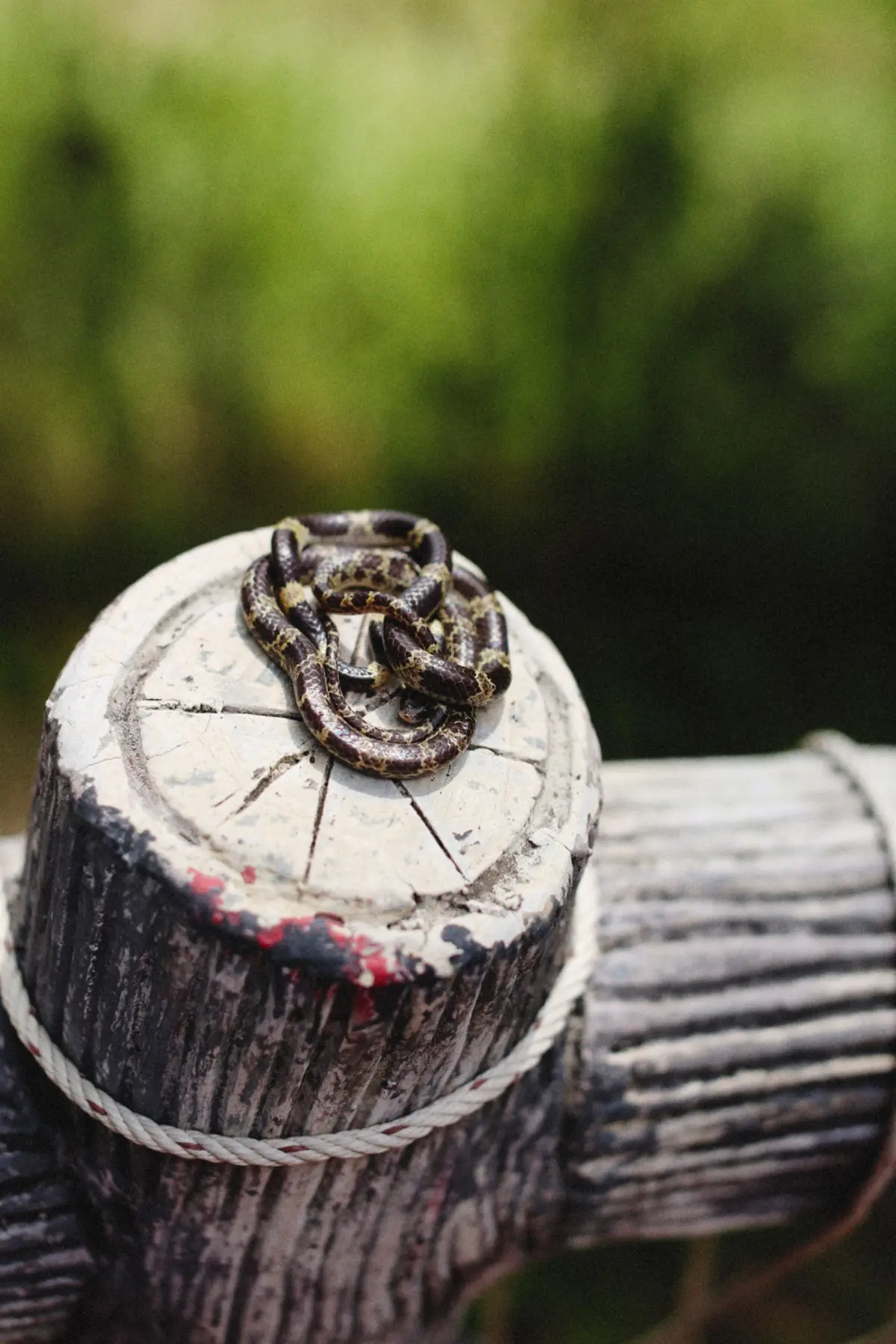
What role does it play?
Snakes regulate prey populations and are themselves food for birds, mammals and other reptiles; many are important in agricultural landscapes.
Ecological roles are rarely isolated. Predators depend on prey, grazers depend on productive vegetation, marine species depend on currents and nursery habitats, and forest species may depend on canopy connections that extend beyond protected area boundaries. Protecting a species often becomes a question about the wider system that keeps its life cycle possible.
Pressure and practical action
Threats vary between populations and places, so the list below is a guide to the major pressures associated with this species or group rather than a claim that every population faces every threat equally.
Key pressures
- Habitat loss and road mortality
- Deliberate killing driven by fear or misidentification
- Illegal collection for trade
- Pollution and declines in prey for some specialists
What helps
- Learn species level identification rather than assuming every snake is dangerous
- Keep habitat corridors and wetland/forest refuges
- Use professional snake rescue practices around homes
- Protect threatened endemic species and reduce road mortality
Sri Lanka context
Sri Lanka has a rich snake fauna that includes endemic species and several medically important venomous snakes. Public safety and snake conservation both benefit from accurate identification, reducing unnecessary handling and using trained responders when a snake must be moved.
Where CuteFela discusses a species in Sri Lanka, the local context stays specific by considering the habitat involved, whether the species is native, how people and wildlife share space, and which conservation tools are relevant. For species that do not occur on the island, the guide says so directly.
Start with specialist sources.
Conservation assessments are periodically updated. Use the linked specialist and institutional sources for the latest status, range and management information.
Sri Lanka Department of Wildlife Conservation ↗IUCN Red List ↗