
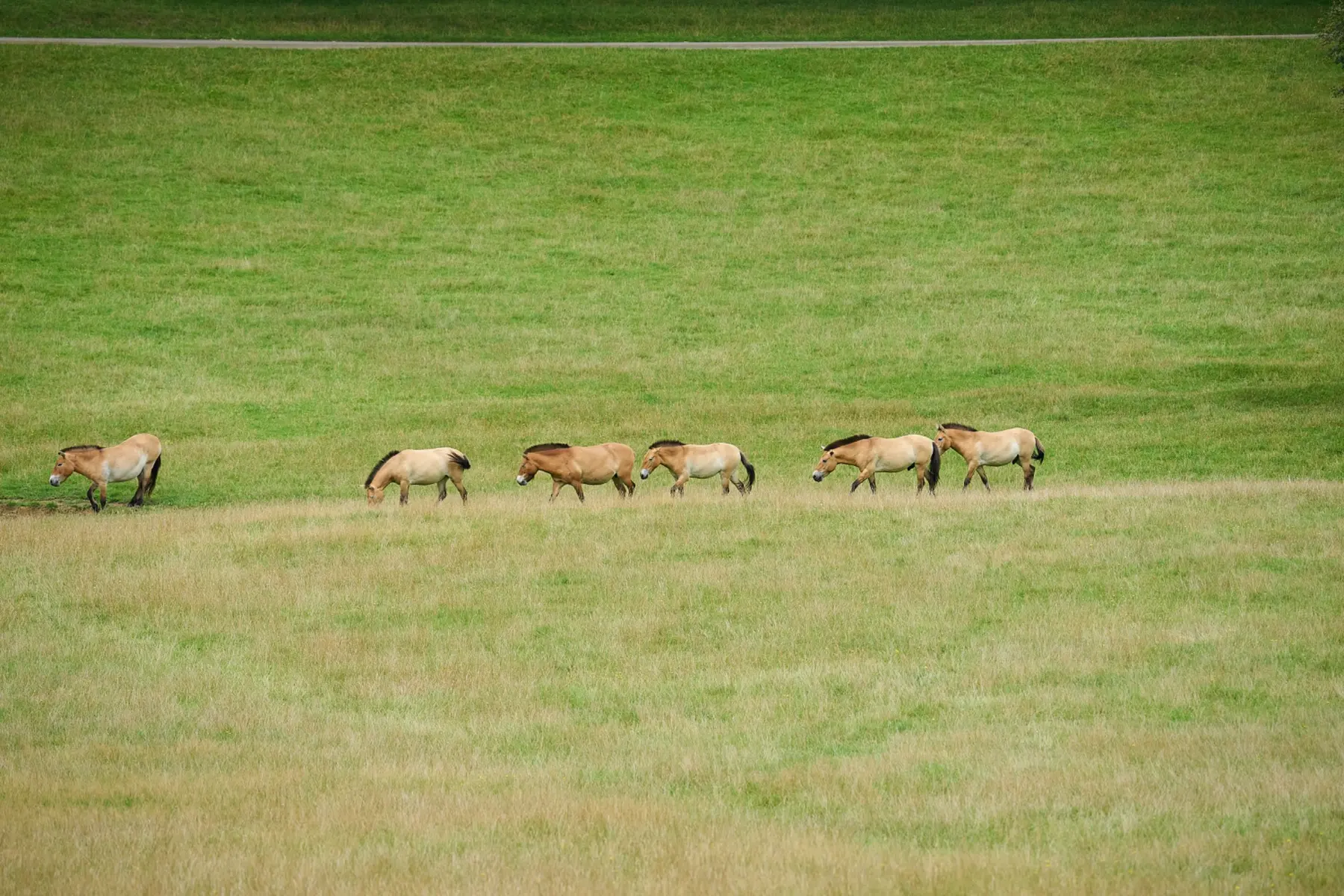
Built for a particular place and way of living.
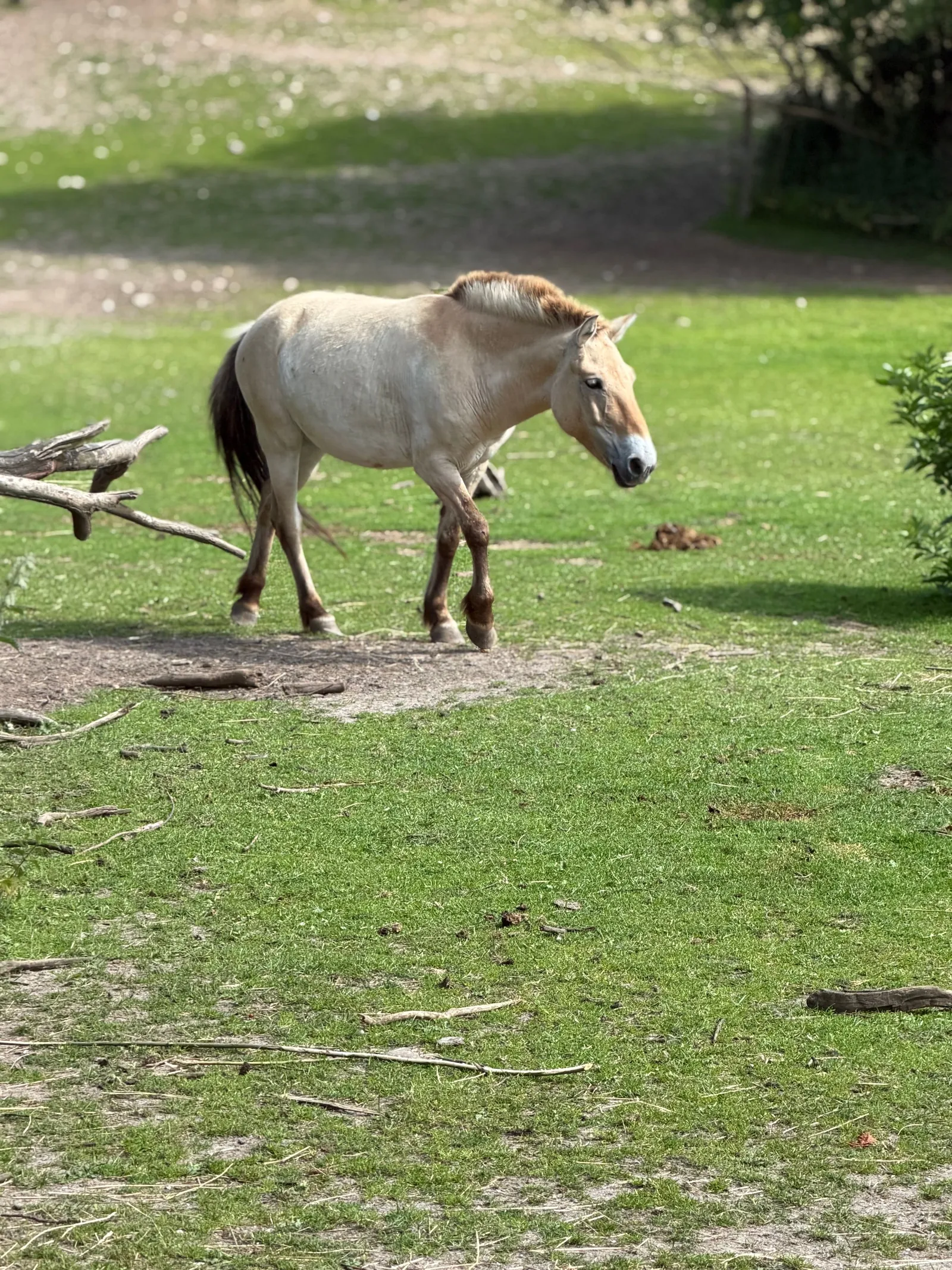
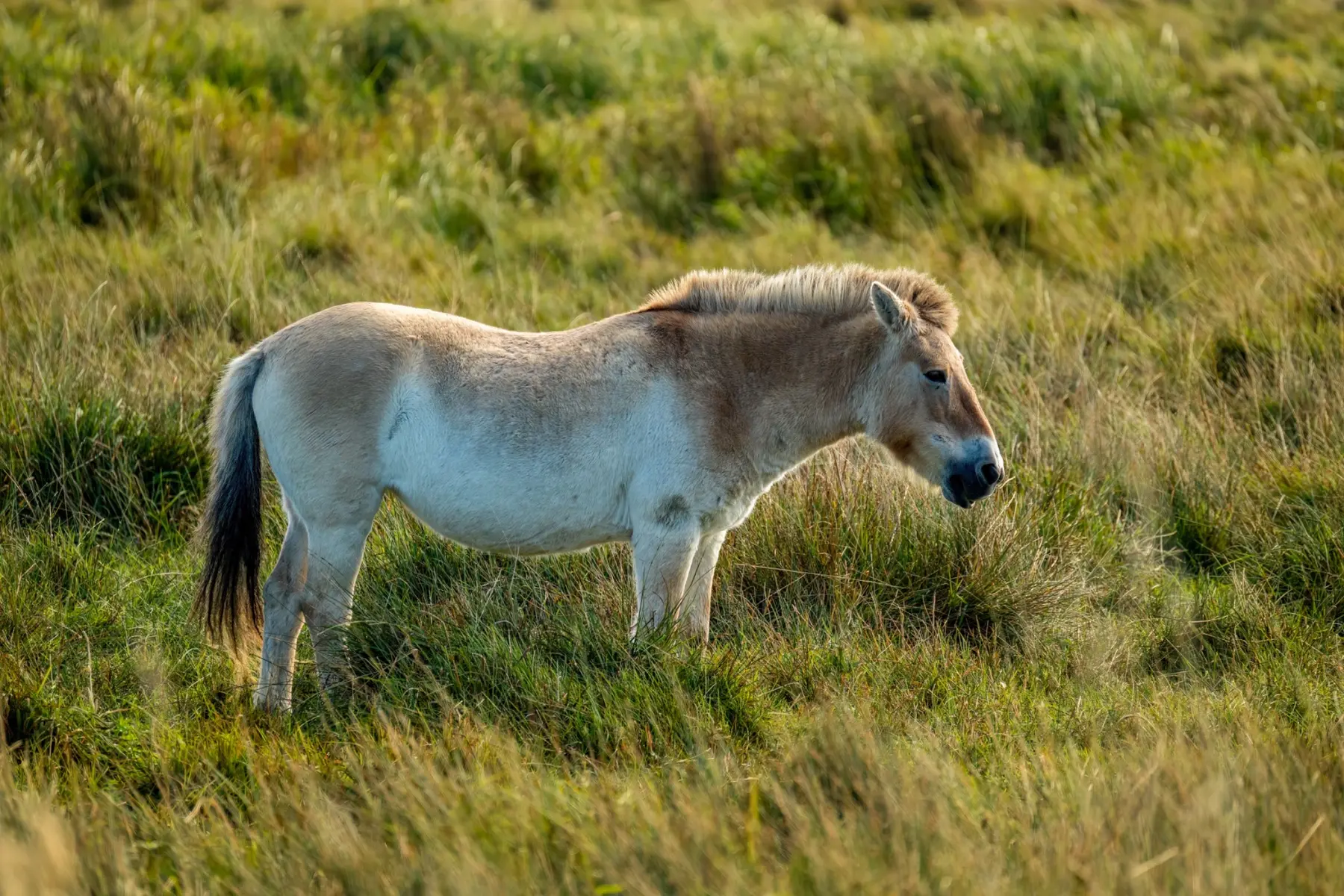
Przewalski’s horse is the last surviving truly wild horse lineage. It disappeared from the wild in the twentieth century and returned through coordinated captive breeding and reintroduction, making it a landmark case in conservation recovery.
Range. Reintroduced populations in Mongolia, China and parts of Central Asia.
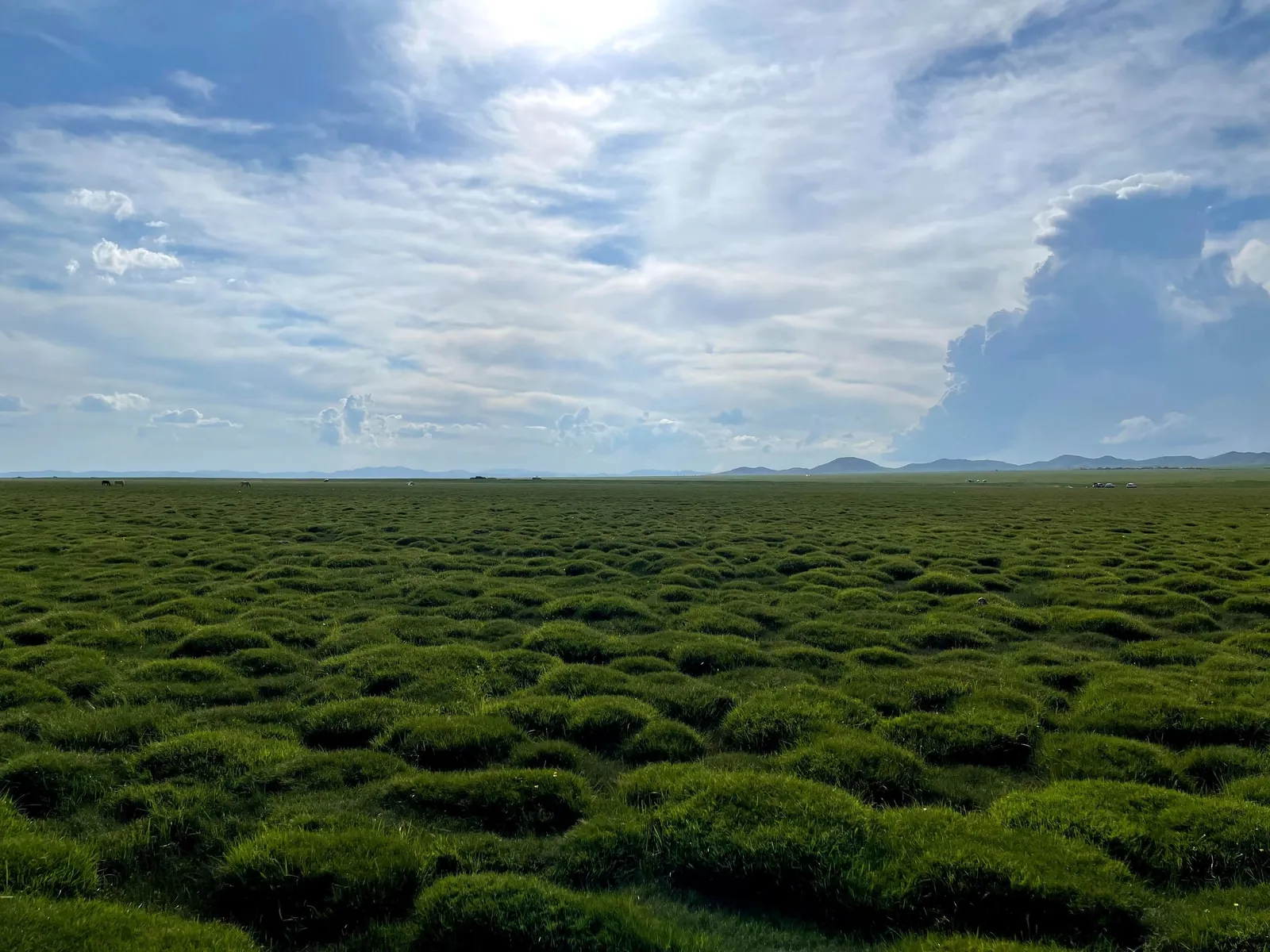
Habitat. Open steppe, semi desert and grassland with access to water.
Natural history
Food and feeding. Grasses and other steppe vegetation.
Reproduction and life history. Mares usually produce a single foal after about eleven months of gestation; social groups commonly include a stallion, mares and young.
Conservation priorities depend on the species’ biology, habitat, range and rate of reproduction. These factors shape how quickly a population can recover and which pressures require the most attention.
What role does it play?
Wild equids graze, move nutrients and contribute to the dynamics of open steppe ecosystems.
Ecological roles are rarely isolated. Predators depend on prey, grazers depend on productive vegetation, marine species depend on currents and nursery habitats, and forest species may depend on canopy connections that extend beyond protected area boundaries. Protecting a species often becomes a question about the wider system that keeps its life cycle possible.
Pressure and practical action
Threats vary between populations and places, so the list below is a guide to the major pressures associated with this species or group rather than a claim that every population faces every threat equally.
Key pressures
- Small and managed populations
- Harsh climate and extreme weather
- Competition for water or forage with livestock
- Genetic and disease risks associated with small populations
What helps
- Maintain genetically diverse managed populations
- Protect and restore large steppe landscapes
- Coordinate reintroductions with local pastoral communities
- Monitor disease, water and climate risk
Sri Lanka context
Przewalski’s horse is not native to Sri Lanka. This guide focuses on the species represented by the media and its global conservation context.
Where CuteFela discusses a species in Sri Lanka, the local context stays specific by considering the habitat involved, whether the species is native, how people and wildlife share space, and which conservation tools are relevant. For species that do not occur on the island, the guide says so directly.
Start with specialist sources.
Conservation assessments are periodically updated. Use the linked specialist and institutional sources for the latest status, range and management information.
Smithsonian Przewalski’s horse ↗IUCN Red List ↗