
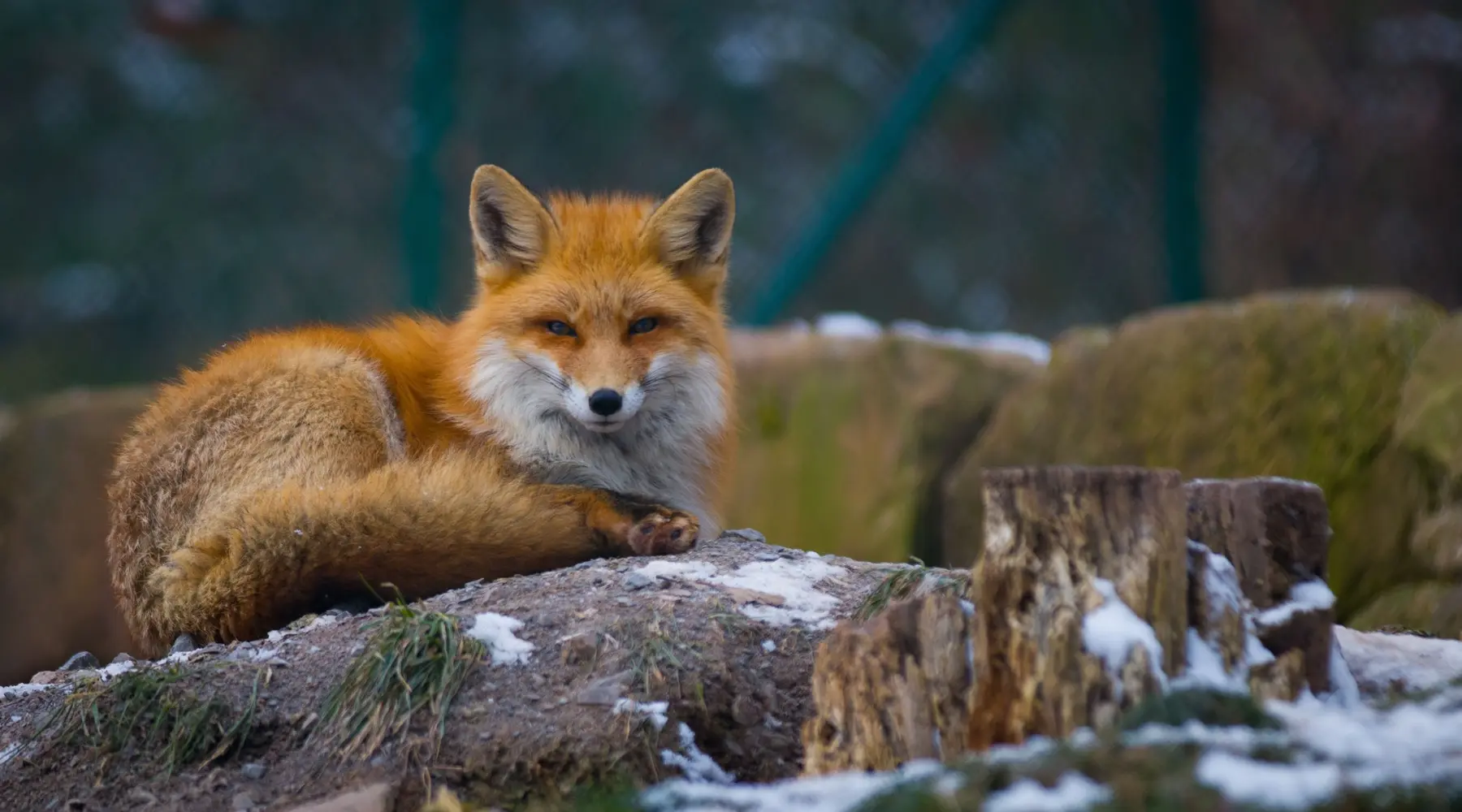
Built for a particular place and way of living.
“Fox” describes a group of small and medium sized canids adapted to environments ranging from Arctic tundra to deserts and cities. Different species have very different conservation needs, so identification matters.
Range. North and South America, Europe, Asia and Africa depending on species; introduced red foxes also occur in Australia.
Habitat. Tundra, forests, grasslands, deserts, mountains, farms and urban areas.
Natural history
Food and feeding. Flexible omnivores and predators, often eating rodents, insects, birds, fruit and carrion.
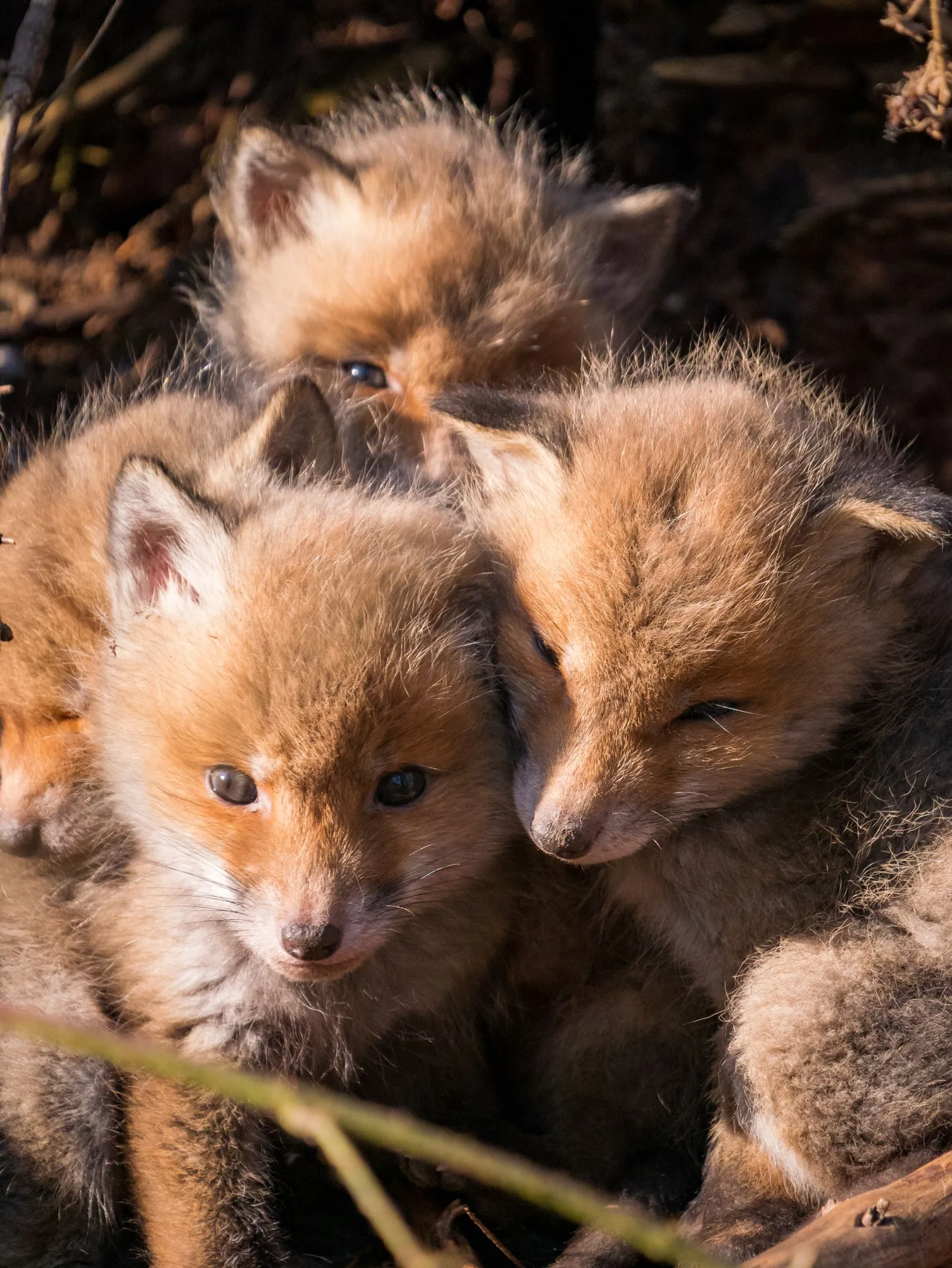
Reproduction and life history. Most species breed seasonally and raise pups in dens, with both parents sometimes contributing to care.
Conservation priorities depend on the species’ biology, habitat, range and rate of reproduction. These factors shape how quickly a population can recover and which pressures require the most attention.

What role does it play?
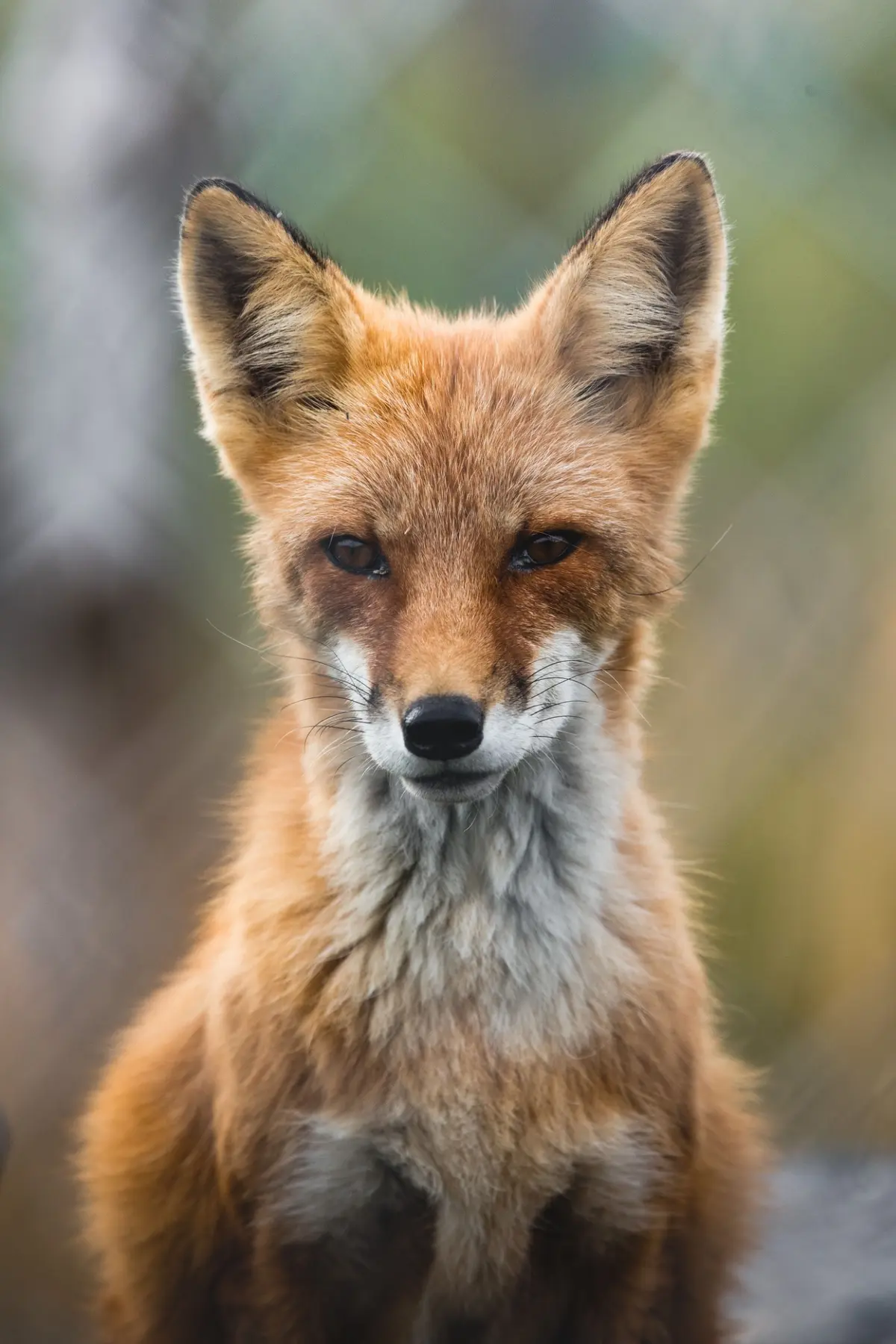
Foxes can regulate rodents and other small prey, disperse seeds and scavenge carrion.
Ecological roles are rarely isolated. Predators depend on prey, grazers depend on productive vegetation, marine species depend on currents and nursery habitats, and forest species may depend on canopy connections that extend beyond protected area boundaries. Protecting a species often becomes a question about the wider system that keeps its life cycle possible.
Pressure and practical action
Threats vary between populations and places, so the list below is a guide to the major pressures associated with this species or group rather than a claim that every population faces every threat equally.
Key pressures
- Habitat loss for range restricted species
- Persecution and predator control programmes
- Disease and road mortality
- Introduced species impacts in places such as Australia
What helps
- Manage at the correct species and ecosystem scale
- Reduce indiscriminate poisoning and trapping
- Protect threatened specialist habitat
- Control invasive fox populations where they threaten native wildlife
Sri Lanka context
Sri Lanka has no native true fox in the genus Vulpes. The golden jackal, which people may casually compare with a fox, is a different canid and should be identified separately.
Where CuteFela discusses a species in Sri Lanka, the local context stays specific by considering the habitat involved, whether the species is native, how people and wildlife share space, and which conservation tools are relevant. For species that do not occur on the island, the guide says so directly.
Start with specialist sources.
Conservation assessments are periodically updated. Use the linked specialist and institutional sources for the latest status, range and management information.
IUCN Canid Specialist Group ↗IUCN Red List ↗