
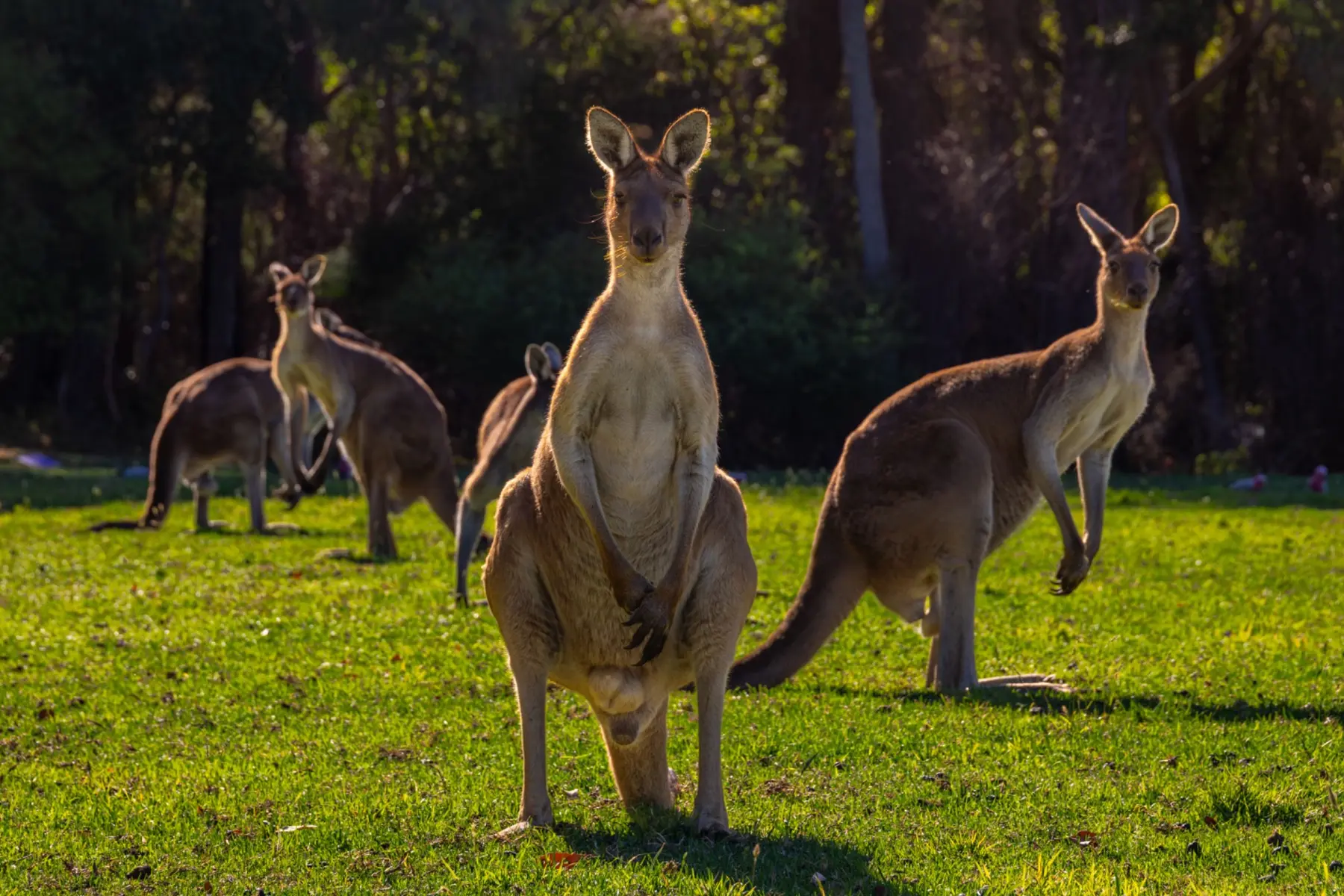
Built for a particular place and way of living.
Kangaroos and wallabies are marsupials whose hopping locomotion, specialised grazing and pouch reared young are closely tied to Australian ecosystems. The family includes common species as well as much rarer ones.
Range. Australia, New Guinea and nearby islands depending on species.
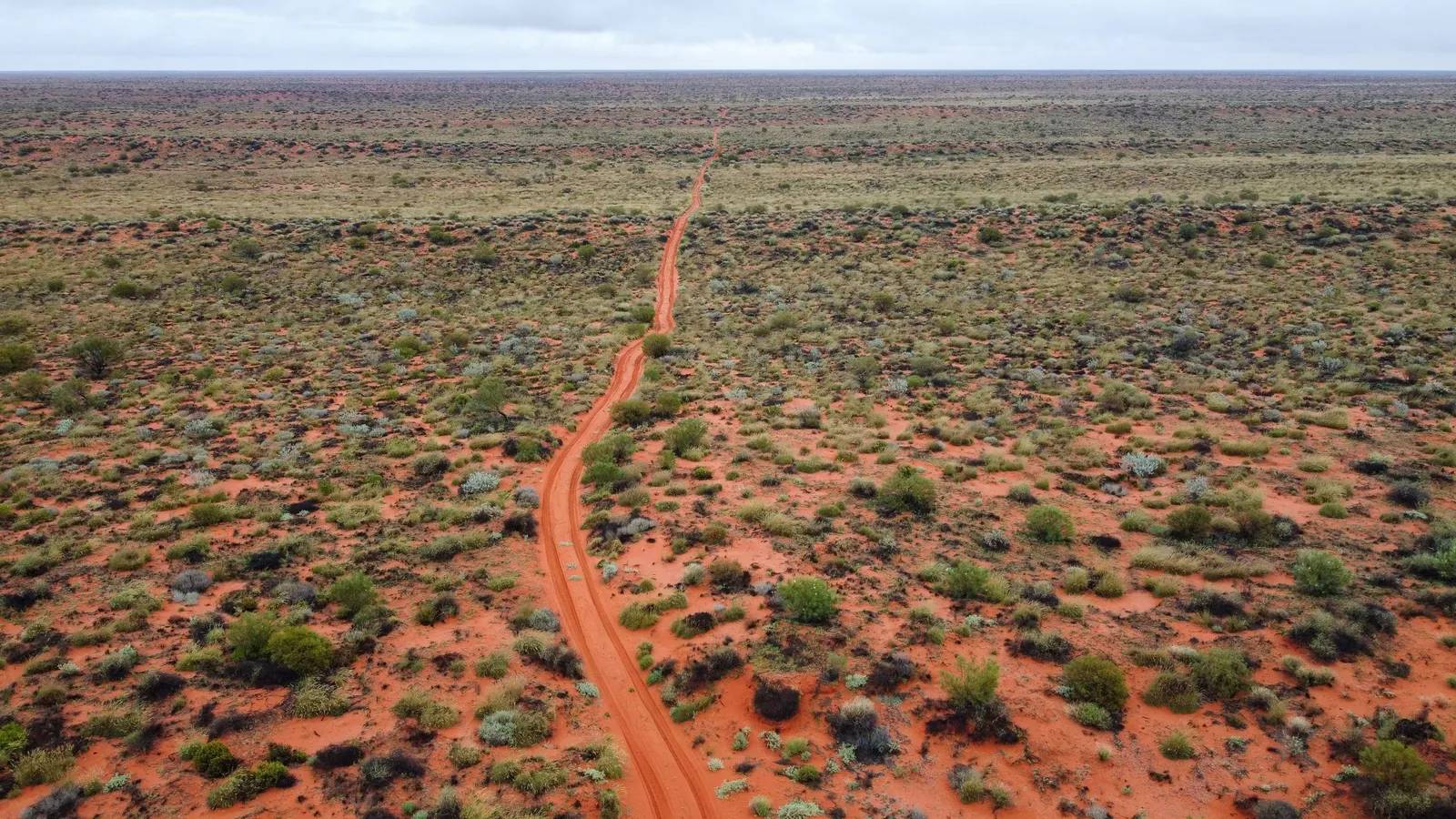
Habitat. Grassland, woodland, forest, shrubland and arid country.
Natural history
Food and feeding. Mostly grasses, leaves and other vegetation.
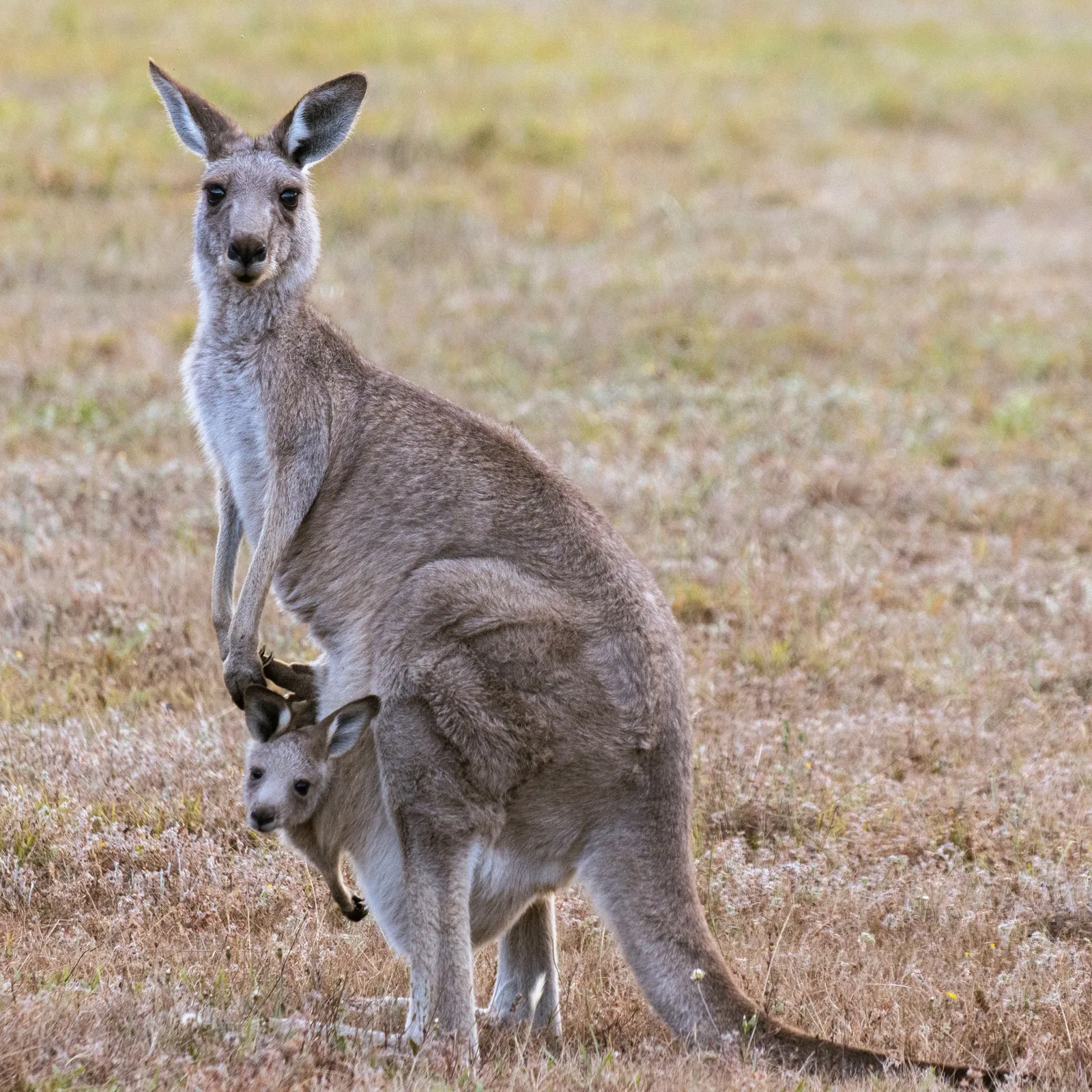
Reproduction and life history. Females give birth to extremely undeveloped young that continue growing in the pouch; some species can pause embryo development under certain conditions.
Conservation priorities depend on the species’ biology, habitat, range and rate of reproduction. These factors shape how quickly a population can recover and which pressures require the most attention.
What role does it play?
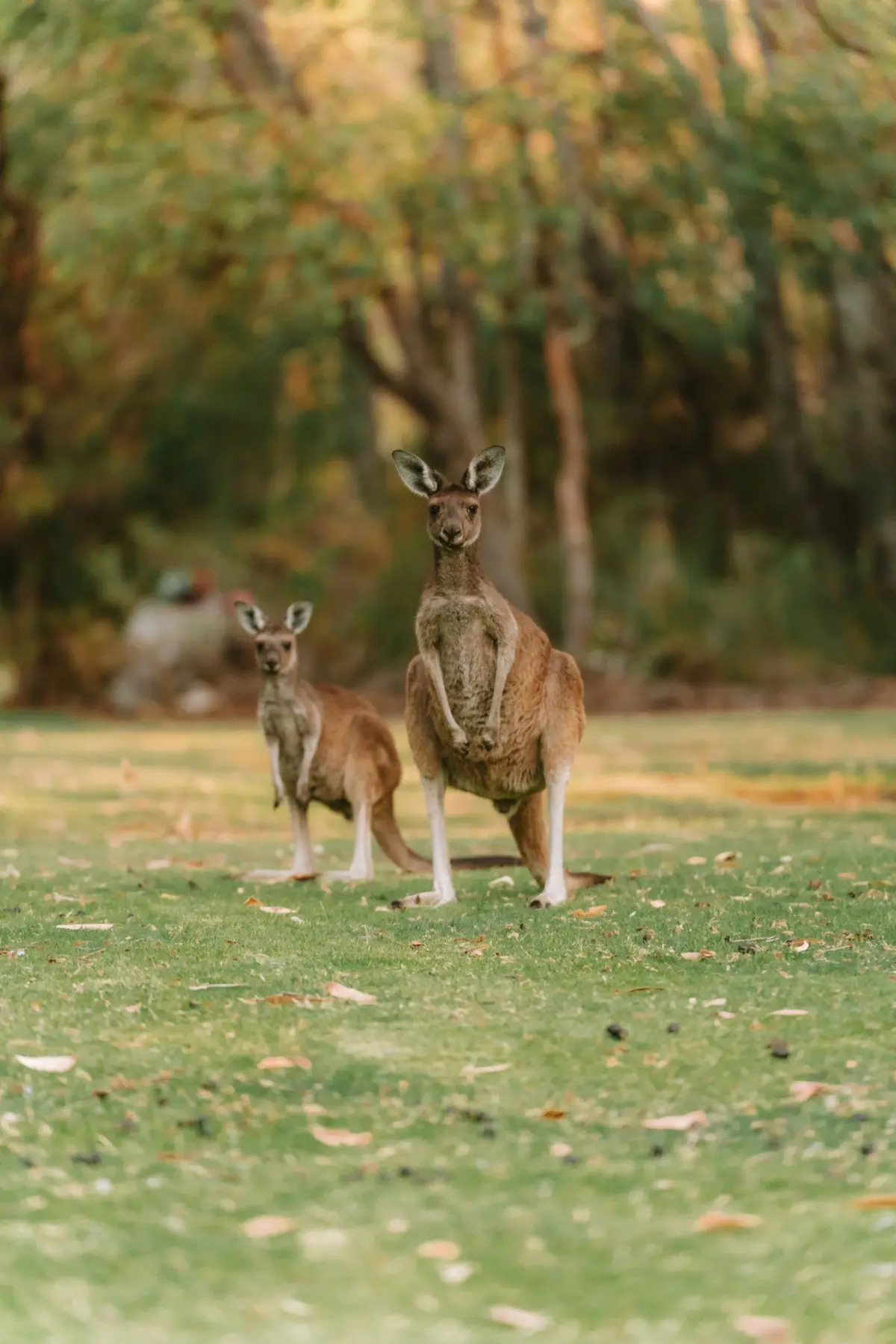
Large kangaroos are important grazers and influence vegetation structure, while smaller macropods fill diverse browsing and seed dispersal roles.
Ecological roles are rarely isolated. Predators depend on prey, grazers depend on productive vegetation, marine species depend on currents and nursery habitats, and forest species may depend on canopy connections that extend beyond protected area boundaries. Protecting a species often becomes a question about the wider system that keeps its life cycle possible.
Pressure and practical action
Threats vary between populations and places, so the list below is a guide to the major pressures associated with this species or group rather than a claim that every population faces every threat equally.
Key pressures
- Habitat loss for restricted species
- Predation by introduced predators
- Road mortality and fencing
- Climate extremes and altered fire regimes
What helps
- Protect habitat mosaics and refuges
- Control invasive predators where needed
- Plan roads and fences for wildlife movement
- Manage fire with local ecological knowledge
Sri Lanka context
Kangaroos are not native to Sri Lanka. Their page represents the wider global scope of CuteFela’s wildlife education rather than a local species programme.
Where CuteFela discusses a species in Sri Lanka, the local context stays specific by considering the habitat involved, whether the species is native, how people and wildlife share space, and which conservation tools are relevant. For species that do not occur on the island, the guide says so directly.
Start with specialist sources.
Conservation assessments are periodically updated. Use the linked specialist and institutional sources for the latest status, range and management information.
Australian Government Species Profile and Threats Database ↗IUCN Red List ↗