
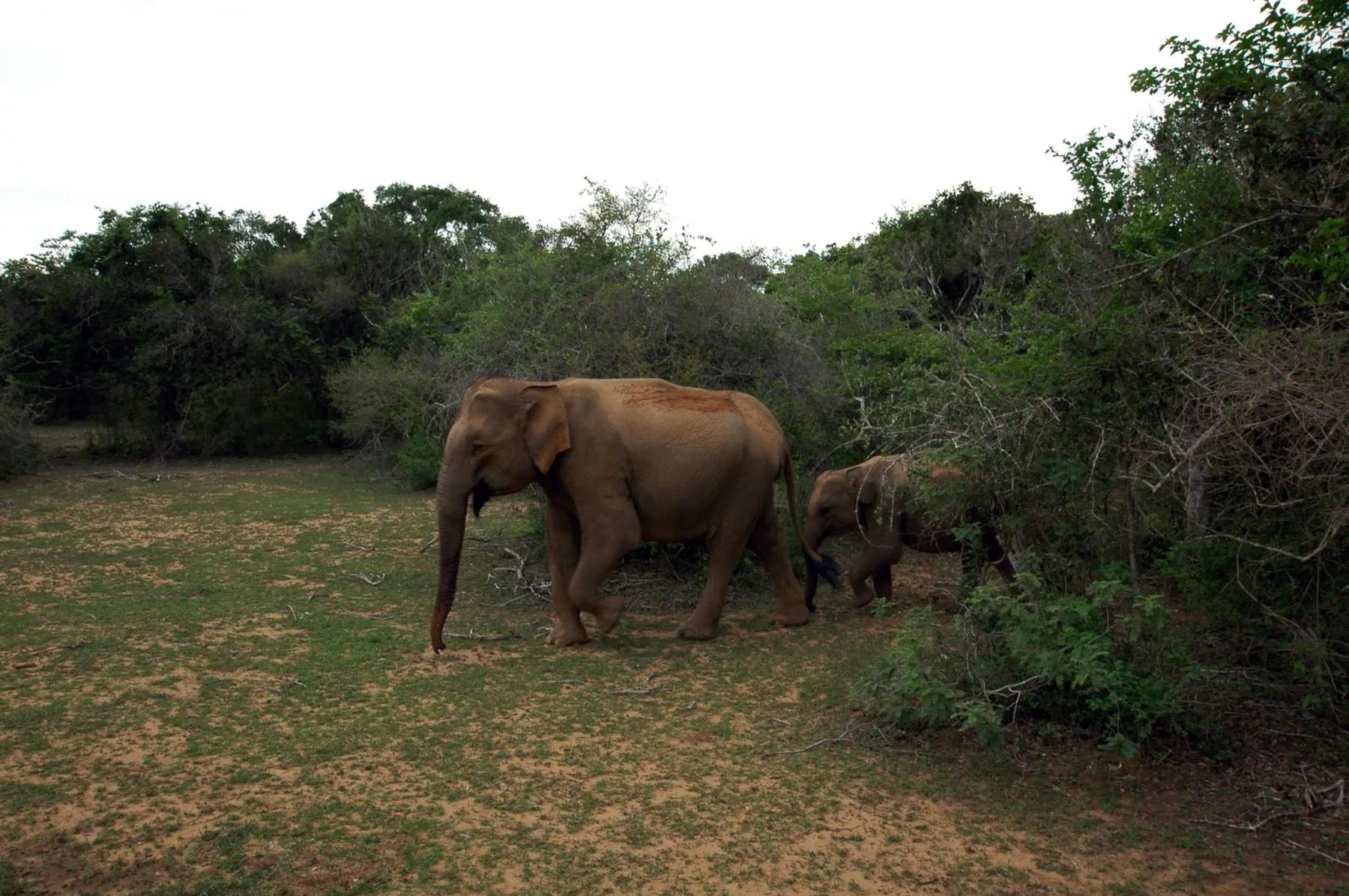
Built for a particular place and way of living.
Asian elephants are ecosystem engineers whose movements require large, connected landscapes. They also live close to dense human populations, making coexistence, land use planning and safe movement corridors central to their future.
Range. Fragmented populations across South and Southeast Asia.
Habitat. Tropical and subtropical forest, grassland, scrub and human modified mosaics.
Natural history
Food and feeding. Grasses, leaves, bark, roots, fruit and crops; adults spend much of the day feeding and searching for water.
Reproduction and life history. Females have a gestation of roughly 22 months, the longest of any land mammal, and calves depend on mothers and social groups for years.
Conservation priorities depend on the species’ biology, habitat, range and rate of reproduction. These factors shape how quickly a population can recover and which pressures require the most attention.
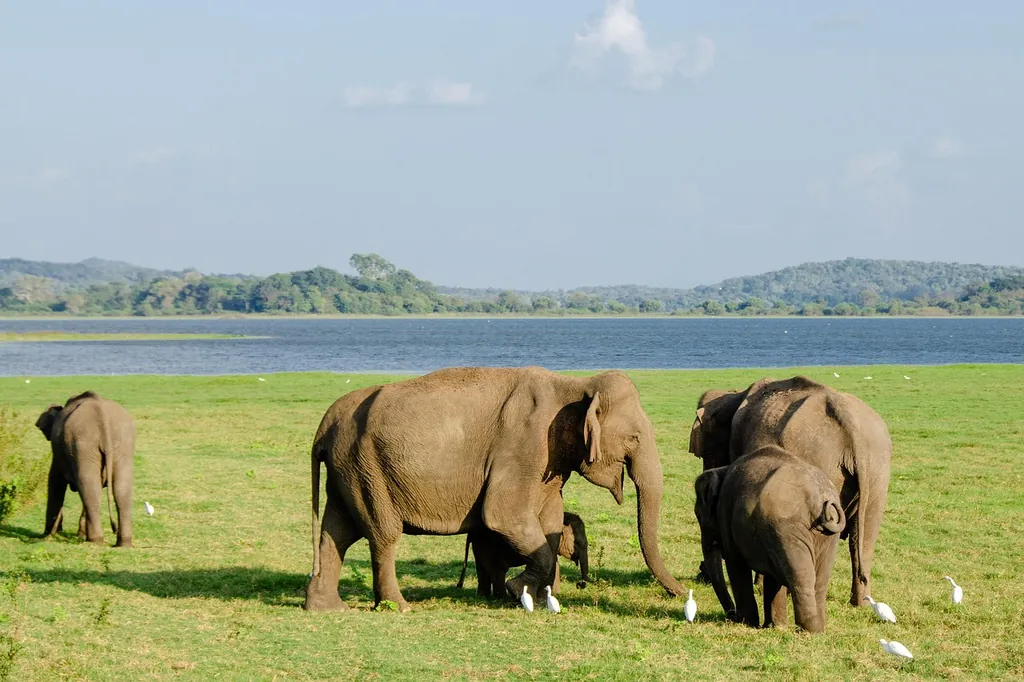
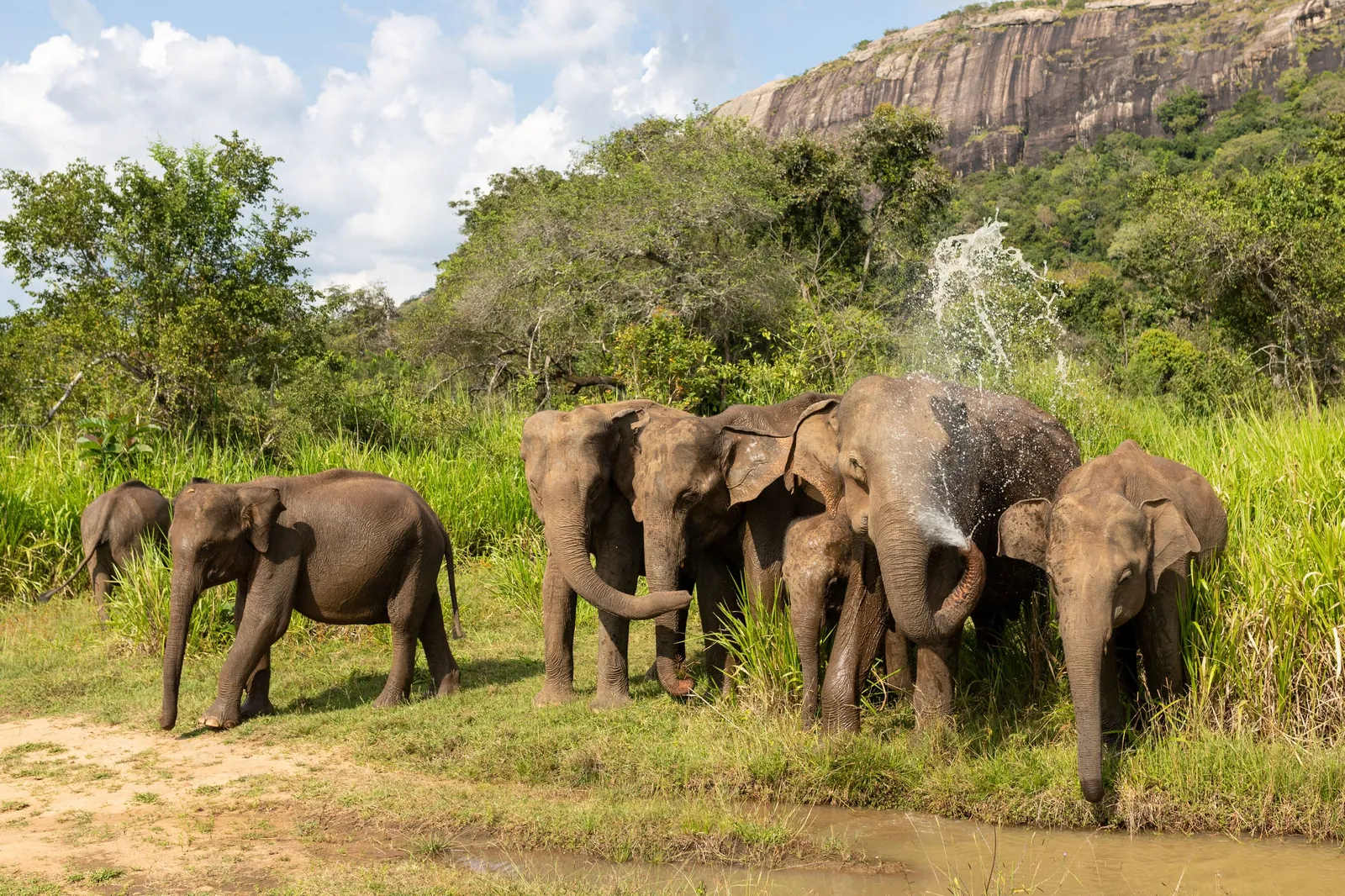
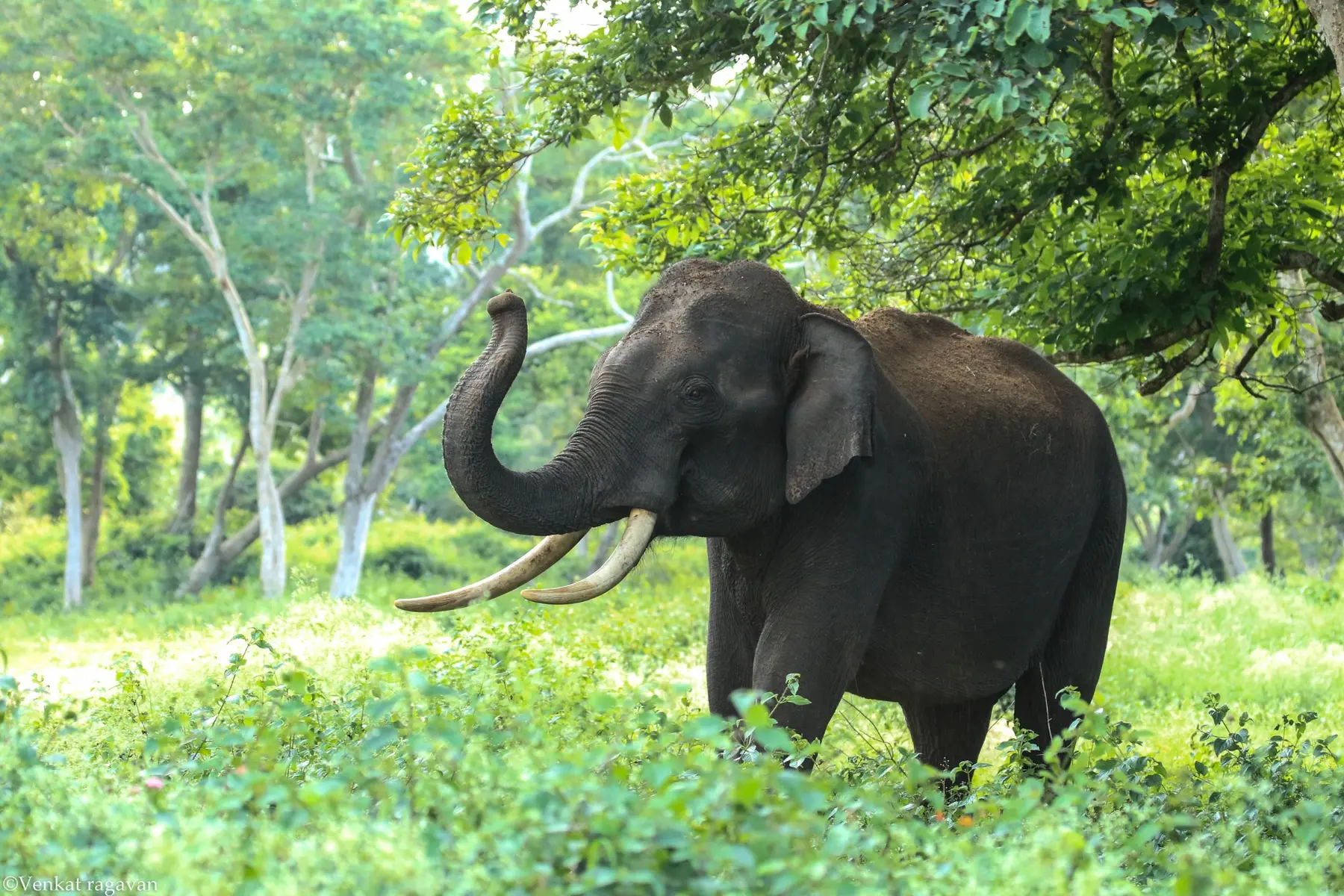
What role does it play?
Elephants open pathways, disperse seeds, modify vegetation and create access to water and resources used by other wildlife.
Ecological roles are rarely isolated. Predators depend on prey, grazers depend on productive vegetation, marine species depend on currents and nursery habitats, and forest species may depend on canopy connections that extend beyond protected area boundaries. Protecting a species often becomes a question about the wider system that keeps its life cycle possible.
Pressure and practical action
Threats vary between populations and places, so the list below is a guide to the major pressures associated with this species or group rather than a claim that every population faces every threat equally.
Key pressures
- Habitat loss and fragmentation
- Human elephant conflict
- Road and rail collisions
- Poaching and capture in parts of the range
What helps
- Keep movement corridors functional
- Plan infrastructure around elephant movement
- Reduce crop conflict using locally appropriate tools
- Protect herds and maintain long term demographic monitoring
Sri Lanka context
Sri Lanka supports an important population of Asian elephants, including the Sri Lankan subspecies. The central challenge is coexistence in a densely settled island where elephant ranges overlap farms, reservoirs, roads and expanding development.
Where CuteFela discusses a species in Sri Lanka, the local context stays specific by considering the habitat involved, whether the species is native, how people and wildlife share space, and which conservation tools are relevant. For species that do not occur on the island, the guide says so directly.
Start with specialist sources.
Conservation assessments are periodically updated. Use the linked specialist and institutional sources for the latest status, range and management information.
WWF Asian elephant ↗IUCN Asian Elephant Specialist Group ↗