
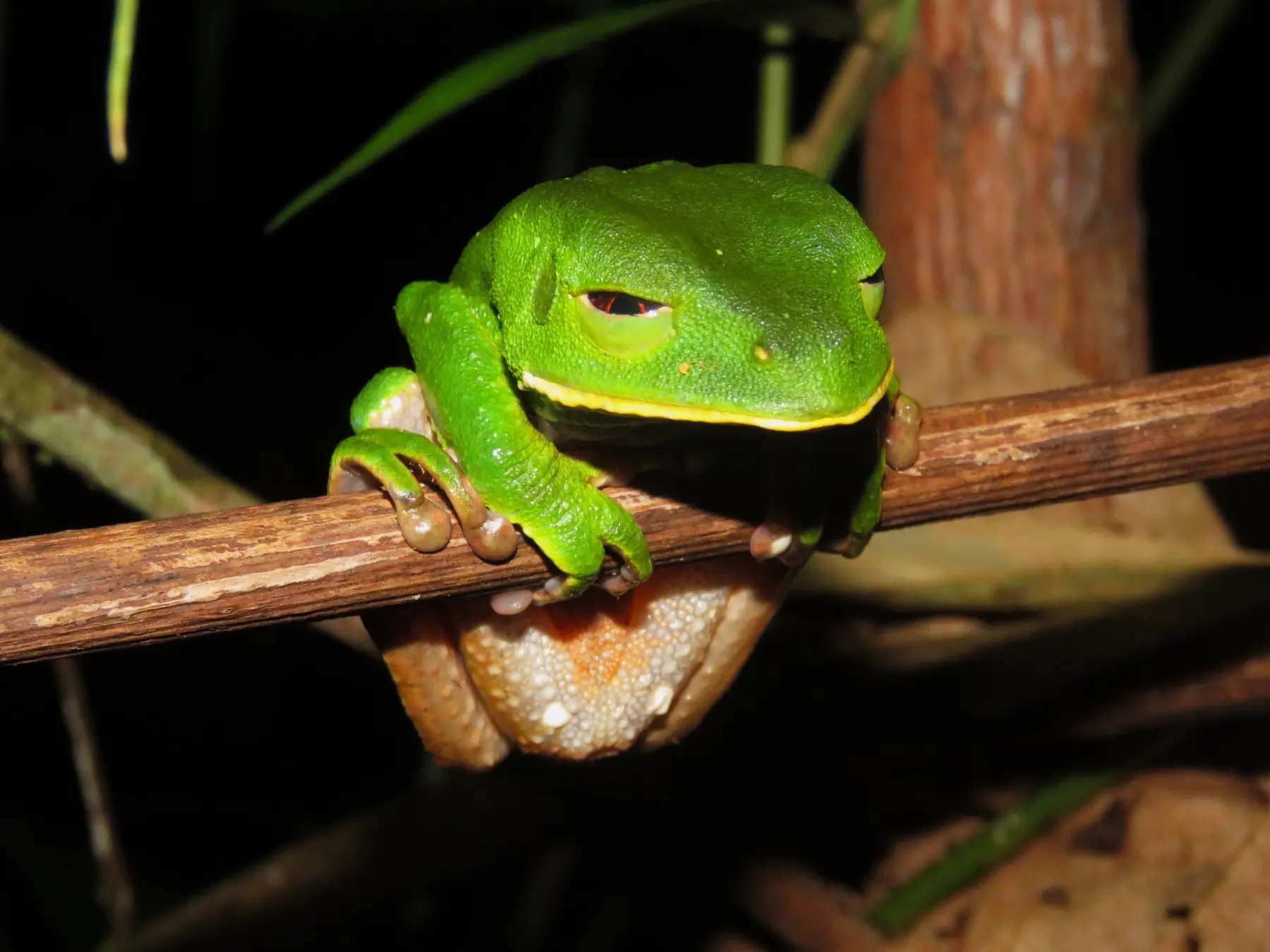
Built for a particular place and way of living.
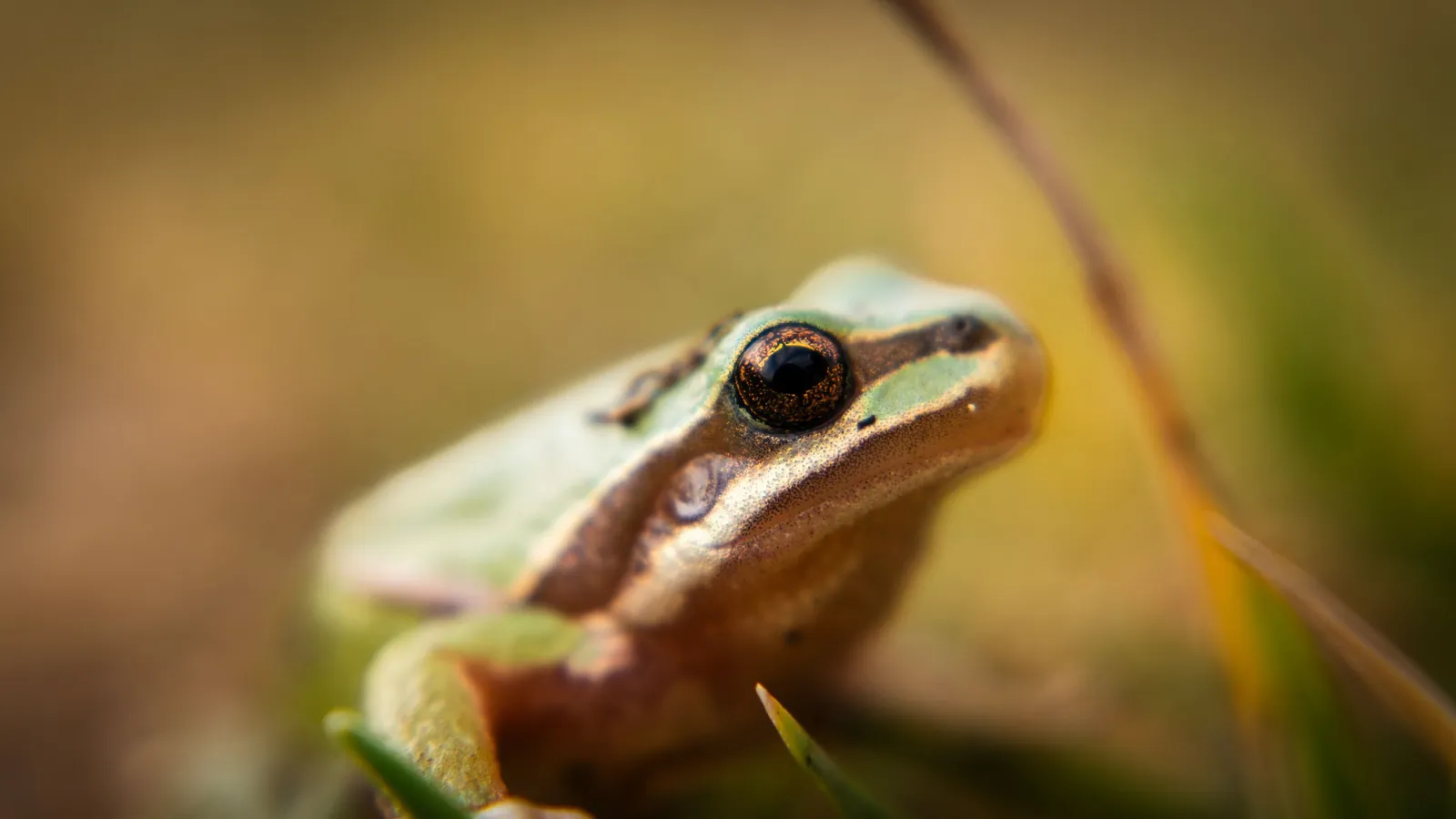
Amphibians live unusually close to the boundary between water and land. Permeable skin and complex life cycles make many species sensitive to changes in moisture, temperature, pollution and disease.
Range. Nearly worldwide, with exceptional diversity in tropical regions.
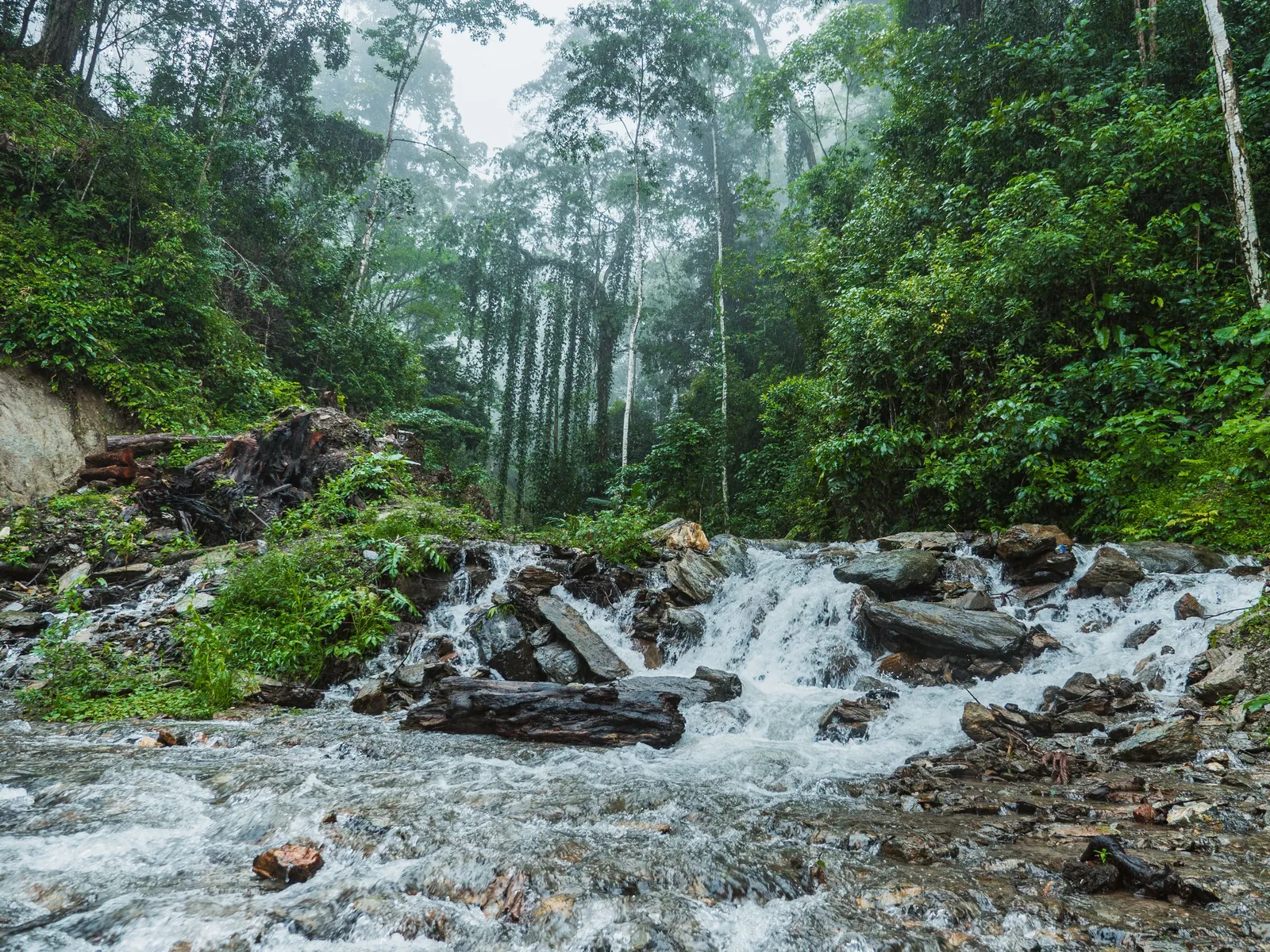
Habitat. Streams, wetlands, forest floor, tree canopies, montane forest, grasslands and even dry areas with seasonal water.
Natural history
Food and feeding. Most adult frogs are predators of insects and other small animals; tadpole diets vary widely.
Reproduction and life history. Many frogs lay eggs in water, but tropical amphibians show extraordinary strategies including foam nests, tree holes, direct development and parental care.
Conservation priorities depend on the species’ biology, habitat, range and rate of reproduction. These factors shape how quickly a population can recover and which pressures require the most attention.
What role does it play?
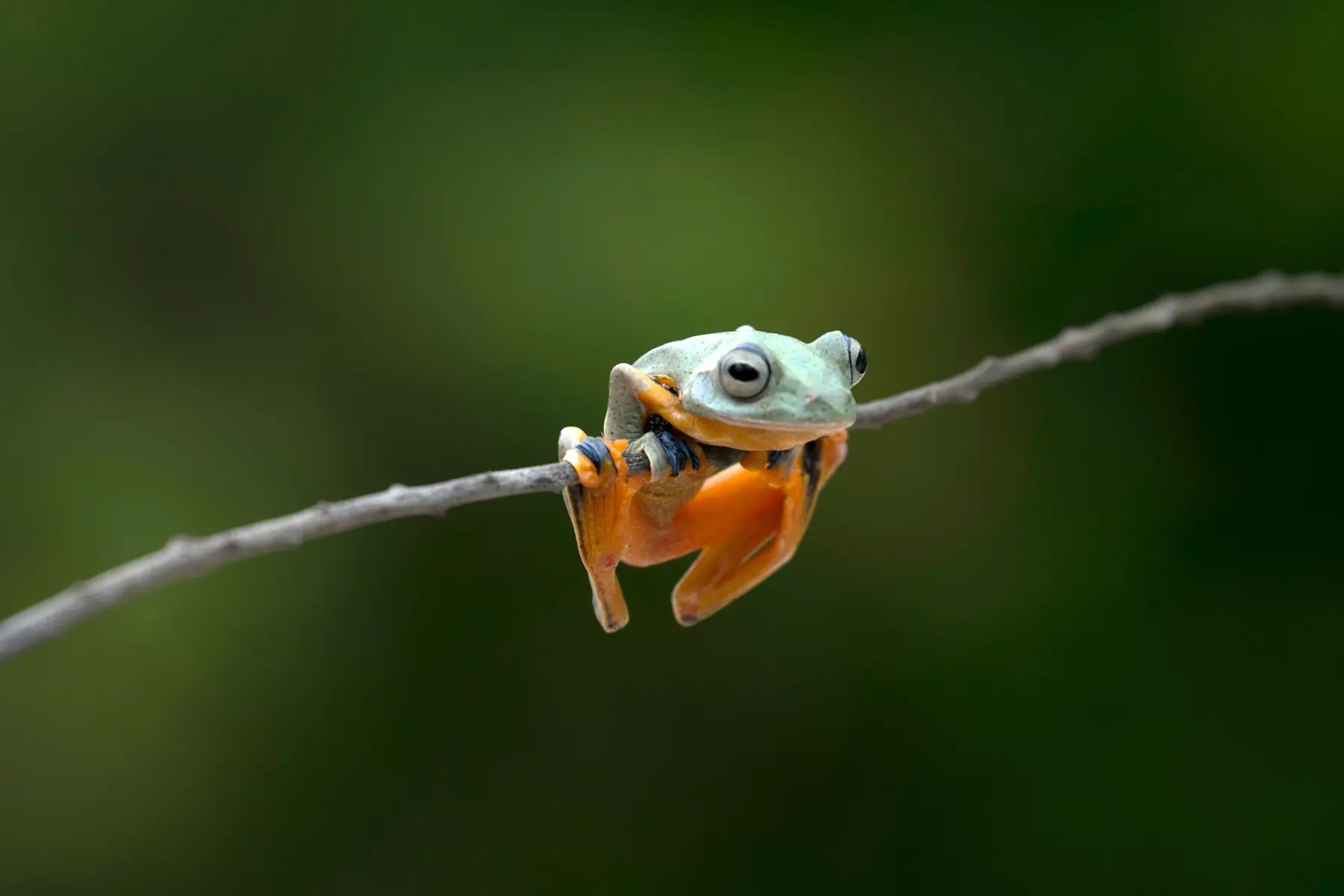
Amphibians consume huge numbers of invertebrates, feed birds, reptiles and mammals, and move energy between aquatic and terrestrial food webs.
Ecological roles are rarely isolated. Predators depend on prey, grazers depend on productive vegetation, marine species depend on currents and nursery habitats, and forest species may depend on canopy connections that extend beyond protected area boundaries. Protecting a species often becomes a question about the wider system that keeps its life cycle possible.
Pressure and practical action
Threats vary between populations and places, so the list below is a guide to the major pressures associated with this species or group rather than a claim that every population faces every threat equally.
Key pressures
- Habitat loss and fragmentation
- Chytrid fungal disease and other pathogens
- Pollution and pesticide exposure
- Climate change affecting moisture and temperature
What helps
- Protect intact forest and clean freshwater
- Prevent the spread of wildlife pathogens
- Maintain microhabitats and stream buffers
- Support rapid surveys and captive assurance populations for the most threatened species
Sri Lanka context
Sri Lanka is internationally important for amphibian diversity and endemism, especially in wet zone and montane forests. Many species occupy small ranges, so the loss of a single forest fragment or stream can have outsized consequences.
Where CuteFela discusses a species in Sri Lanka, the local context stays specific by considering the habitat involved, whether the species is native, how people and wildlife share space, and which conservation tools are relevant. For species that do not occur on the island, the guide says so directly.
Start with specialist sources.
Conservation assessments are periodically updated. Use the linked specialist and institutional sources for the latest status, range and management information.
IUCN SSC Amphibian Specialist Group ↗Amphibian Survival Alliance ↗