
Built for a particular place and way of living.
The purple faced langur is found only in Sri Lanka. It is primarily leaf eating and often lives high in the canopy, which makes continuous tree cover and safe movement routes especially important in fragmented landscapes.
Range. Endemic to Sri Lanka, with several geographically distinct forms across wet, dry and montane areas.
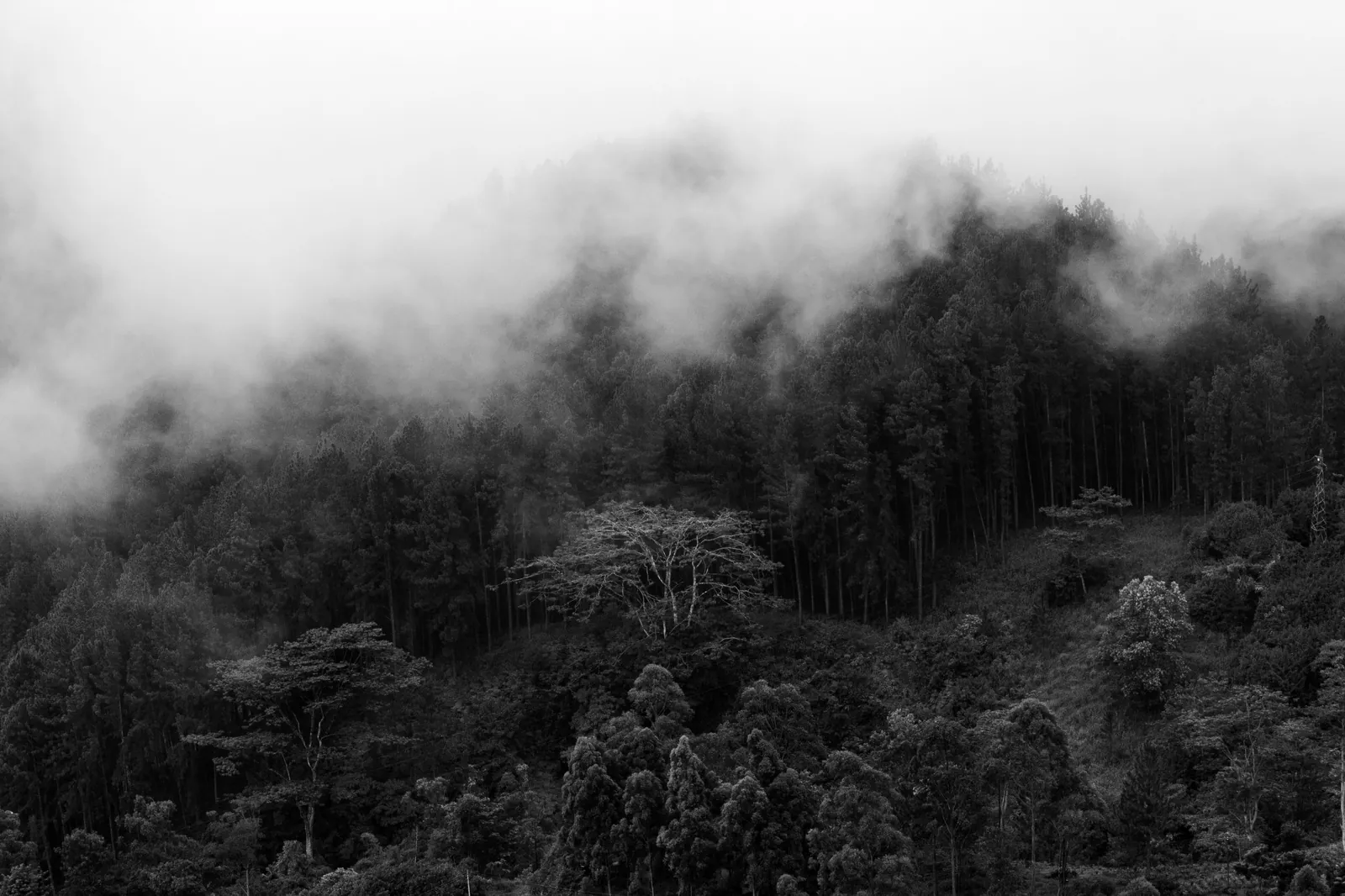
Habitat. Forests and wooded habitats, including heavily fragmented suburban landscapes in parts of the wet zone.
Natural history
Food and feeding. Mostly young and mature leaves, with fruit, flowers and other plant parts also eaten.
Reproduction and life history. Langurs live in social groups and females invest heavily in single infants; group structure and access to connected canopy matter for long term survival.
Conservation priorities depend on the species’ biology, habitat, range and rate of reproduction. These factors shape how quickly a population can recover and which pressures require the most attention.
What role does it play?
Leaf eating primates influence vegetation and can disperse some seeds, while also acting as highly visible indicators of canopy connectivity.
Ecological roles are rarely isolated. Predators depend on prey, grazers depend on productive vegetation, marine species depend on currents and nursery habitats, and forest species may depend on canopy connections that extend beyond protected area boundaries. Protecting a species often becomes a question about the wider system that keeps its life cycle possible.
Pressure and practical action
Threats vary between populations and places, so the list below is a guide to the major pressures associated with this species or group rather than a claim that every population faces every threat equally.
Key pressures
- Forest fragmentation and canopy breaks
- Electrocution and road mortality in urbanising landscapes
- Conflict around gardens and crops
- Loss of mature feeding trees
What helps
- Protect and reconnect forest canopy
- Design roads and utilities with arboreal movement in mind
- Retain large native trees in urban and agricultural landscapes
- Use community based coexistence rather than feeding or harassment
Sri Lanka context
This is a Sri Lankan endemic. there is no wild population anywhere else. Conservation therefore depends entirely on decisions made within the island, from protected forests to ordinary trees retained between fragmented habitats.
Where CuteFela discusses a species in Sri Lanka, the local context stays specific by considering the habitat involved, whether the species is native, how people and wildlife share space, and which conservation tools are relevant. For species that do not occur on the island, the guide says so directly.
Start with specialist sources.
Conservation assessments are periodically updated. Use the linked specialist and institutional sources for the latest status, range and management information.
IUCN Primate Specialist Group ↗Sri Lanka Department of Wildlife Conservation ↗