
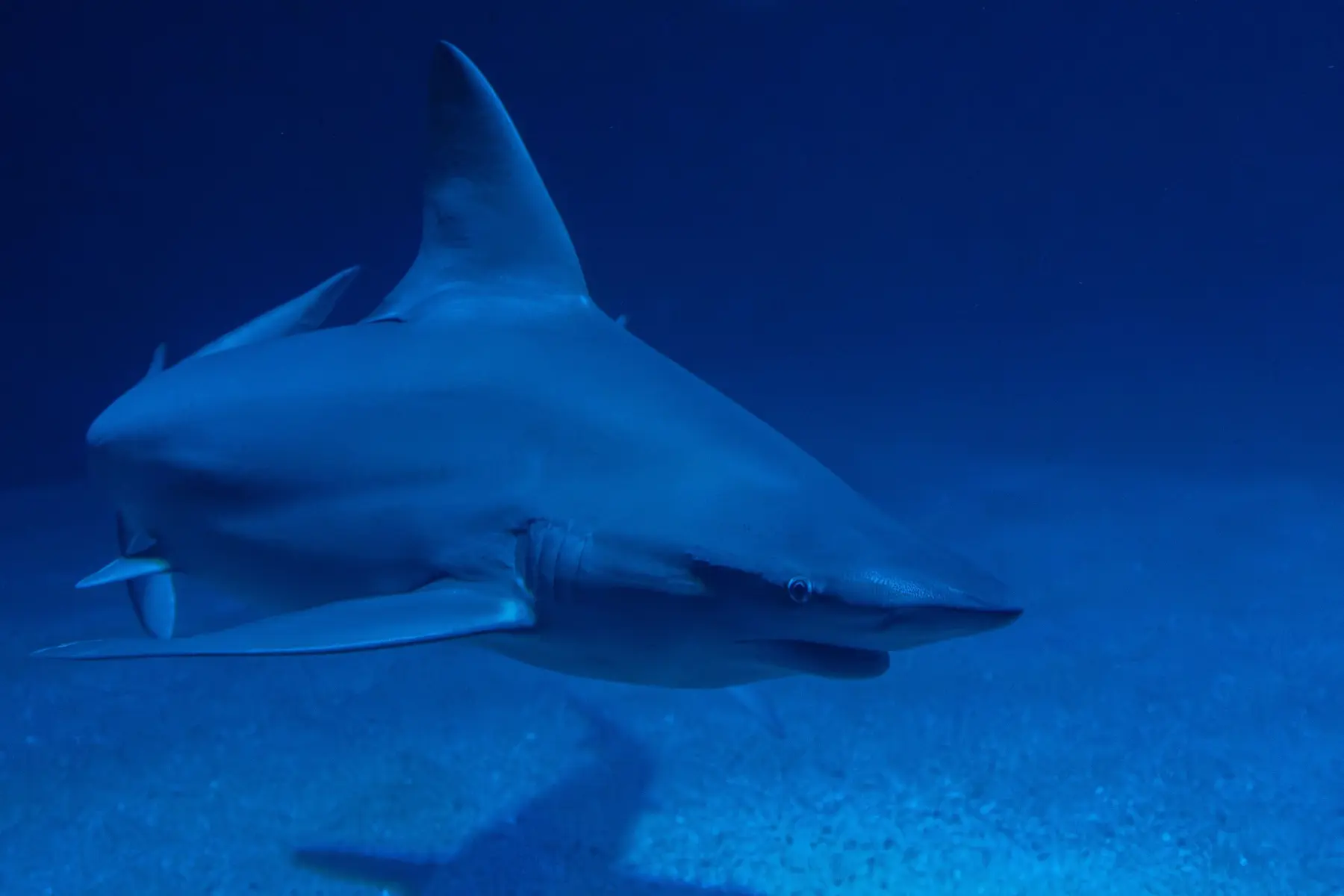
Built for a particular place and way of living.
Sharks are an ancient and diverse group of fishes ranging from small bottom dwellers to enormous plankton feeders. Conservation must work species by species because growth rate, habitat, fishing exposure and risk vary enormously.
Range. Oceans worldwide, from coastal shallows to the open ocean and deep sea.
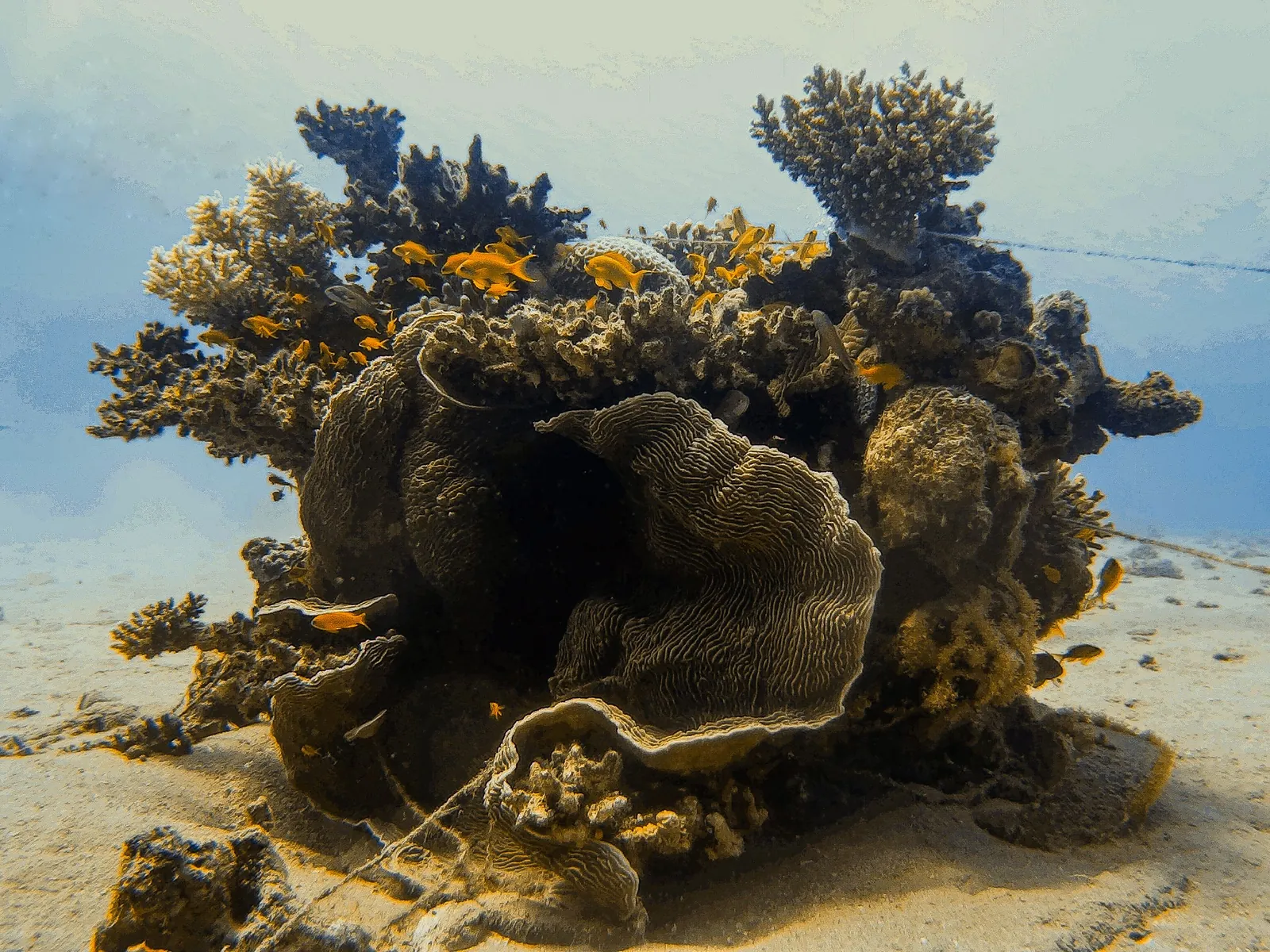
Habitat. Coral reefs, seagrass beds, mangroves, continental shelves, pelagic waters and deep sea environments.
Natural history
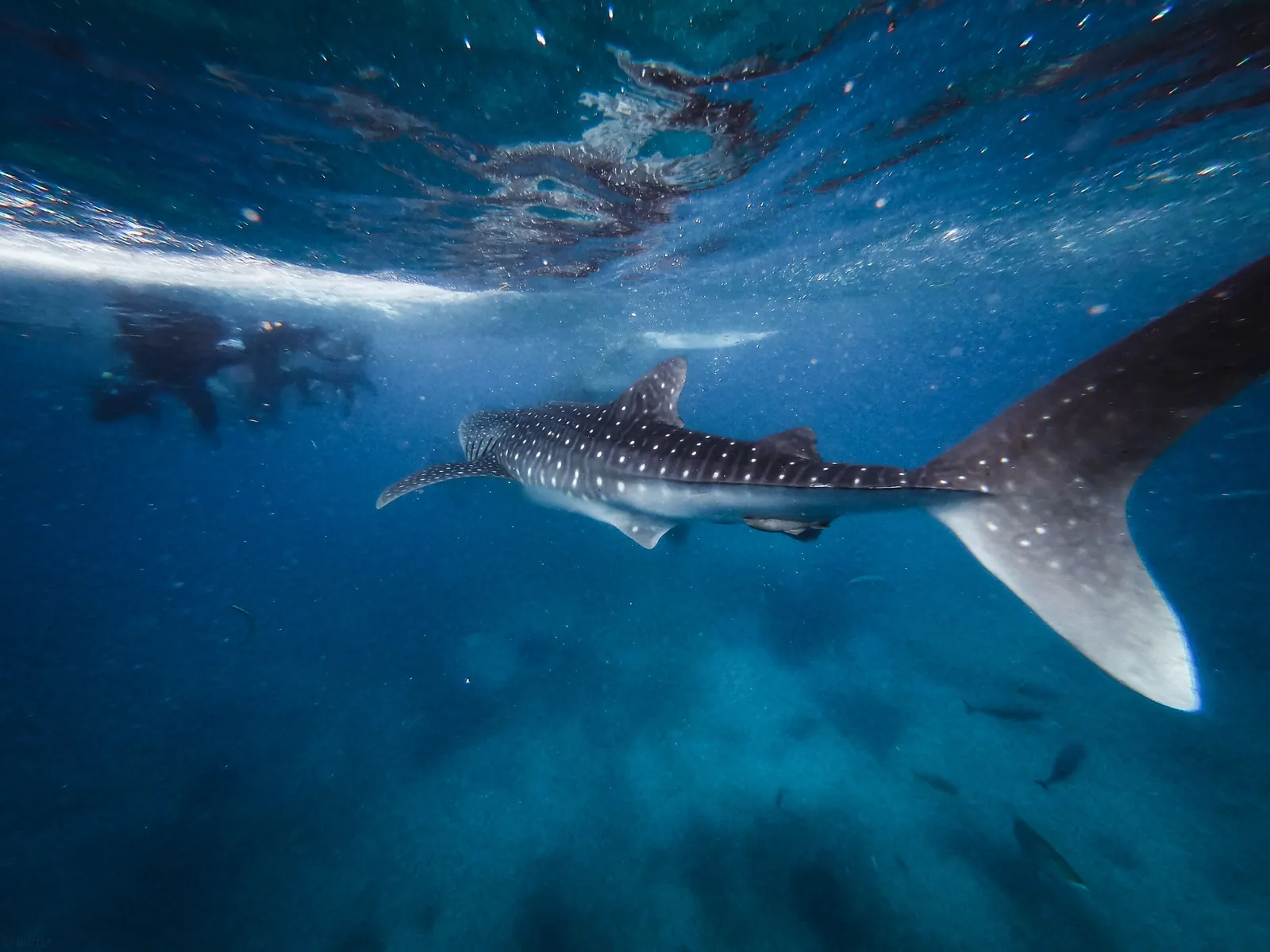
Food and feeding. Ranges from plankton in whale and basking sharks to fish, squid, crustaceans and marine mammals in predatory species.
Reproduction and life history. Many sharks grow slowly, mature late and produce relatively few young, making heavily fished populations slow to recover.
Conservation priorities depend on the species’ biology, habitat, range and rate of reproduction. These factors shape how quickly a population can recover and which pressures require the most attention.
What role does it play?
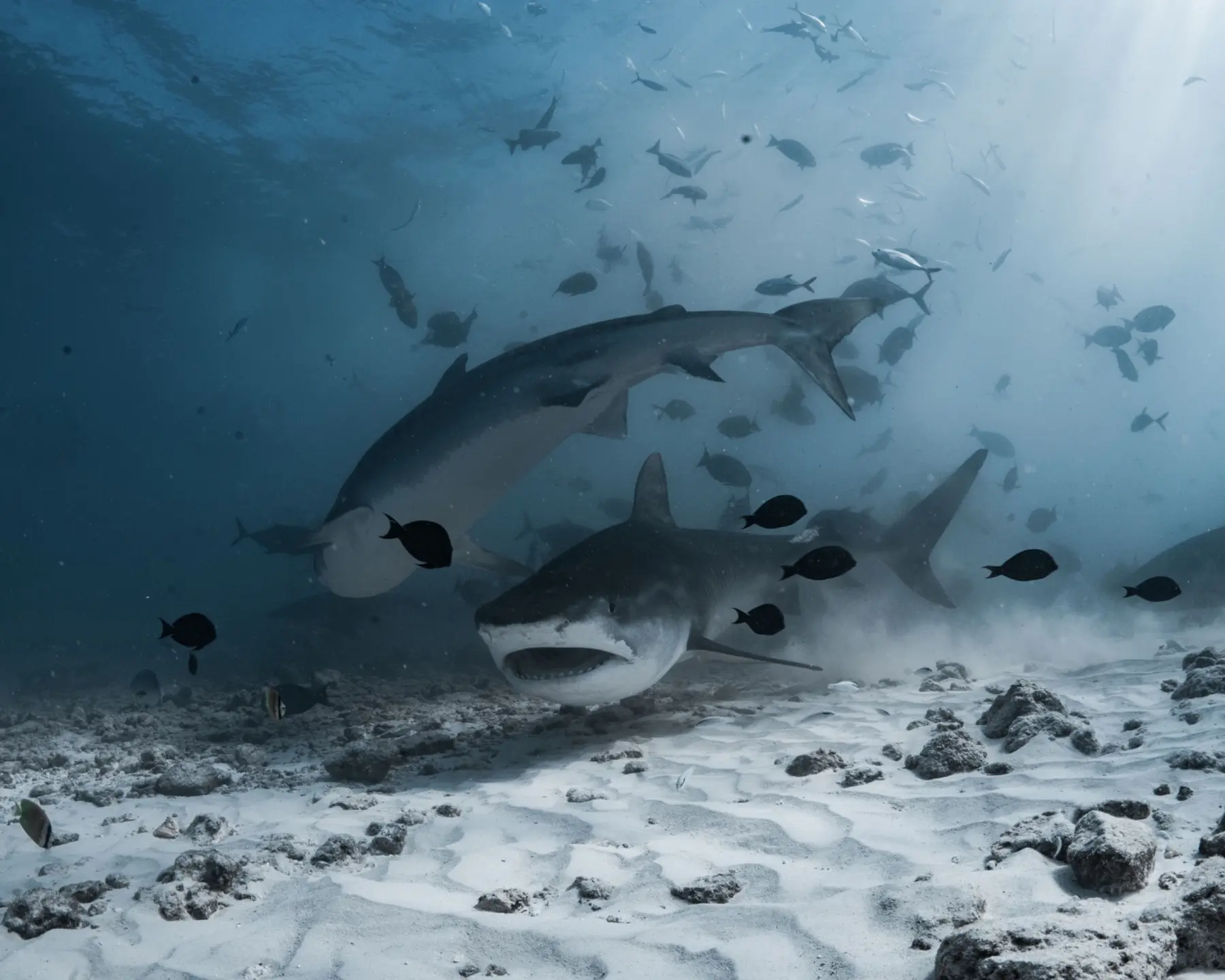
Sharks occupy many food web positions. Large predatory species can influence prey behaviour, while smaller species contribute to complex reef and seabed communities.
Ecological roles are rarely isolated. Predators depend on prey, grazers depend on productive vegetation, marine species depend on currents and nursery habitats, and forest species may depend on canopy connections that extend beyond protected area boundaries. Protecting a species often becomes a question about the wider system that keeps its life cycle possible.
Pressure and practical action
Threats vary between populations and places, so the list below is a guide to the major pressures associated with this species or group rather than a claim that every population faces every threat equally.
Key pressures
- Targeted and incidental fishing
- Fin and meat trade
- Loss of nursery habitat
- Slow life histories that limit recovery
What helps
- Species level catch limits and protection where needed
- Reduce bycatch and improve release survival
- Protect nursery grounds such as mangroves and shallow coastal habitat
- Use traceable, science based fisheries management
Sri Lanka context
Sri Lankan waters support diverse shark species and shark fisheries. Conservation has to distinguish species accurately, protect vulnerable life stages and work with fisheries rather than treating every shark as ecologically identical.
Where CuteFela discusses a species in Sri Lanka, the local context stays specific by considering the habitat involved, whether the species is native, how people and wildlife share space, and which conservation tools are relevant. For species that do not occur on the island, the guide says so directly.
Start with specialist sources.
Conservation assessments are periodically updated. Use the linked specialist and institutional sources for the latest status, range and management information.
IUCN Shark Specialist Group ↗FAO Sharks ↗