
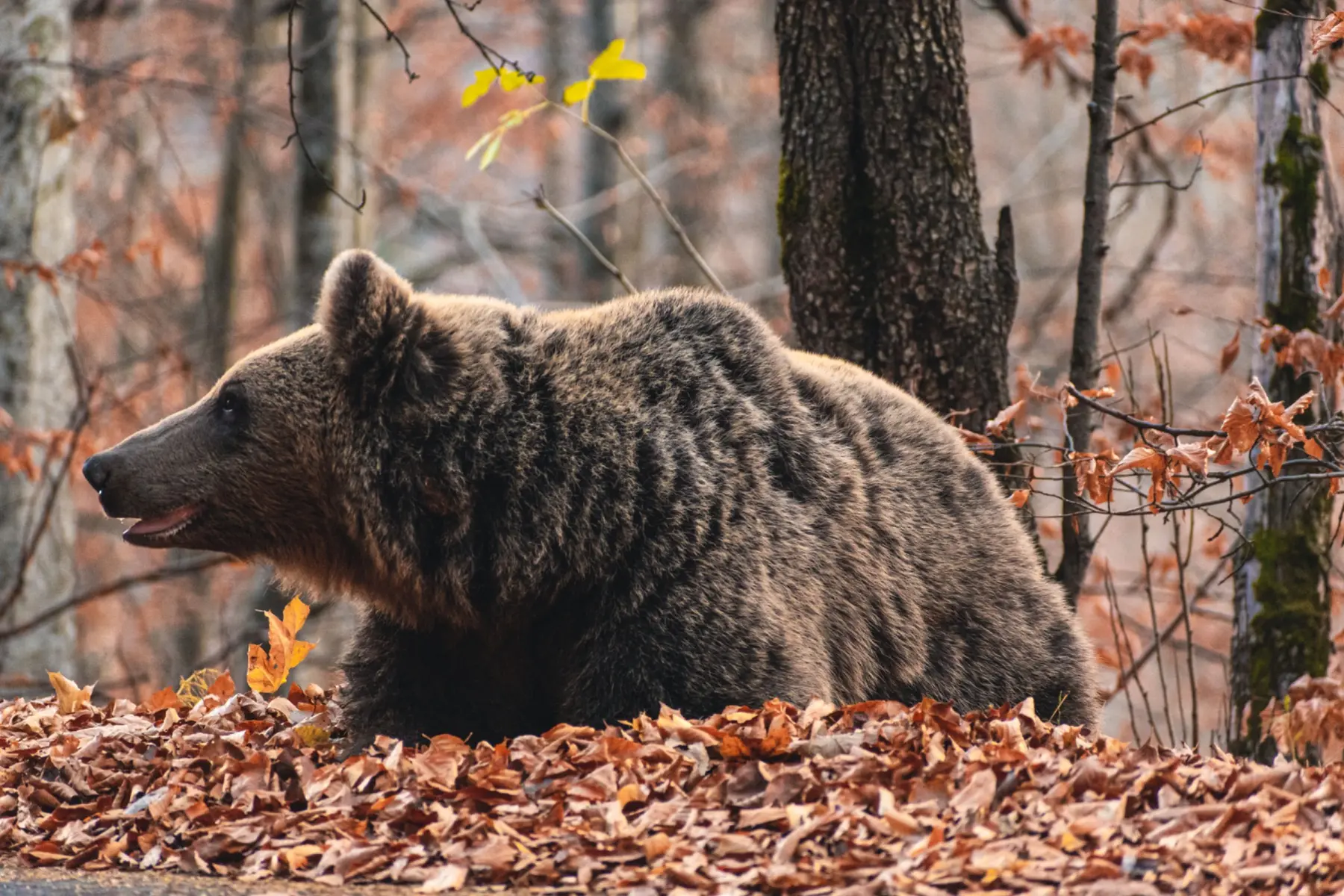
Built for a particular place and way of living.
The eight living bear species occupy habitats from Arctic sea ice to tropical forest. Their diets, behaviour and threats differ dramatically, which is why “bear conservation” is really a collection of species specific problems.
Range. North America, South America, Europe and Asia.
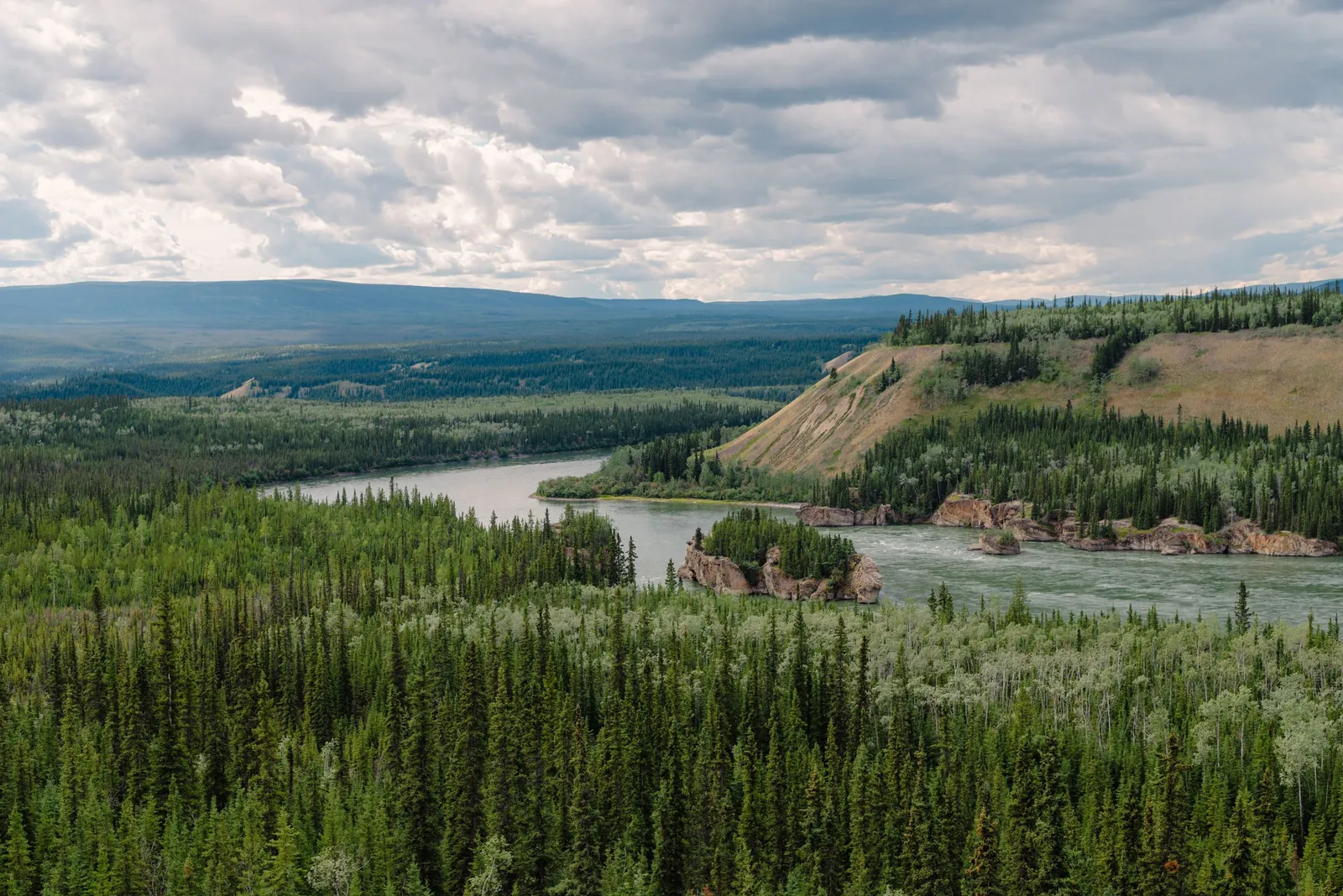
Habitat. Forests, mountains, tundra, grasslands and Arctic marine environments depending on species.
Natural history
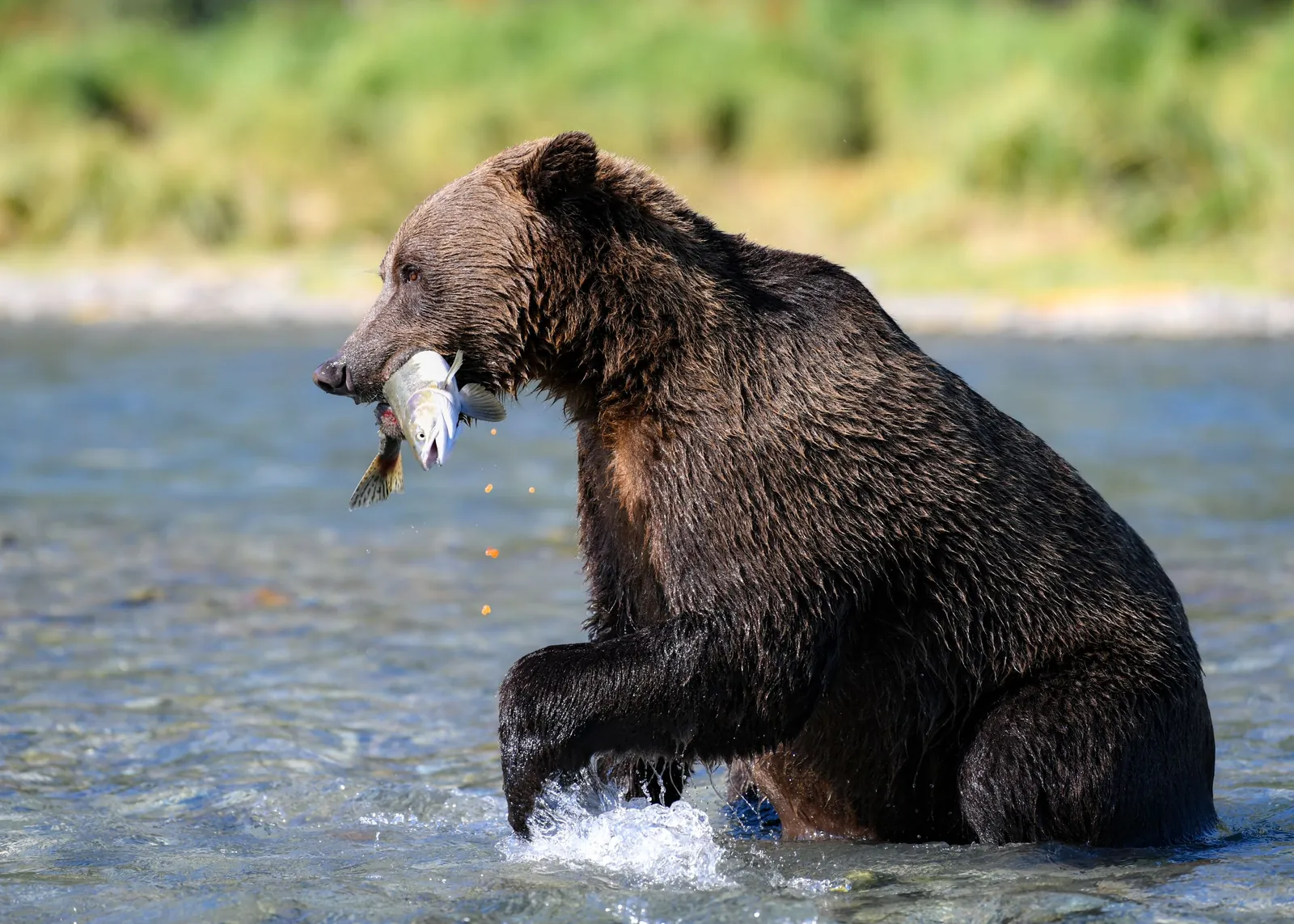
Food and feeding. Ranges from highly carnivorous polar bears to plant heavy giant panda diets and broad omnivory in brown and black bears.
Reproduction and life history. Bears generally reproduce slowly, with small litters and long maternal care. Several species use delayed implantation.
Conservation priorities depend on the species’ biology, habitat, range and rate of reproduction. These factors shape how quickly a population can recover and which pressures require the most attention.
What role does it play?
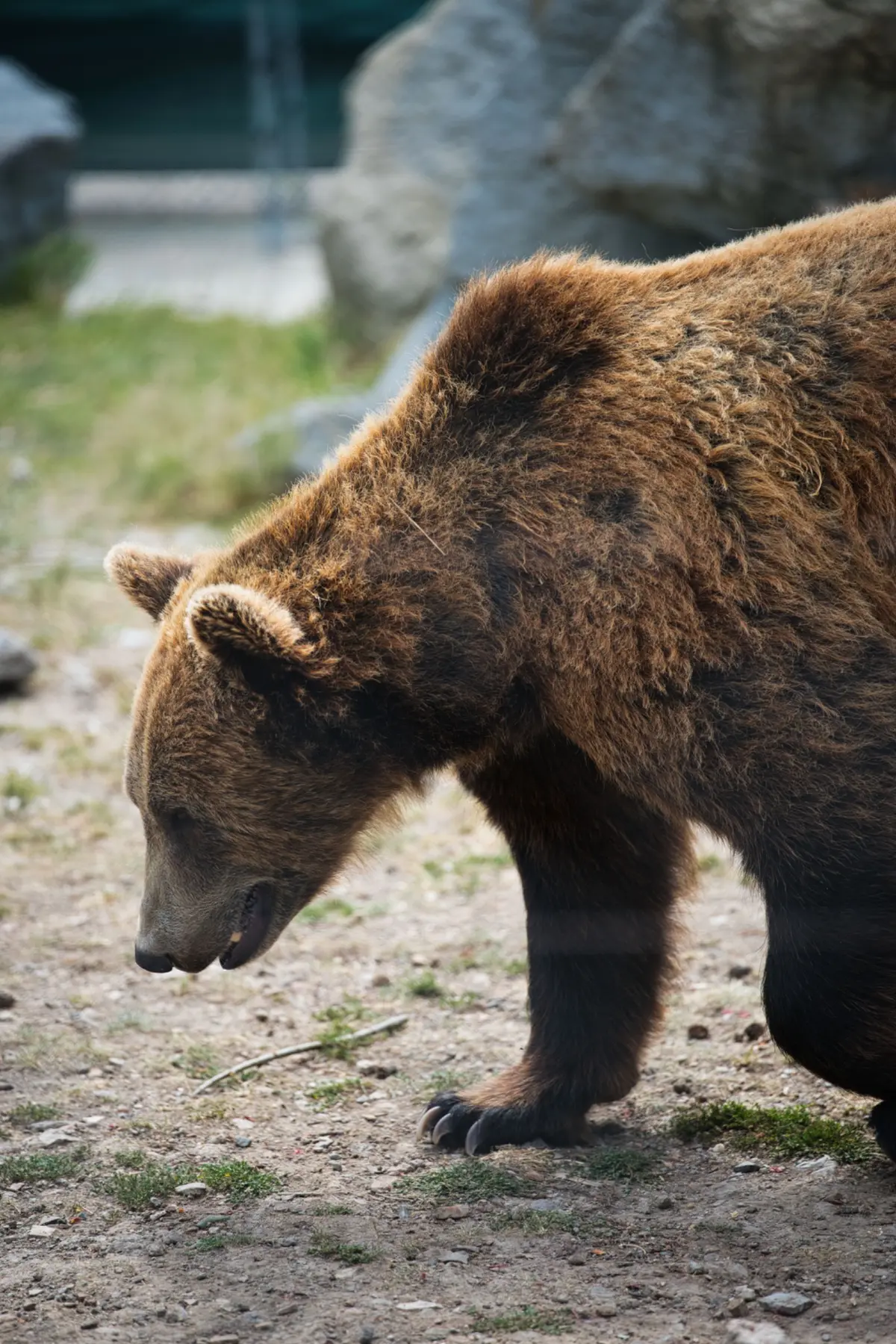
Bears can disperse seeds, move nutrients, prey on animals and influence scavenger communities.
Ecological roles are rarely isolated. Predators depend on prey, grazers depend on productive vegetation, marine species depend on currents and nursery habitats, and forest species may depend on canopy connections that extend beyond protected area boundaries. Protecting a species often becomes a question about the wider system that keeps its life cycle possible.
Pressure and practical action
Threats vary between populations and places, so the list below is a guide to the major pressures associated with this species or group rather than a claim that every population faces every threat equally.
Key pressures
- Habitat loss and fragmentation
- Conflict around food, crops or livestock
- Illegal wildlife trade and hunting
- Climate change for Arctic dependent species
What helps
- Secure habitat and movement corridors
- Reduce food attractants and human bear conflict
- Stop illegal trade
- Use species specific monitoring and management
Sri Lanka context
Sri Lanka’s only native bear is the sloth bear. Its dry zone ecology and conflict pressures deserve separate attention rather than being folded into a generic bear story.
Where CuteFela discusses a species in Sri Lanka, the local context stays specific by considering the habitat involved, whether the species is native, how people and wildlife share space, and which conservation tools are relevant. For species that do not occur on the island, the guide says so directly.
Start with specialist sources.
Conservation assessments are periodically updated. Use the linked specialist and institutional sources for the latest status, range and management information.
IUCN Bear Specialist Group ↗IUCN Red List ↗