
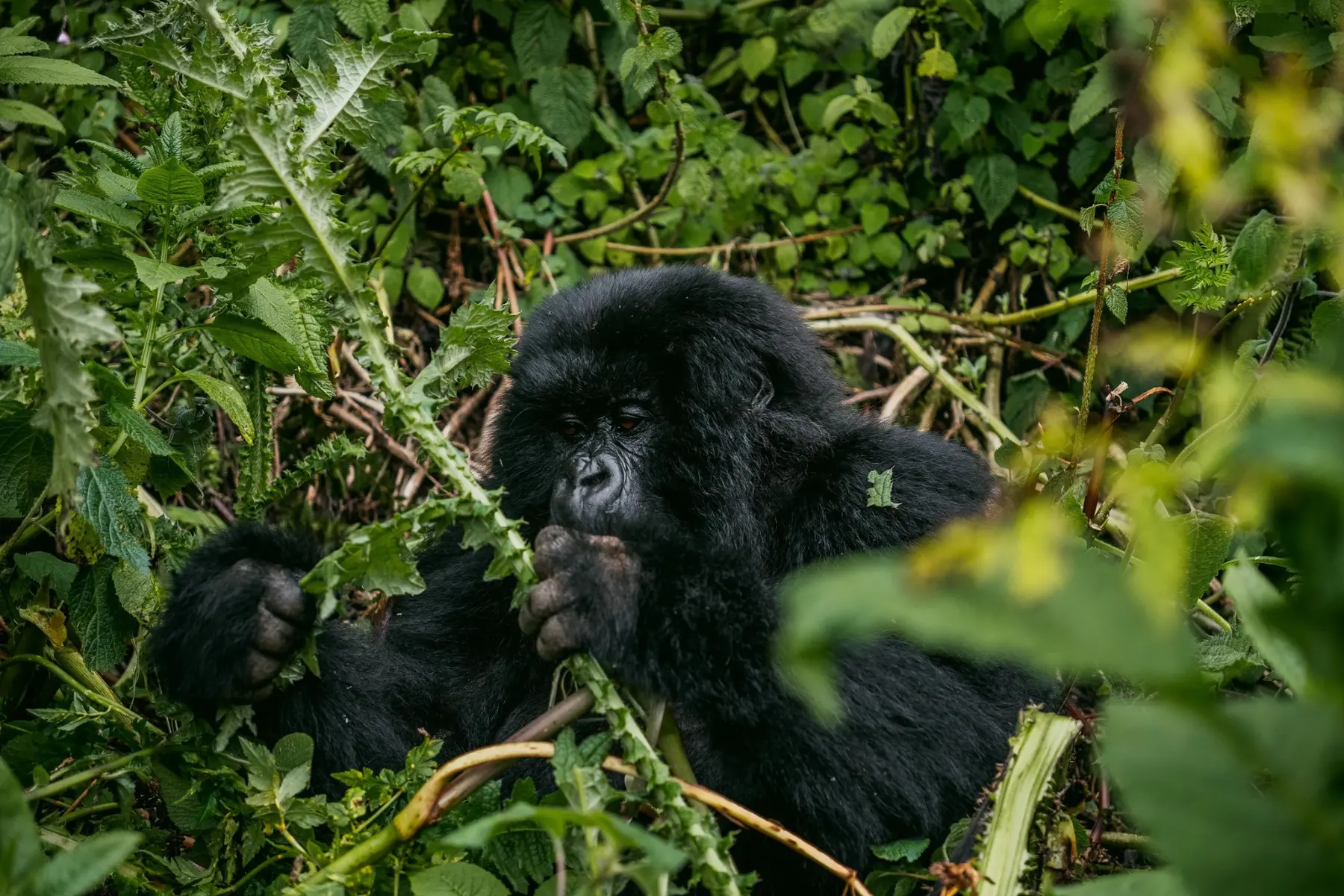
Built for a particular place and way of living.
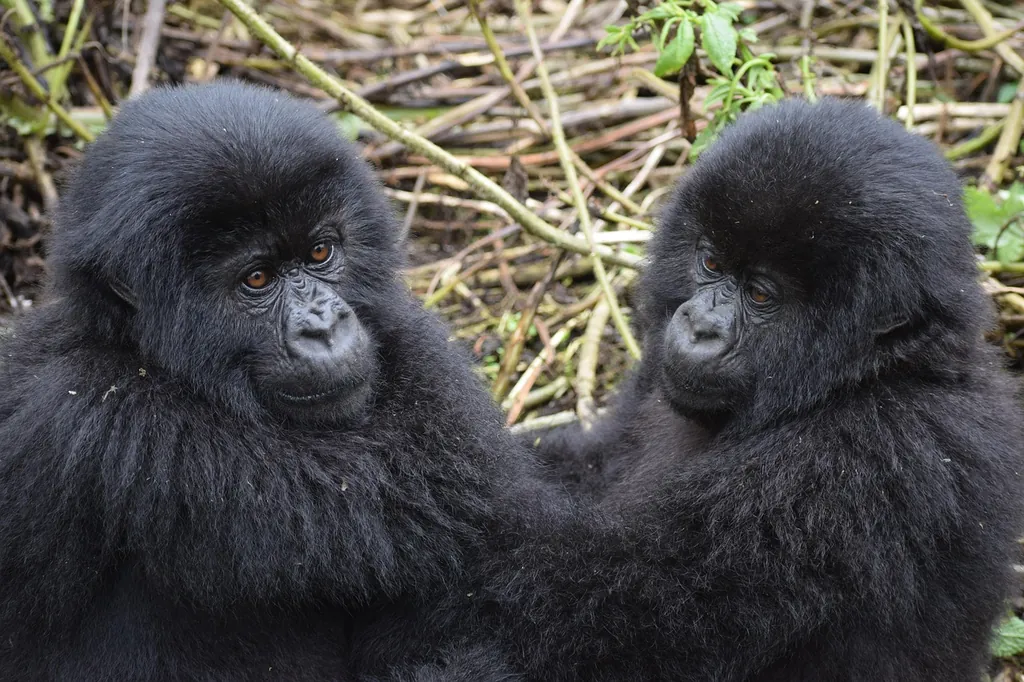
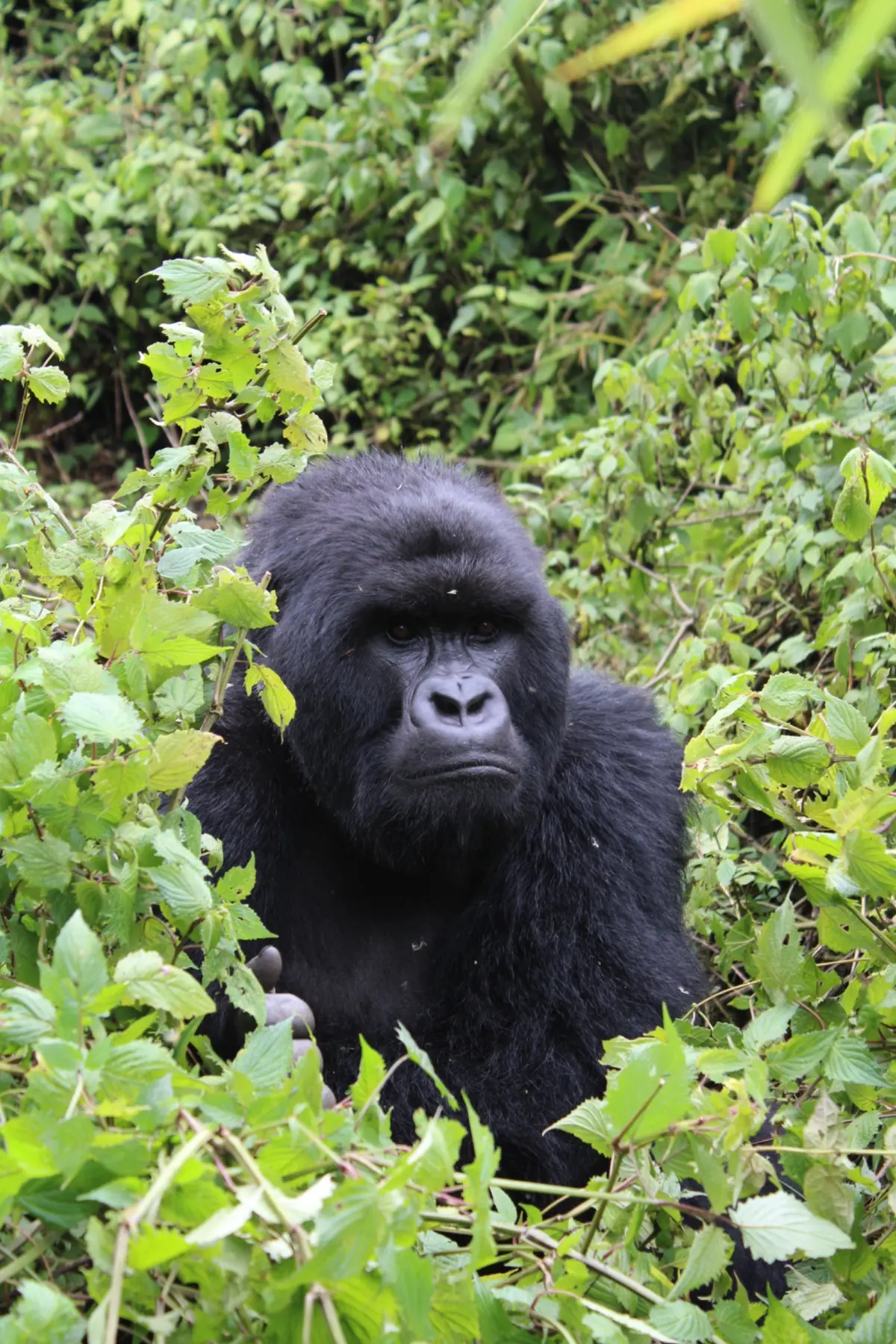
Gorillas are the largest living primates. They live in cohesive social groups, shape forest vegetation through feeding and seed dispersal, and reproduce slowly, which makes adult losses difficult to replace.
Range. Tropical forests of equatorial Africa, with eastern and western species separated geographically.
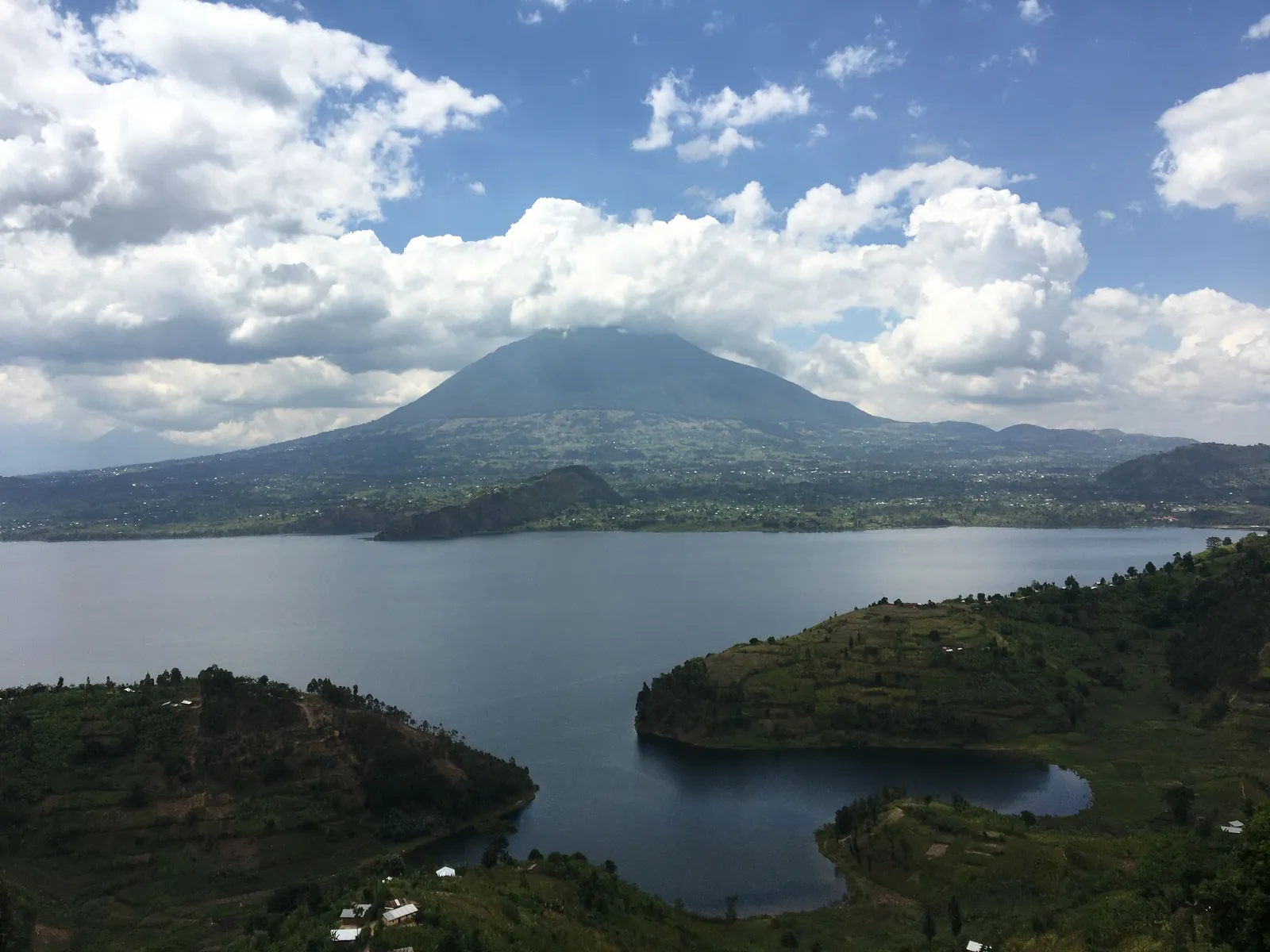
Habitat. Lowland rainforest, swamp forest and montane forest depending on species and population.
Natural history
Food and feeding. Mostly leaves, stems, fruit and other plant material, with diet varying by habitat and season.
Reproduction and life history. Females generally give birth to one infant after a long gestation, with years of maternal care and long intervals between births.
Conservation priorities depend on the species’ biology, habitat, range and rate of reproduction. These factors shape how quickly a population can recover and which pressures require the most attention.
What role does it play?
Gorillas disperse seeds and influence forest structure; protecting them can protect large landscapes used by many other species.
Ecological roles are rarely isolated. Predators depend on prey, grazers depend on productive vegetation, marine species depend on currents and nursery habitats, and forest species may depend on canopy connections that extend beyond protected area boundaries. Protecting a species often becomes a question about the wider system that keeps its life cycle possible.
Pressure and practical action
Threats vary between populations and places, so the list below is a guide to the major pressures associated with this species or group rather than a claim that every population faces every threat equally.
Key pressures
- Habitat loss and fragmentation
- Poaching and accidental capture in snares
- Disease transmission, including from people
- Conflict and instability in parts of their range
What helps
- Protect large connected forest landscapes
- Support community based anti poaching and livelihoods
- Apply strict health protocols around habituated groups
- Strengthen long term protected area management
Sri Lanka context
Gorillas do not occur in Sri Lanka. Sri Lanka’s primate conservation challenges instead include endemic langurs and lorises, making gorilla conservation a useful global comparison for slow breeding forest primates.
Where CuteFela discusses a species in Sri Lanka, the local context stays specific by considering the habitat involved, whether the species is native, how people and wildlife share space, and which conservation tools are relevant. For species that do not occur on the island, the guide says so directly.
Start with specialist sources.
Conservation assessments are periodically updated. Use the linked specialist and institutional sources for the latest status, range and management information.
WWF Gorillas ↗IUCN Primate Specialist Group ↗