
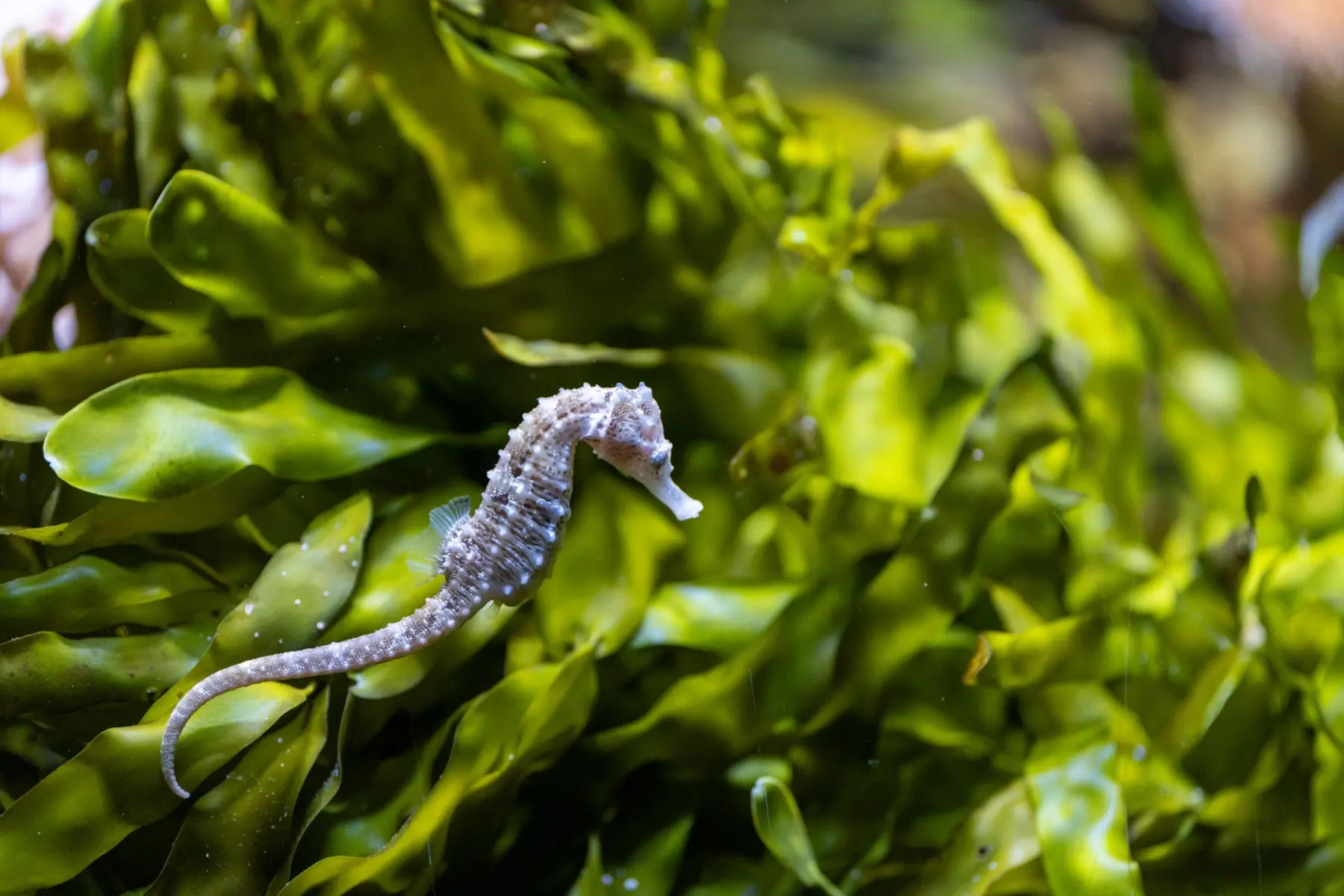
Built for a particular place and way of living.
Seahorses are small fishes whose upright posture, prehensile tails and male pregnancy make them distinctive, but their conservation depends on ordinary coastal habitat. seagrass, mangroves, reefs and other structured shallow water environments.
Range. Temperate and tropical coastal waters around much of the world.
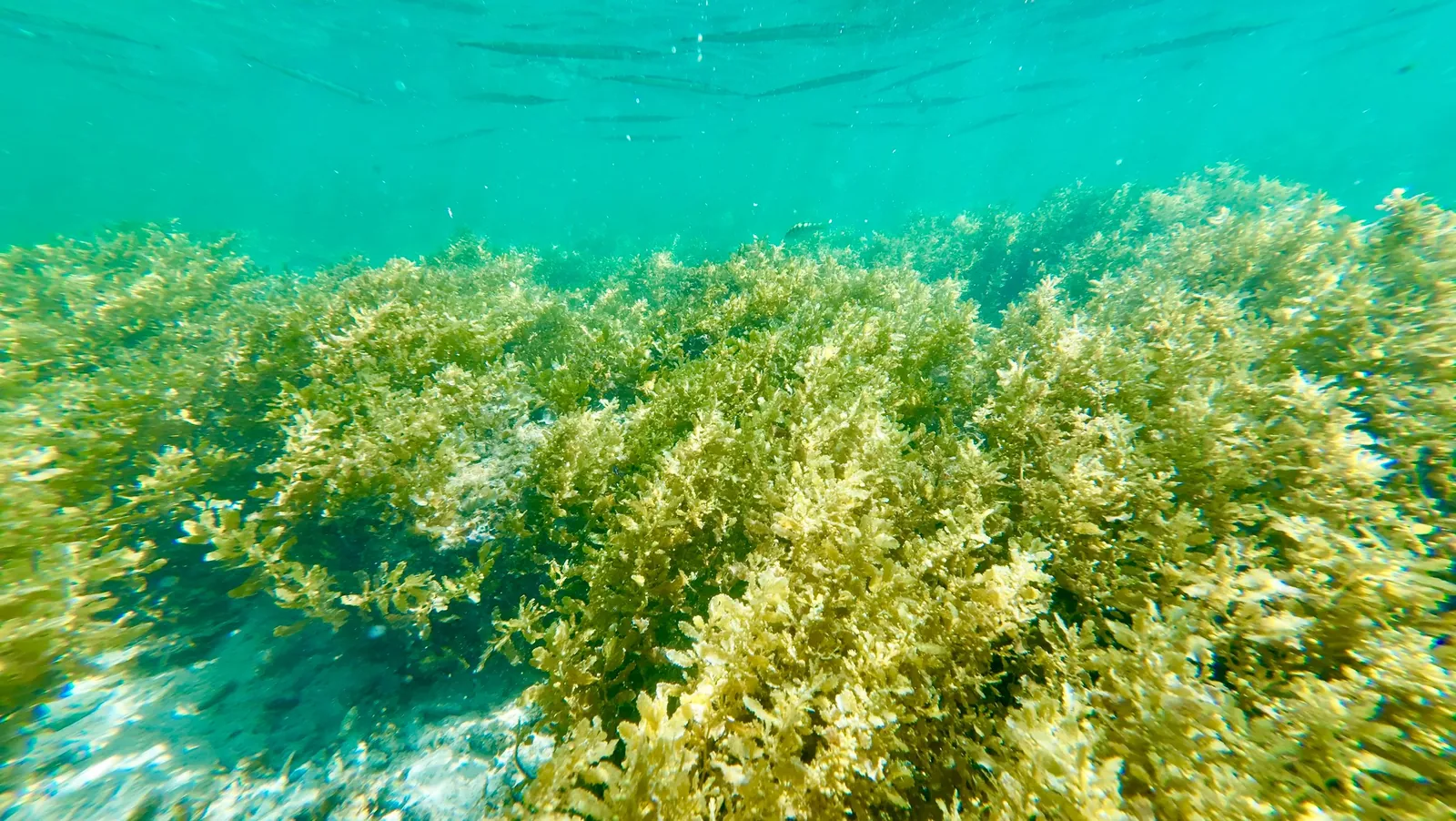
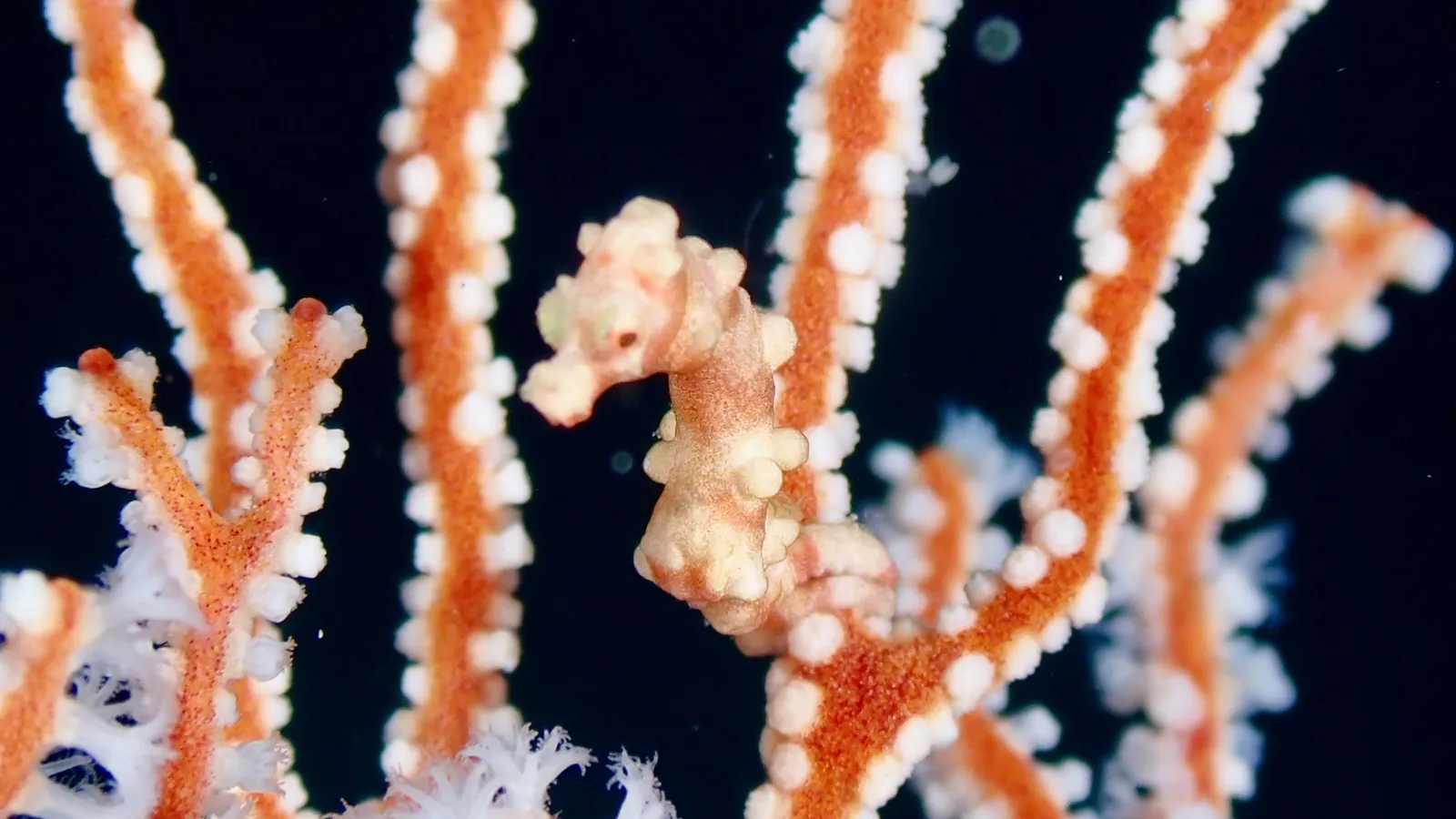
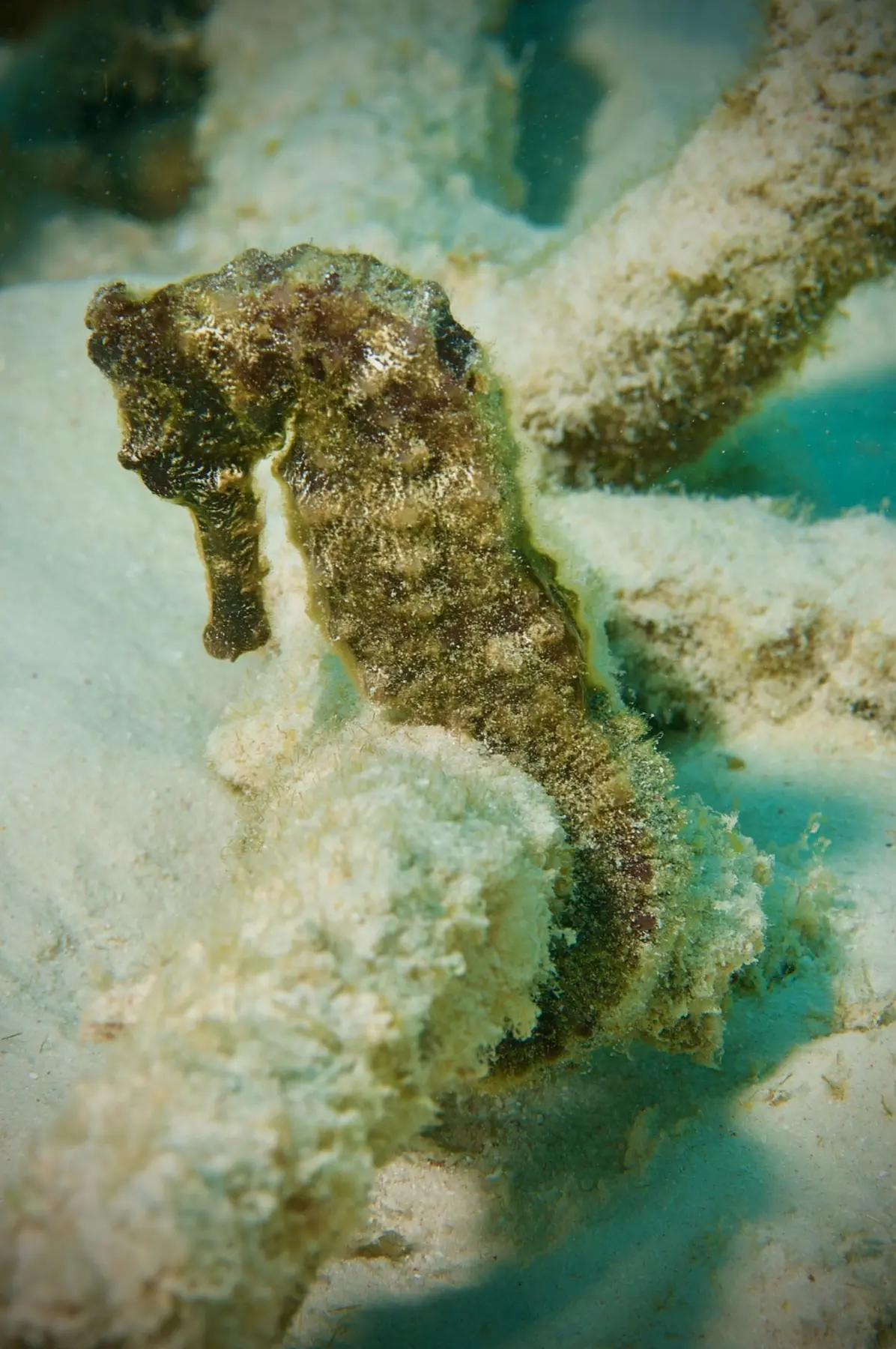
Habitat. Seagrass meadows, mangroves, coral and rocky reefs, estuaries and other shallow habitats.
Natural history
Food and feeding. Tiny crustaceans and zooplankton sucked through a tubular snout.
Reproduction and life history. Females transfer eggs into a male brood pouch, where embryos develop until the male gives birth to fully formed young.
Conservation priorities depend on the species’ biology, habitat, range and rate of reproduction. These factors shape how quickly a population can recover and which pressures require the most attention.
What role does it play?
Seahorses are predators of small crustaceans and useful indicators of the health of complex shallow water habitats.
Ecological roles are rarely isolated. Predators depend on prey, grazers depend on productive vegetation, marine species depend on currents and nursery habitats, and forest species may depend on canopy connections that extend beyond protected area boundaries. Protecting a species often becomes a question about the wider system that keeps its life cycle possible.
Pressure and practical action
Threats vary between populations and places, so the list below is a guide to the major pressures associated with this species or group rather than a claim that every population faces every threat equally.
Key pressures
- Loss of seagrass, mangroves and reefs
- Bycatch in non selective fishing gear
- Unsustainable collection and trade
- Pollution and coastal development
What helps
- Protect seagrass and mangrove habitat
- Reduce destructive fishing and bycatch
- Ensure international trade is legal and sustainable
- Monitor populations at species level
Sri Lanka context
Seahorses occur in the wider Indian Ocean and around Sri Lanka. Their future is closely tied to the condition of seagrass beds, mangroves and other coastal nursery habitats.
Where CuteFela discusses a species in Sri Lanka, the local context stays specific by considering the habitat involved, whether the species is native, how people and wildlife share space, and which conservation tools are relevant. For species that do not occur on the island, the guide says so directly.
Start with specialist sources.
Conservation assessments are periodically updated. Use the linked specialist and institutional sources for the latest status, range and management information.
Project Seahorse ↗CITES Seahorses ↗