
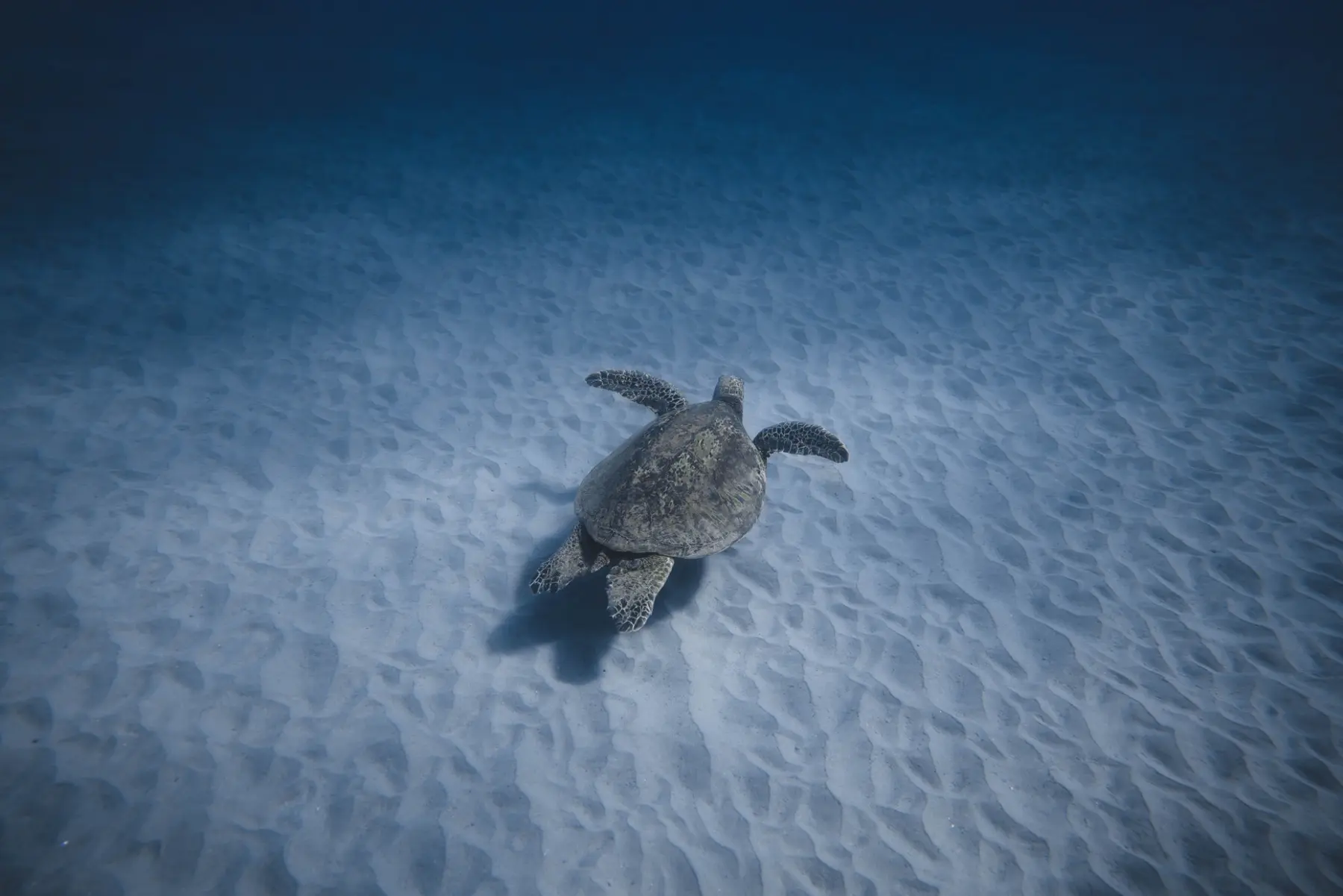
Built for a particular place and way of living.
Sea turtles are a group of seven living marine reptile species that migrate between feeding grounds and nesting beaches. A turtle seen on one coastline may depend on habitats and fisheries management hundreds or thousands of kilometres away.
Range. Tropical and subtropical oceans worldwide, with some species ranging into temperate waters.
Habitat. Coral reefs, seagrass meadows, open ocean, coastal waters and sandy nesting beaches depending on species and life stage.
Natural history
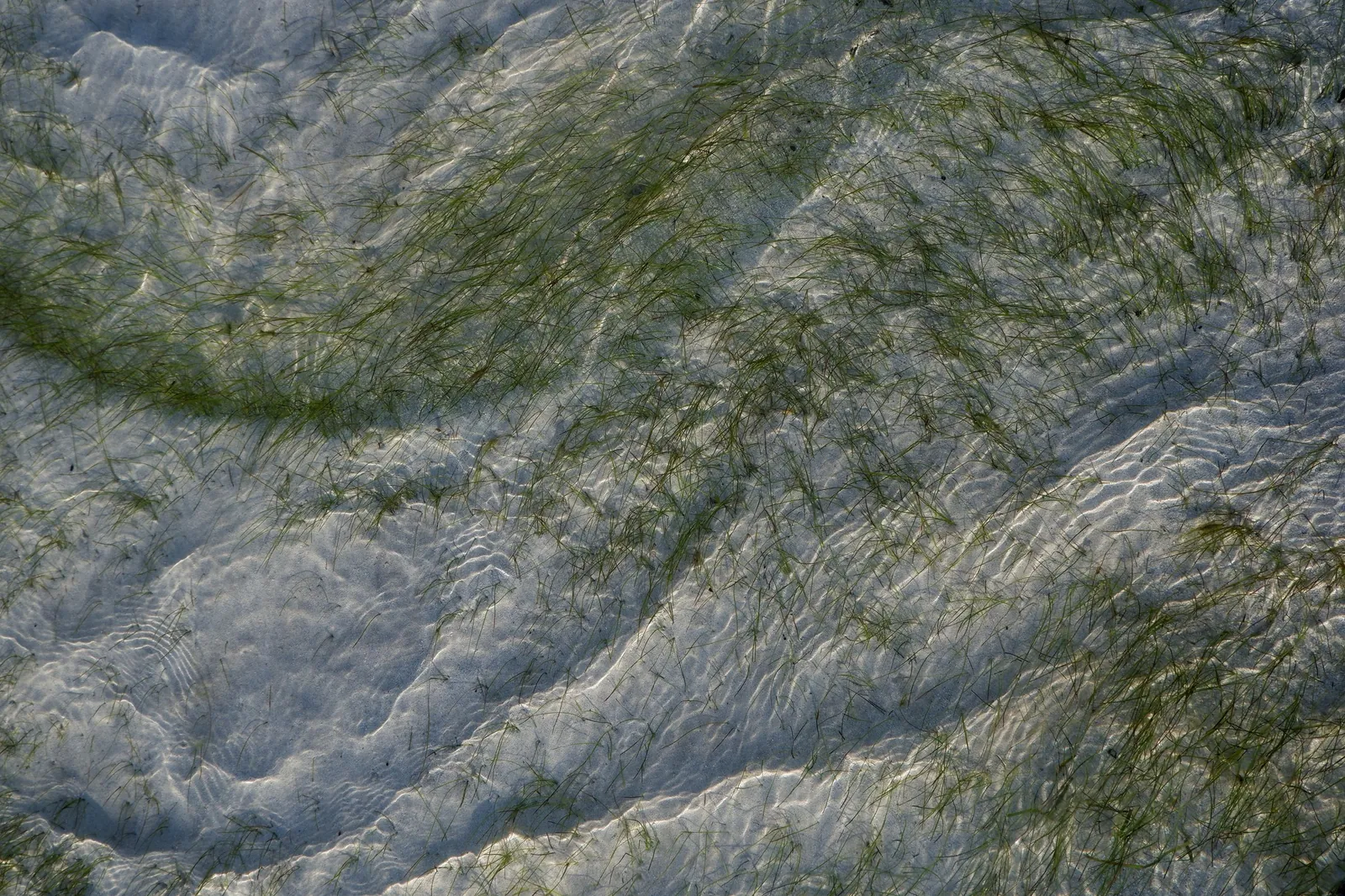
Food and feeding. Diet differs greatly. green turtles graze seagrass and algae, hawksbills feed heavily on sponges, leatherbacks specialise on gelatinous prey, while others are broader feeders.
Reproduction and life history. Adult females return to beaches to lay clutches of eggs. Hatchling survival is naturally low, so the loss of breeding adults can have long lasting effects.
Conservation priorities depend on the species’ biology, habitat, range and rate of reproduction. These factors shape how quickly a population can recover and which pressures require the most attention.
What role does it play?
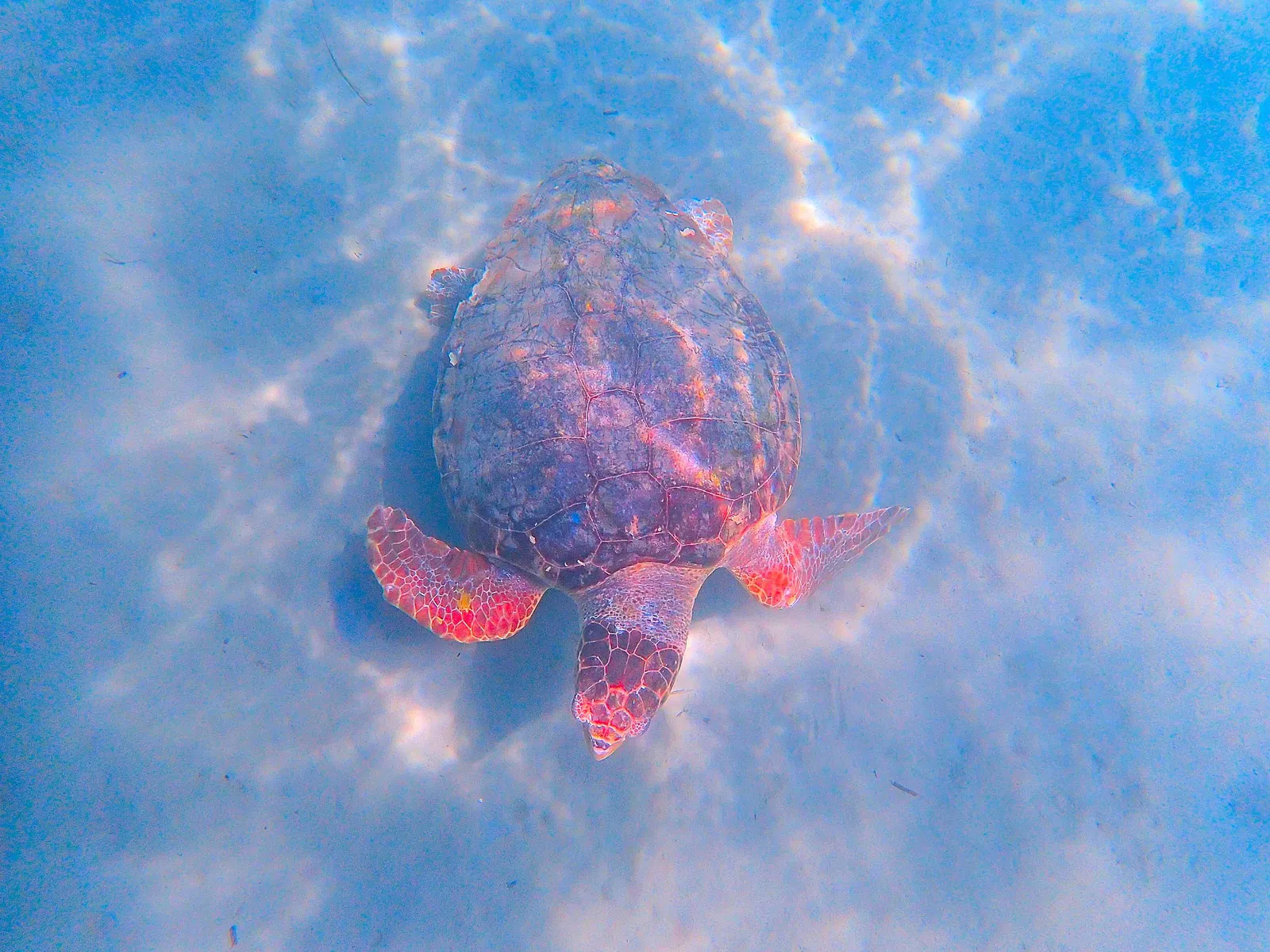
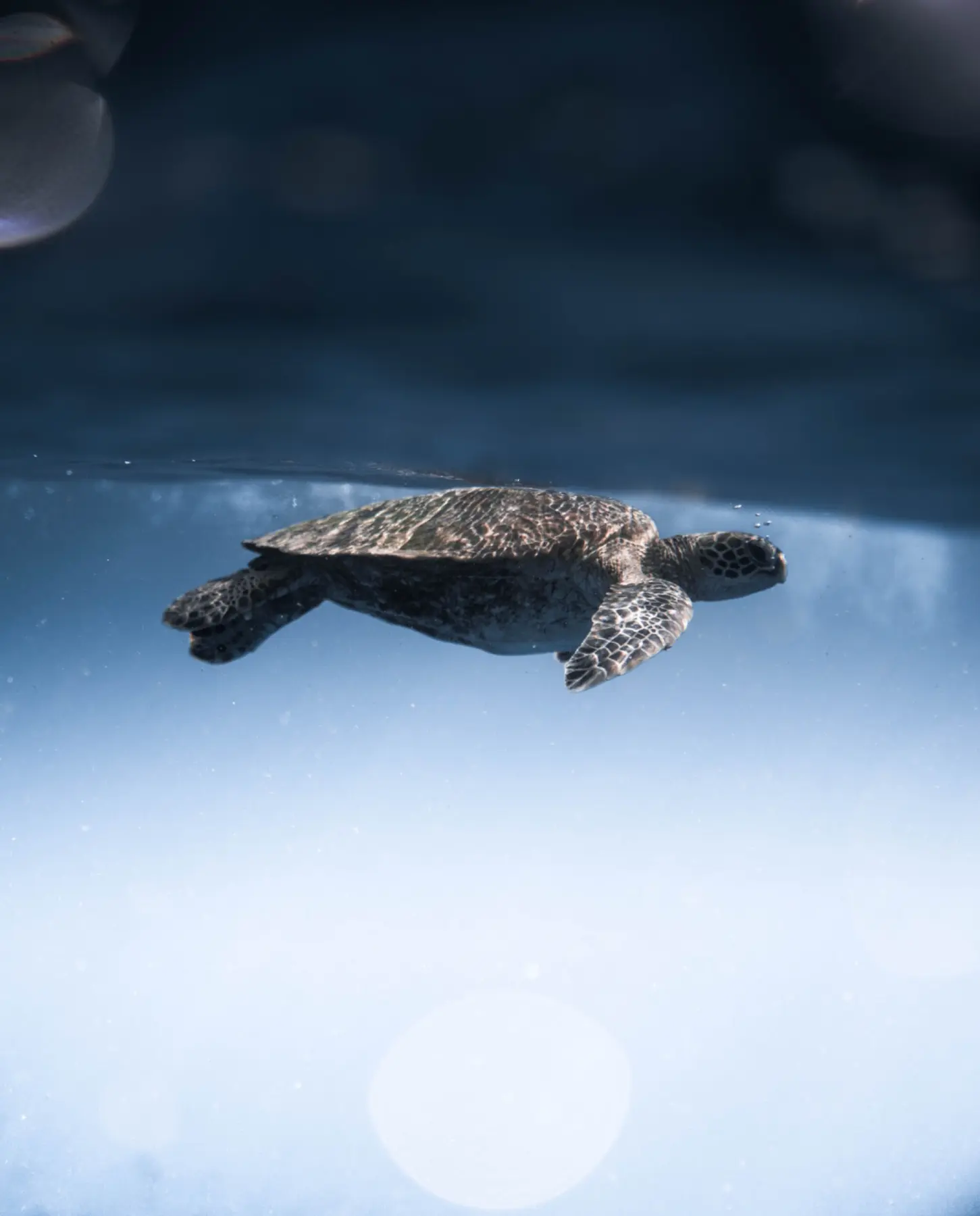
Different sea turtle species graze seagrass, shape reef communities, move nutrients between sea and shore and form part of wide ranging ocean food webs.
Ecological roles are rarely isolated. Predators depend on prey, grazers depend on productive vegetation, marine species depend on currents and nursery habitats, and forest species may depend on canopy connections that extend beyond protected area boundaries. Protecting a species often becomes a question about the wider system that keeps its life cycle possible.
Pressure and practical action
Threats vary between populations and places, so the list below is a guide to the major pressures associated with this species or group rather than a claim that every population faces every threat equally.
Key pressures
- Bycatch in fishing gear
- Loss, hardening and artificial lighting of nesting beaches
- Plastic and other marine pollution
- Ocean warming, changing currents and hotter nest temperatures
What helps
- Use turtle friendly fishing practices and reduce bycatch
- Protect nesting beaches while keeping them dark and physically accessible
- Safeguard seagrass, coral and other feeding habitats
- Reduce plastic leakage and illegal take
Sri Lanka context
Sri Lankan waters and beaches are used by several sea turtle species, including green, olive ridley, hawksbill, loggerhead and leatherback turtles. Conservation therefore involves both nesting beaches and offshore fishing and feeding habitats.
Where CuteFela discusses a species in Sri Lanka, the local context stays specific by considering the habitat involved, whether the species is native, how people and wildlife share space, and which conservation tools are relevant. For species that do not occur on the island, the guide says so directly.
Start with specialist sources.
Conservation assessments are periodically updated. Use the linked specialist and institutional sources for the latest status, range and management information.
NOAA Fisheries Sea turtles ↗IUCN Marine Turtle Specialist Group ↗