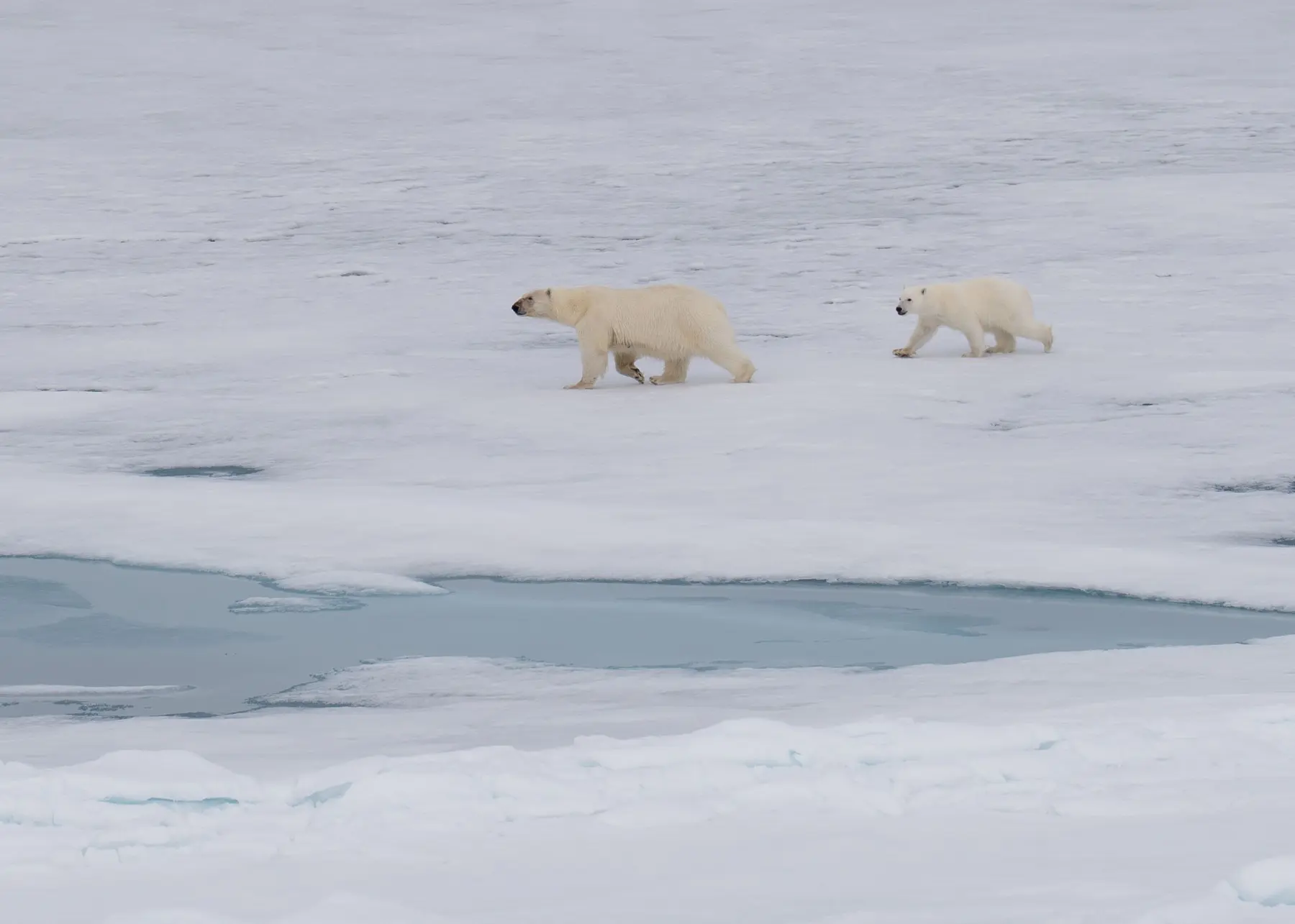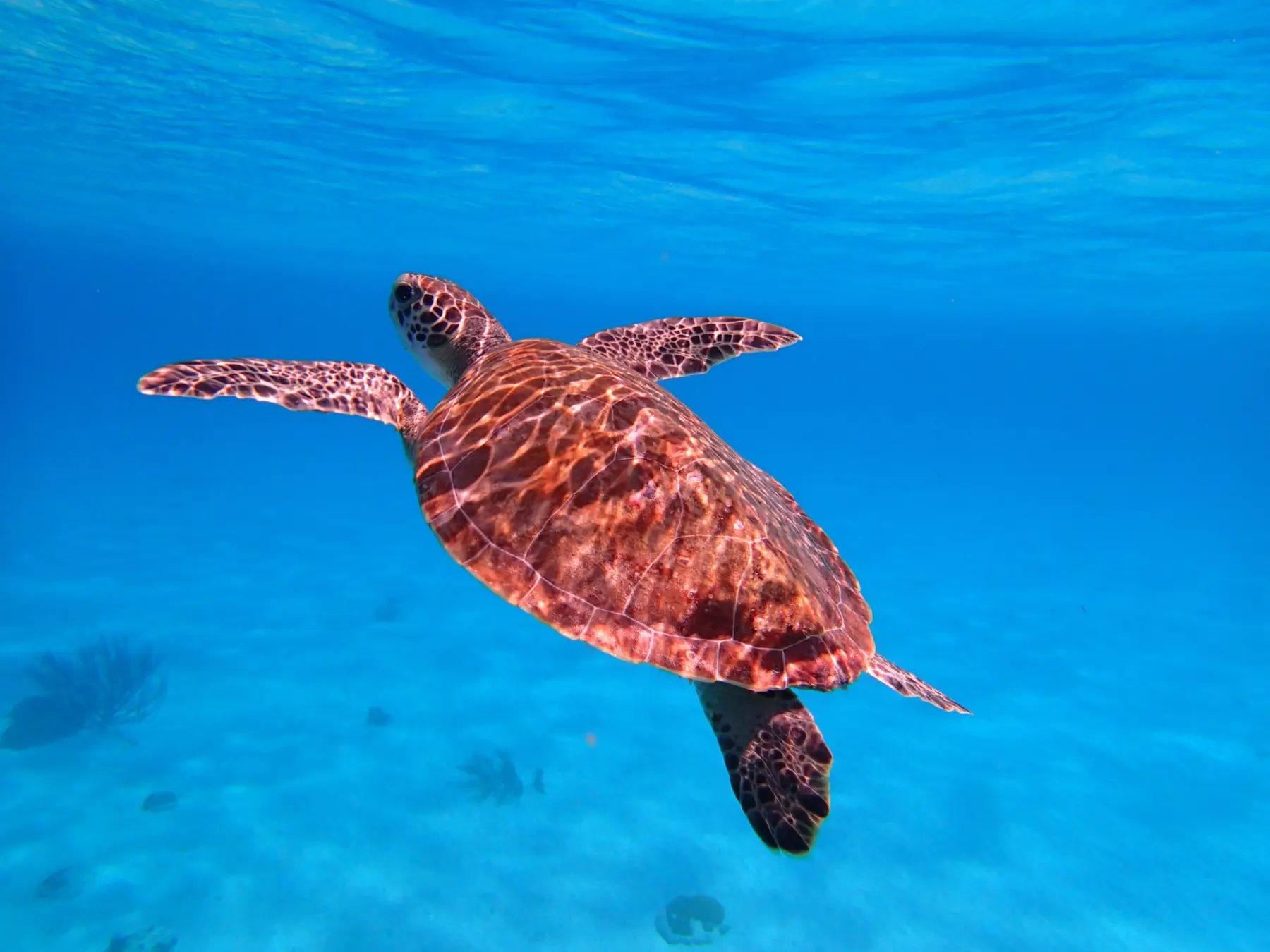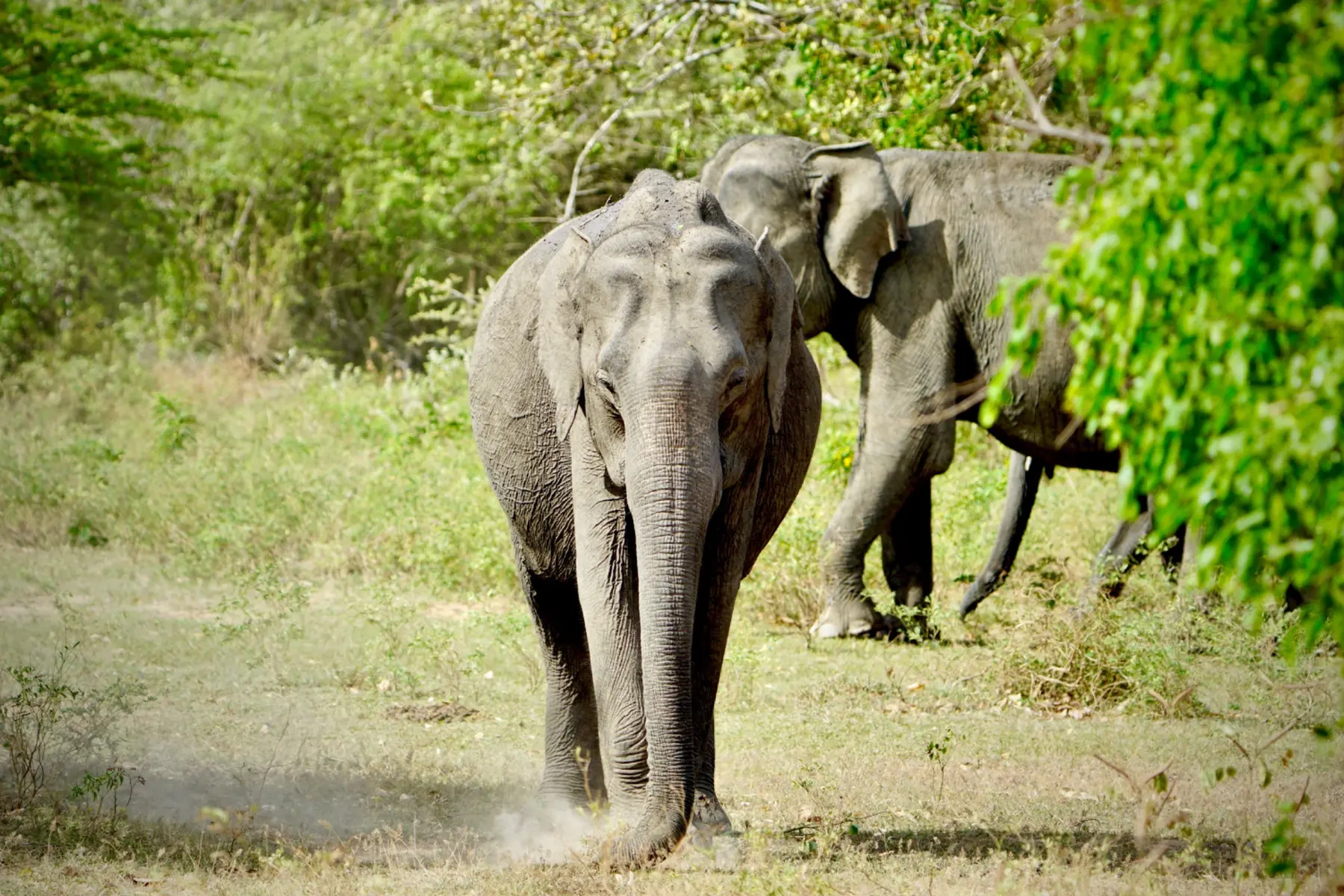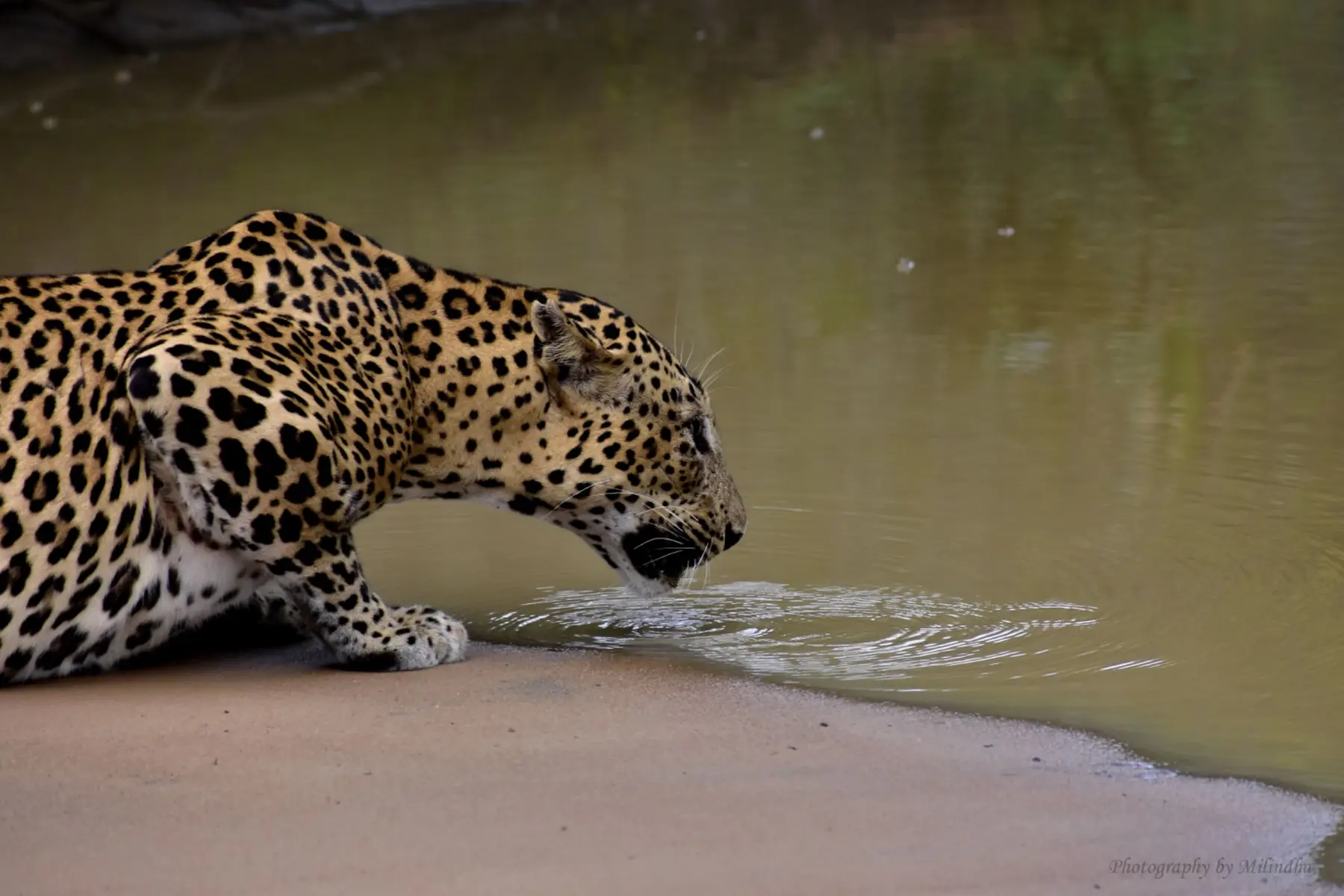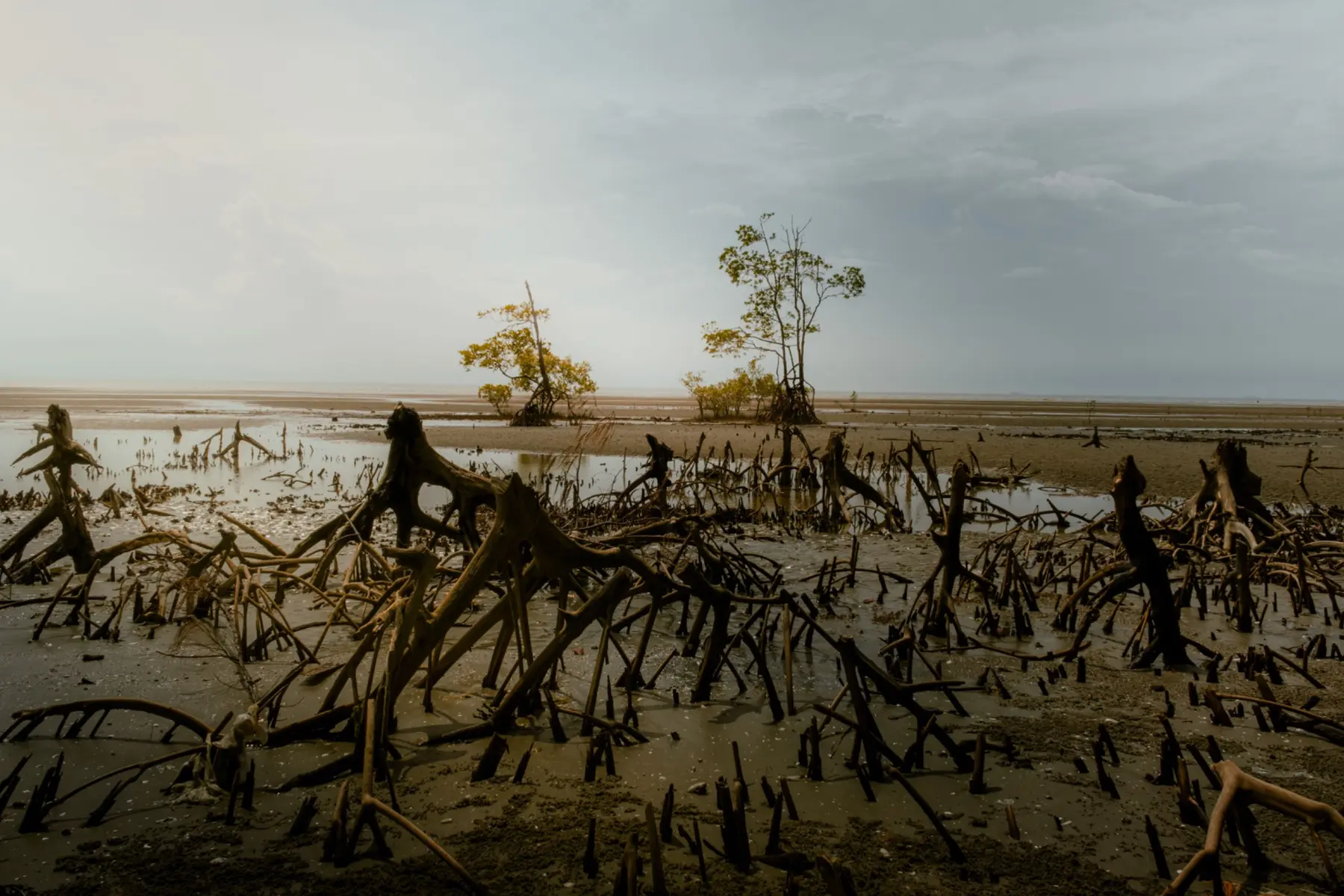
Biodiversity protection
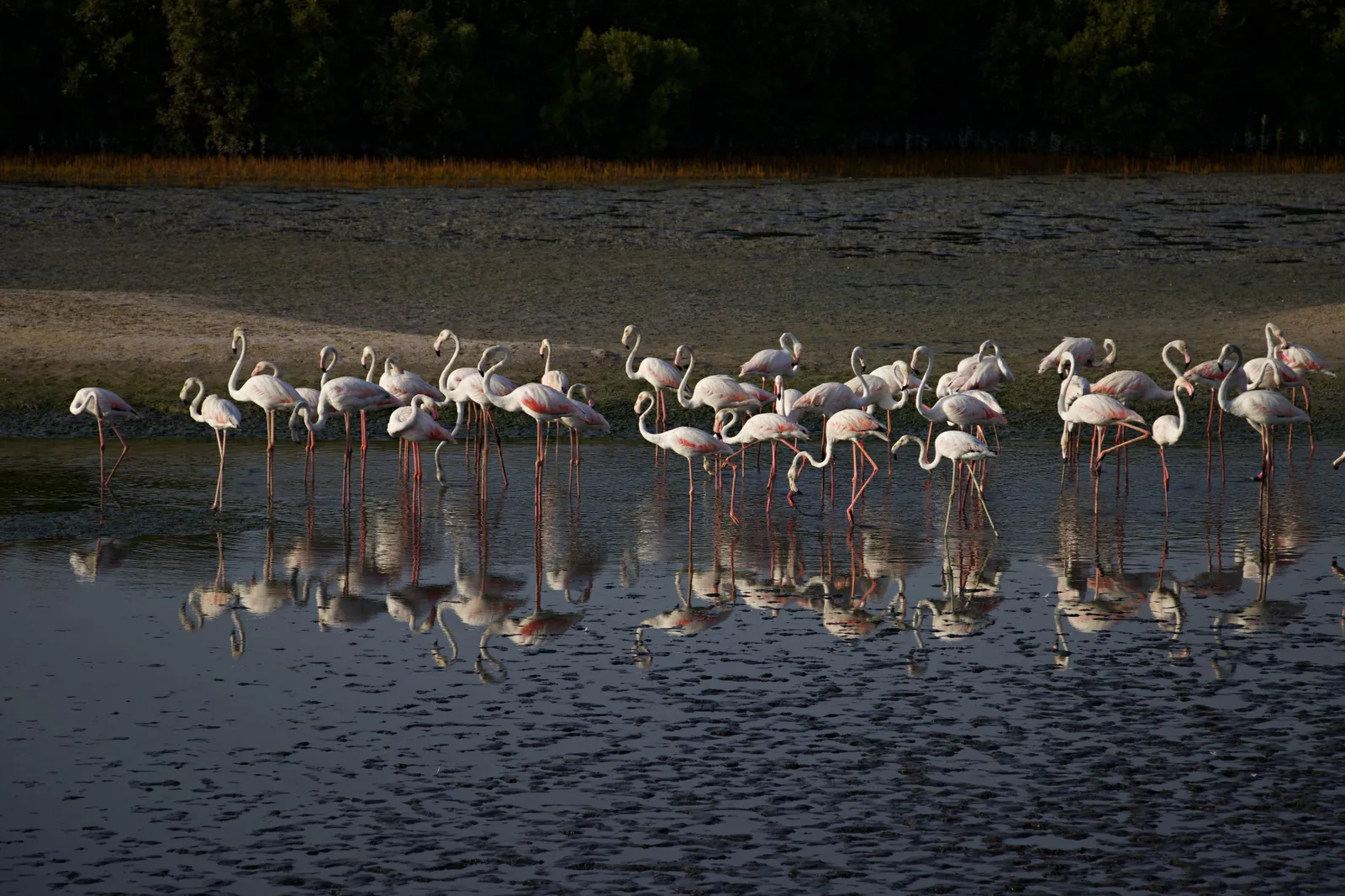
Habitat, rescue, rehabilitation, coexistence and the practical conditions wildlife needs to recover.
CuteFela is a global environmental organisation connecting conservation, environmental learning, resilient livelihoods and rights with the institutions and people that can help practical work travel further.
An environmental organisation working across conservation, education, livelihoods and rights while connecting practical action with international environmental processes.
Our vision is to unite people to protect people and wildlife. Our mission is to nurture sustainability so wildlife thrives and the connection between people and the natural world becomes inseparable.
Habitat, rescue, rehabilitation, coexistence and the practical conditions wildlife needs to recover.
Environmental knowledge becomes useful when it connects to real places, economic choices and everyday decisions.
Field priorities need routes into institutions, finance and public processes if they are going to last.
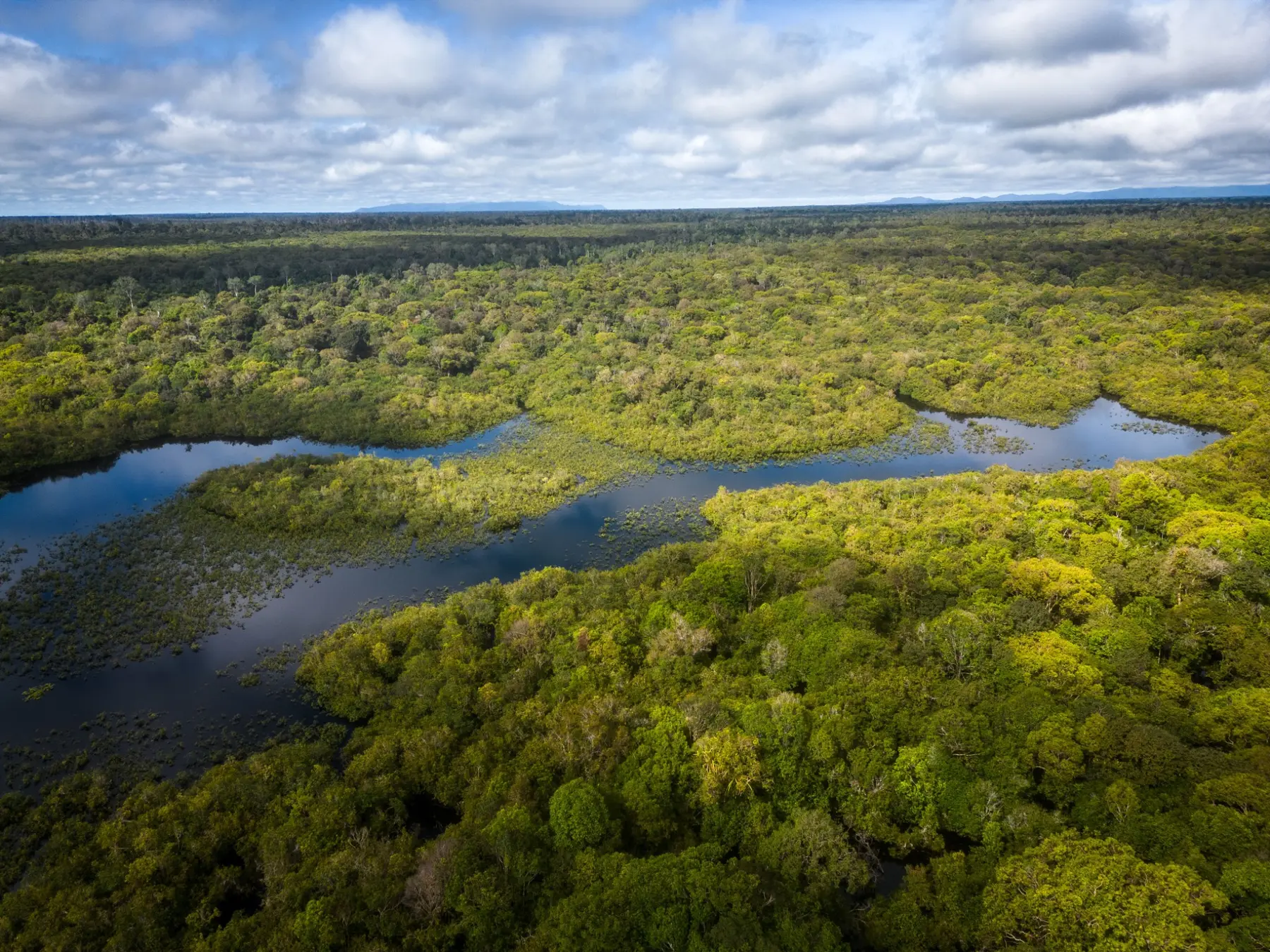
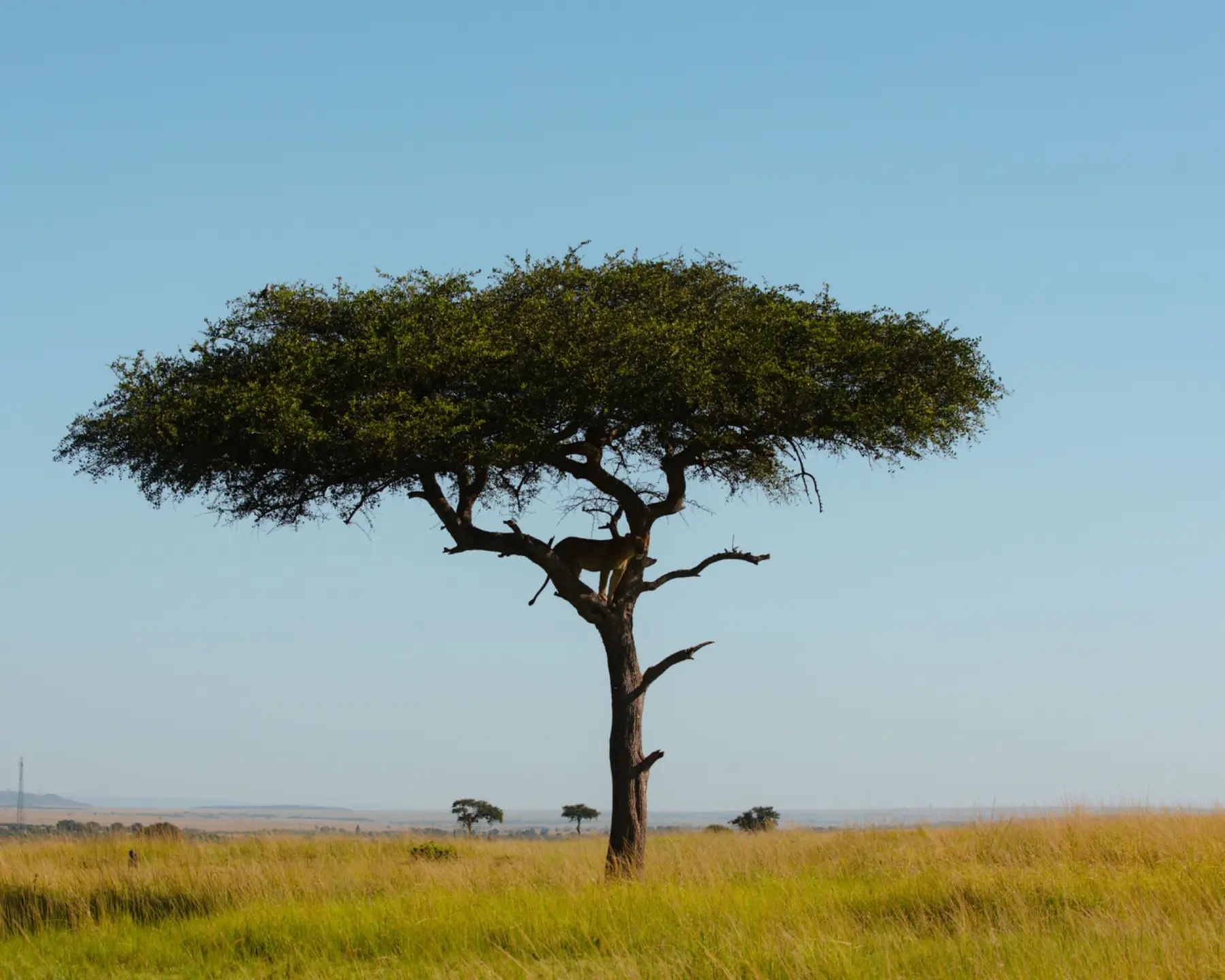
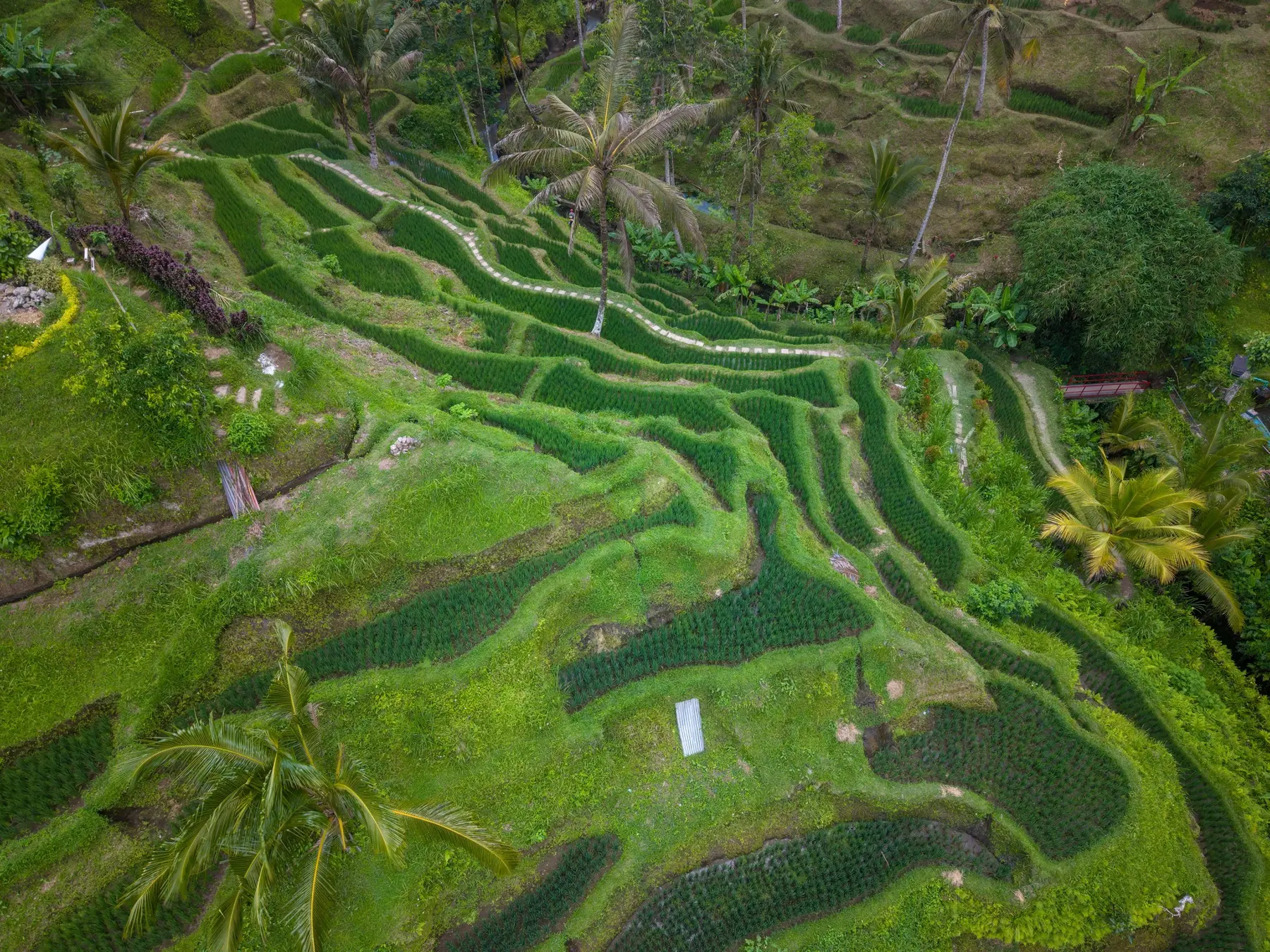
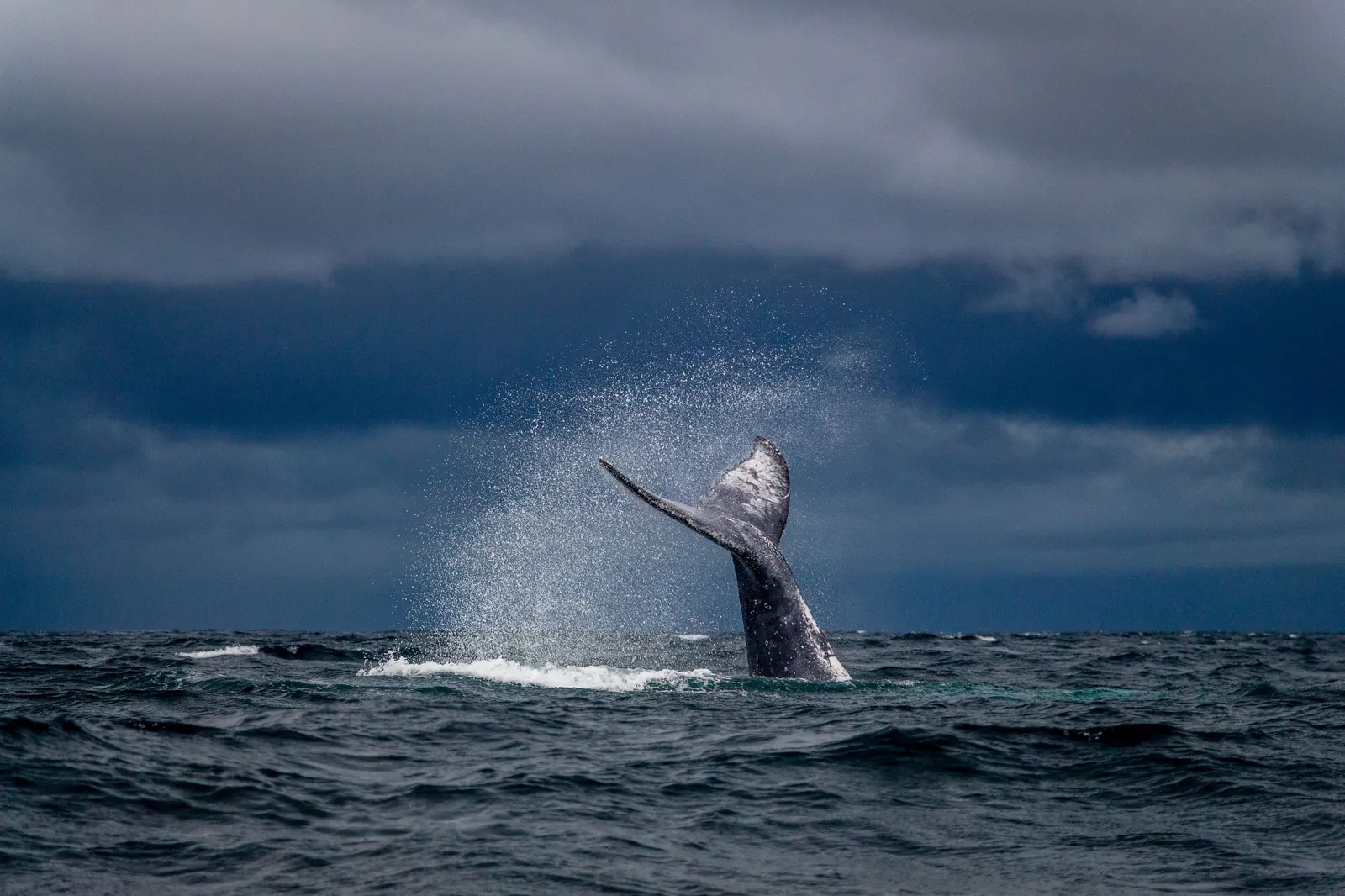
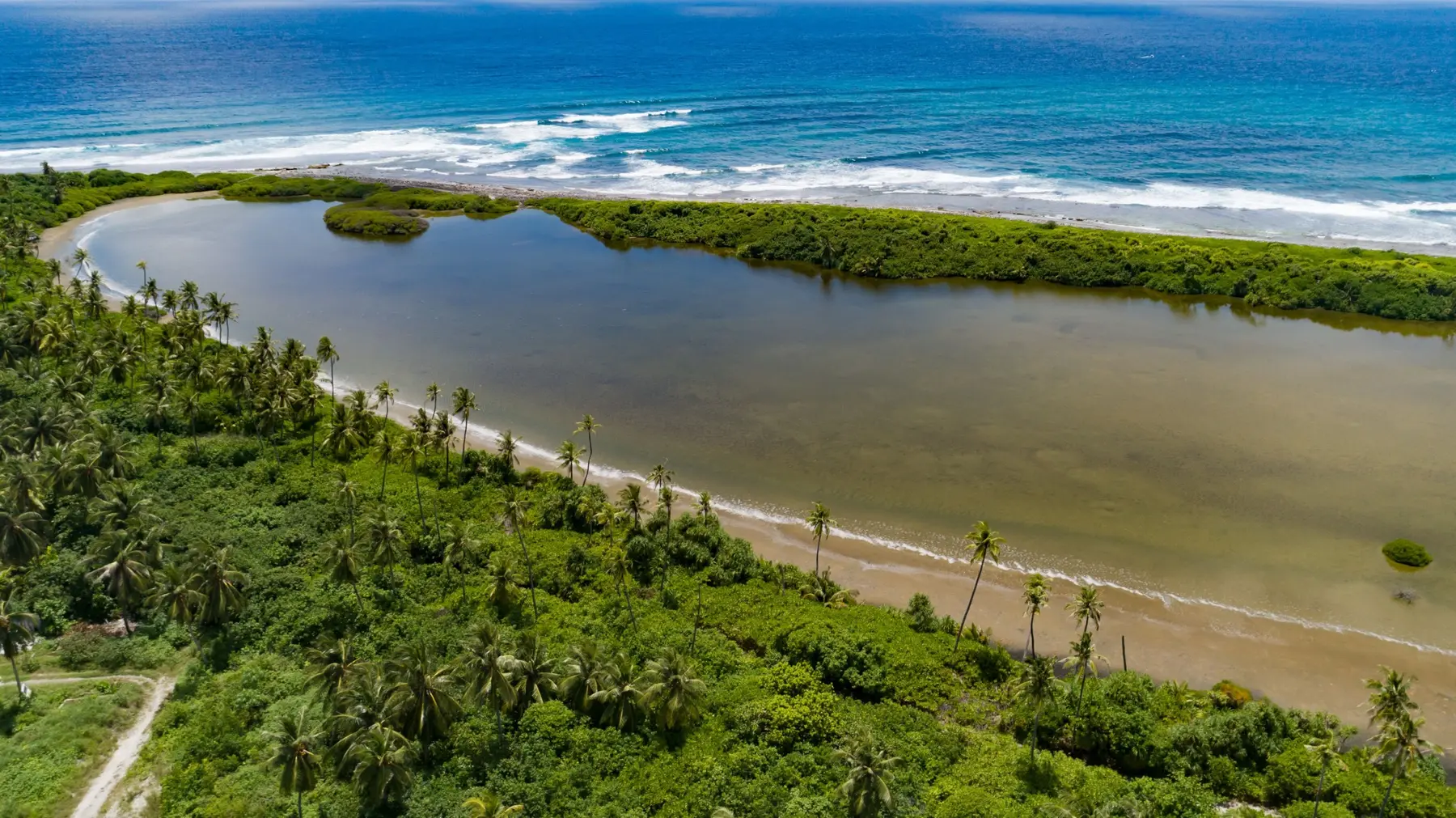
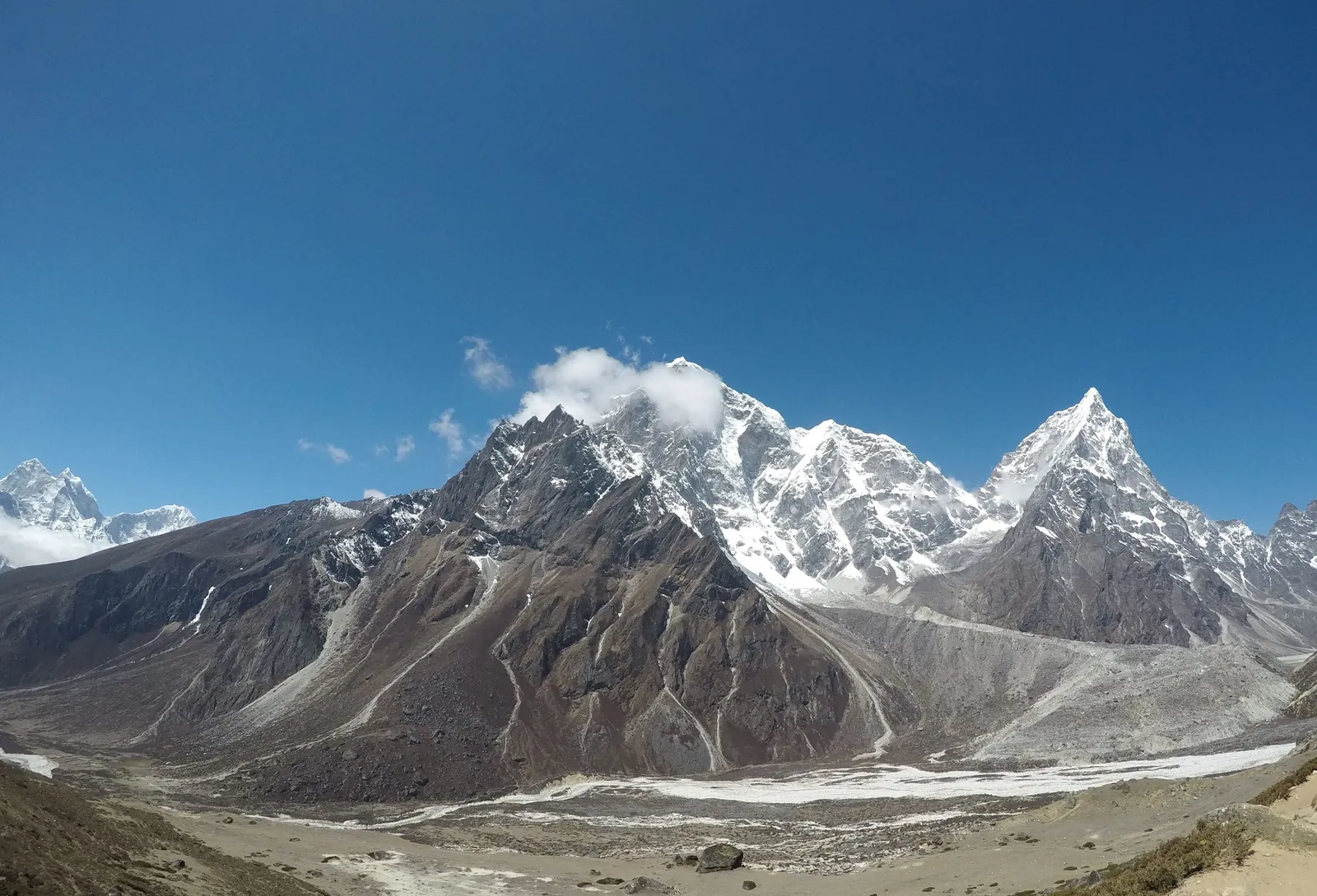
Accreditation creates access to conversations, expertise and institutions. We use that access to listen carefully, build relationships and connect practical priorities with wider environmental and social development work.
Practical priorities can travel further when the people doing the work understand how institutions make decisions.
Accredited observer status with the United Nations Convention to Combat Desertification.
Special accreditation granted for the 2026 United Nations Water Conference.
Special accreditation granted for the Second World Summit for Social Development, Doha 2025.
Conference participation is used to listen, learn and connect practical environmental work with people and institutions working at wider scales.
Education, wildlife care and disaster response often overlap in the same places. Each programme has a clear purpose while still supporting the others where that connection is useful.
Environmental and rights learning supported by field exposure, student working groups and projects that can continue after a single session.
Explore school programs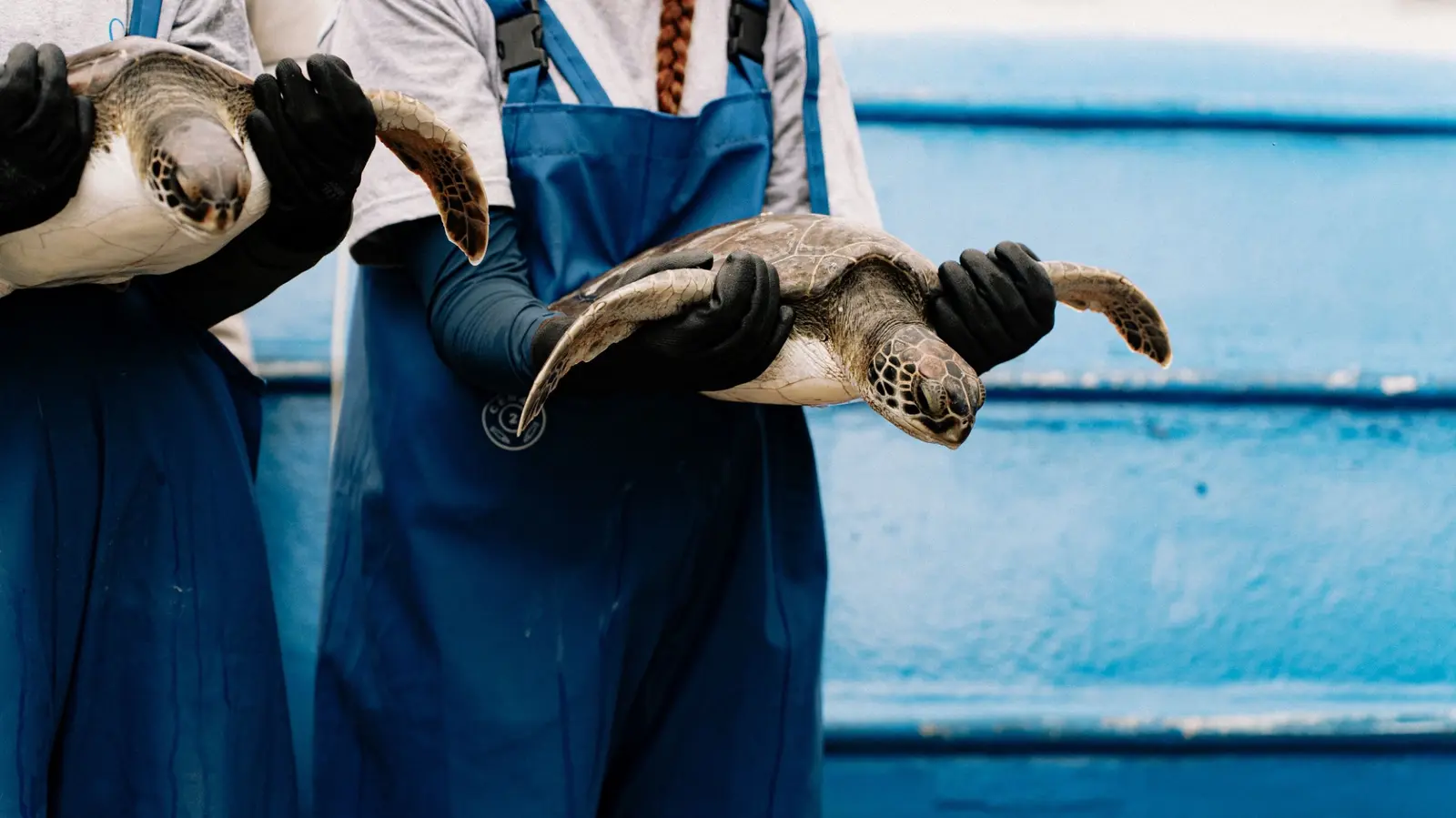
Intake, diagnostics, treatment, suitable housing, rehabilitation, translocation and release all depend on the facilities and people that make each stage possible.
Explore rehabilitationA three stage approach covering immediate relief, reconstruction and rehabilitation, and the longer work of helping communities prepare for future hazards.
Explore disaster response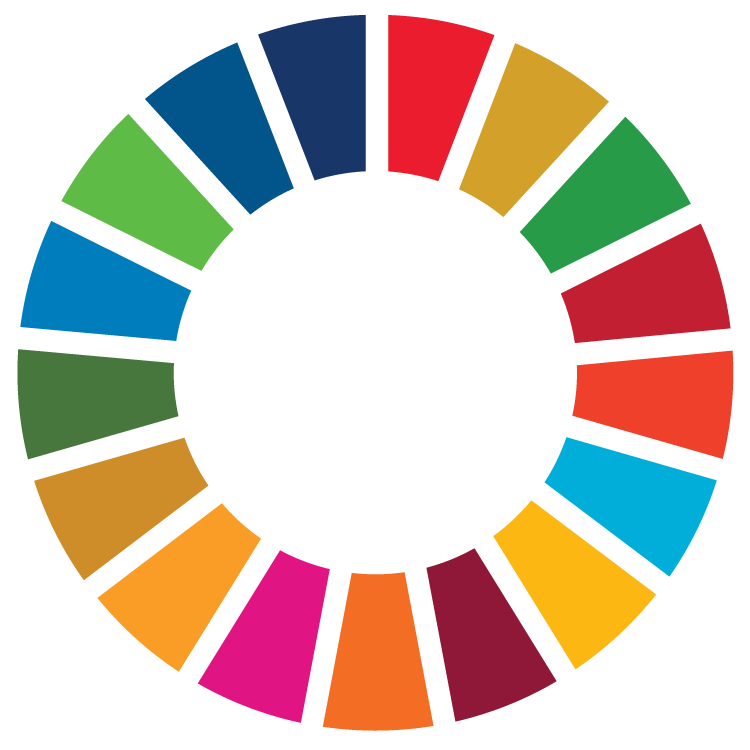
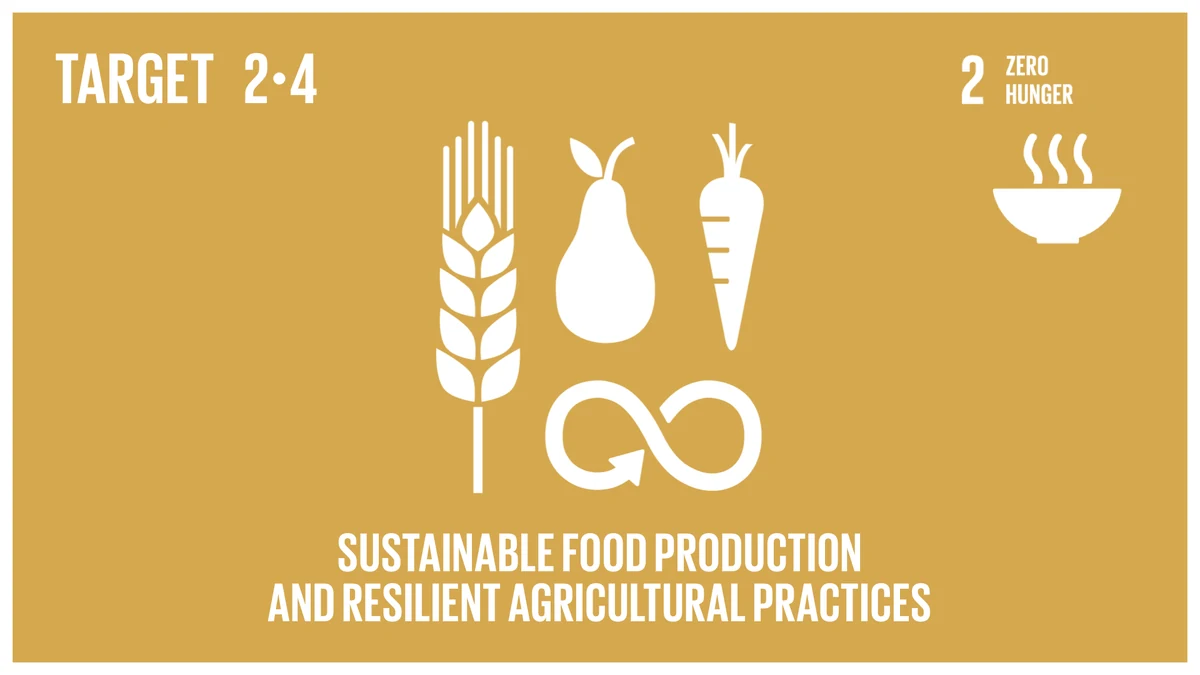
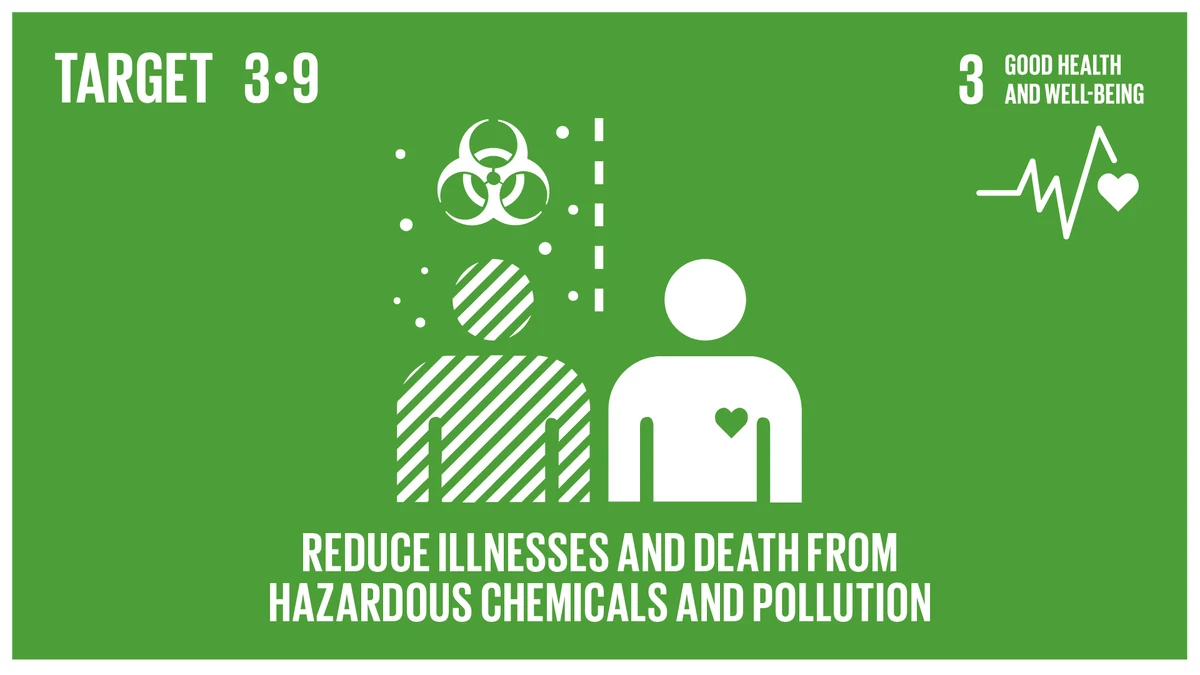
We focus on targets that closely relate to environmental learning, equality, livelihoods, responsible consumption, climate action, oceans, ecosystems and partnerships.
See how the work connects →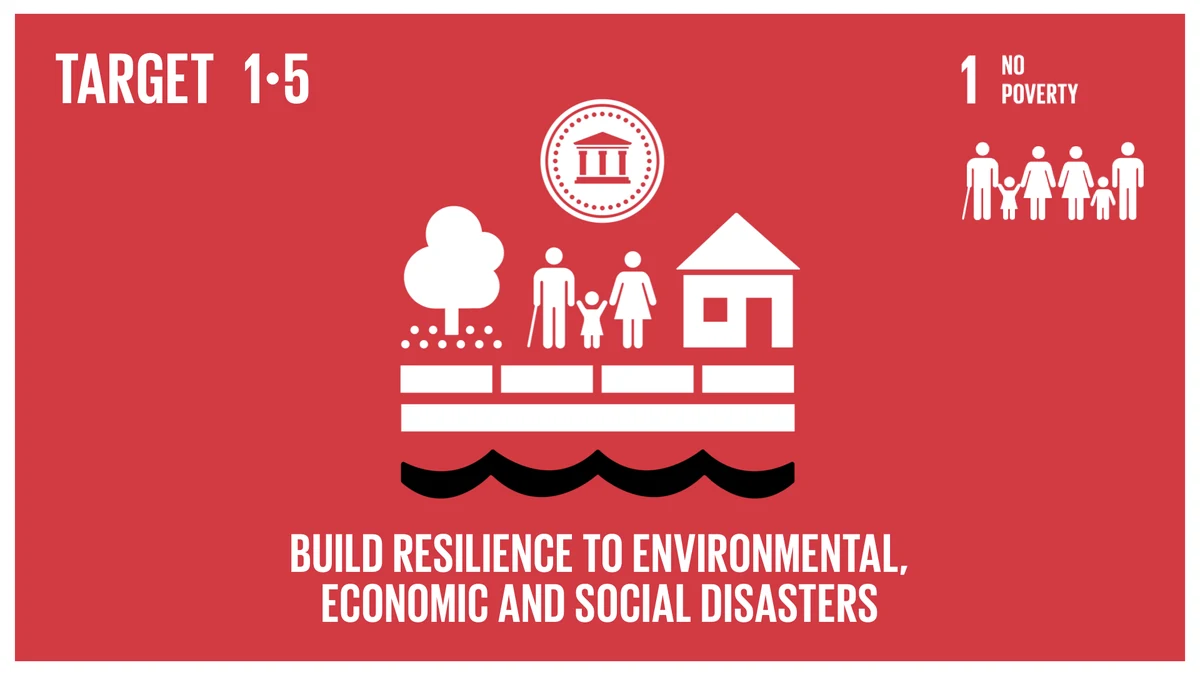
Our expanded guide combines a global wildlife library with deeper Sri Lanka context where the species or ecosystem is relevant to the island.
Schools, conservation organisations, researchers, communities, institutions and potential partners can use the brief to tell us what they are trying to do.